

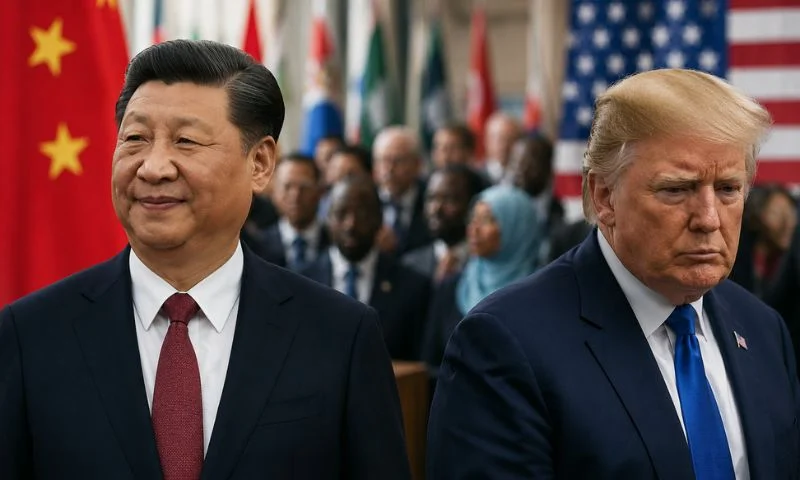
China is viewed more favourably than the United States globally, marking a reversal, a Pew Research Center survey found. China received better ratings than the US in 25 of 36 countries and territories, including Canada and Mexico. Only six countries viewed the US more positively. Pew surveyed 42,151 adults across 35 countries, plus the West Bank and East Jerusalem, from February to May. Margins of error ranged from 2.3 to 5.5 percentage points. China gains as US standing falls During the survey, the US and Israel launched a war against Iran. Pew researcher Laura Silver linked the conflict to worsening perceptions of Washington. “There was just an actual relationship between the outbreak of the war and the sense that the US is just not contributing to peace and stability and that people have less confidence in Donald Trump,” she said. Silver cited Trump’s demands to control Greenland, the US raid that captured Venezuela’s leader Nicolás Maduro and Washington’s handling of the Israeli-Hamas war in Gaza. “The US has done a lot in terms of global engagement in recent months to years that is not being perceived positively internationally,” she said. China benefited as memories of COVID-19 faded. “By comparison, we know that China is seen to be a more reliable partner in many places. It’s more likely to be seen to contribute to global peace and stability,” Silver said. Xi leads Trump in 22 countries People in 22 surveyed places rated Xi Jinping more favourably than Donald Trump. These included Canada, Mexico, France, Germany and the UK, although confidence in both leaders remained low. Pew said China had never held a significant advantage during 20 years of tracking global opinion. Canada recorded a shift. Positive views of the US fell from 57% in 2023 to 33%, while China’s rating rose from 14% to 44%. Trump imposed tariffs on Canadian goods last year and suggested Canada could become “the 51st state.” France, Germany, Spain, Italy, Sweden and the Netherlands shifted towards China. In the UK, the two powers now receive similar ratings. Three years ago, Washington held a 32-point advantage. US and China respond to findings White House spokesperson Olivia Wales said, “President Trump has done more for global stability than anyone else,” citing actions that “obliterated Iran’s nuclear facilities” and “eliminated hundreds of narcoterrorists.” “President Trump is the leader of the free world, and thanks to his bold leadership the United States of America has never been stronger,” Wales said. China’s embassy in Washington said the poll “demonstrates that China’s governance achievements and development progress are widely recognised.” Israel led the six countries favouring the US. About eight in 10 Israelis viewed Washington positively, compared with 19% for China. Japan, India, South Korea, the Philippines and Poland completed the group, although their US ratings have declined. The US still led China on government respect for personal freedoms, but the gap has narrowed. Pew said this was “driven largely by the fact that people in nearly every country surveyed have become less likely to say the US government respects its people’s personal freedoms” since 2021.
US and Iran Agree to End Hostilities? Full 14-Point Text Revealed
A senior US official has disclosed what the official described as the full text of a draft agreement between the United States and Iran. The proposed agreement aims to end hostilities, reopen key maritime routes and launch a new round of nuclear negotiations. The official read the text during a conference call with reporters. According to the official, the document outlines a 14-point Memorandum of Understanding between Washington and Tehran. The draft would serve as the foundation for a broader final agreement. Both sides would aim to complete that agreement within 60 days. The proposal comes after months of military tensions that raised concerns about regional security, energy markets and Iran’s nuclear programme. At its core, the draft calls for an immediate ceasefire. It also outlines steps on sanctions relief, economic cooperation and future nuclear talks. Ceasefire, Hormuz Reopening and Economic Measures Under the proposed agreement, the United States and Iran, along with their allies, would immediately stop military operations. Both sides would also commit not to launch future military action against one another. The draft places significant focus on the Strait of Hormuz. The waterway handles a large share of global oil shipments. The United States would begin removing its naval blockade and related restrictions immediately after signing the MOU. It would complete the process within 30 days. Meanwhile, Iran would facilitate the safe passage of commercial vessels through the Strait of Hormuz and nearby waters. The agreement also calls for discussions with Oman and other Gulf states. Those talks would focus on future administration and maritime services in the strategic waterway. The draft includes a major economic component as well. The United States would work with regional partners on a reconstruction and development plan worth at least $300 billion for Iran. In addition, the agreement outlines a pathway for lifting sanctions. The proposed framework covers US primary and secondary sanctions. It also includes restrictions linked to the United Nations Security Council and the International Atomic Energy Agency. Furthermore, Washington would issue waivers for exports of Iranian crude oil, petroleum products and related services. Nuclear Commitments and Final Agreement Nuclear issues remain central to the proposed framework. Iran reaffirms that it will not seek or develop nuclear weapons. Both sides would negotiate the future handling of enriched nuclear material. The International Atomic Energy Agency would supervise the process. Until a final agreement is reached, Iran would maintain the current status of its nuclear programme. Likewise, the United States would avoid imposing new sanctions. It would also refrain from deploying additional forces in the region. The draft further provides for the release of frozen Iranian assets. In addition, both sides would establish a mechanism to monitor implementation and future compliance. According to the text, negotiations on a final agreement would begin after key provisions enter into force. These provisions include ceasefire measures, maritime access, sanctions waivers and asset releases. Finally, the draft states that a binding United Nations Security Council resolution would endorse the final agreement if both sides reach a deal. Full Text of the 14 Points 1. The United States of America and the Islamic Republic of Iran and their allies in the current war by signing this MOU declare the immediate and permanent termination of military operations on all fronts, including in Lebanon, and undertake from now on not to initiate any war or any military operation against each other, and to refrain [from] the threat or use of force against each other and ensuring the territorial integrity and sovereignty of Lebanon. The final deal will confirm the permanent termination of the war on all fronts, including in Lebanon and other provisions of this paragraph. 2. The United States of America and the Islamic Republic of Iran undertake to respect each other’s sovereignty and territorial integrity, and to refrain from interfering in each other’s internal affairs. 3. The United States of America and the Islamic Republic of Iran commit to negotiating and achieving the final deal in maximum 60 days extendable with mutual consent. 4. Immediately upon the signing of this MOU, the United States of America will begin the removal of its naval blockade and any disturbances or impediments against the Islamic Republic of Iran, and will fully end the naval blockade within 30 days. During this period, the traffic of vessels will be in proportion to the numbers of prewar traffic being restored by the Islamic Republic of Iran. The United States of America further undertakes to remove its forces from the proximity of the Islamic Republic of Iran within 30 days after the final deal. 5. Upon the signing of this MOU, the Islamic Republic of Iran will make arrangements using its best efforts for the safe passage of commercial vessels with no charge for 60 days only from the [Arabian] Gulf to the Sea of Oman, and vice versa. The traffic of commercial vessels will immediately start, and considering the need for removing the technical and military obstacles and demining by the Islamic Republic of Iran, will be instated within 30 days. The Islamic Republic of Iran will conduct dialogue with the Sultanate of Oman to define the future administration and maritime services in the Strait of Hormuz, in discussion with other [Arabian] Gulf littoral states in line with the applicable international law and the sovereign rights of coastal states of the Strait of Hormuz. 6. The United States of America undertakes with regional partners to develop a definitive, mutually agreed plan with at least $300 billion for the reconstruction and economic development of the Islamic Republic of Iran. The mechanism for the implementation of this plan will be finalized as part of a final deal within 60 days. All required licenses, waivers and permissions needed for the relevant financial transactions will be granted by the United States of America. 7. The United States of America undertakes to terminate all types of sanctions against the Islamic Republic of Iran, including the United Nations Security Council resolutions, IAEA Board of Governors resolutions, and
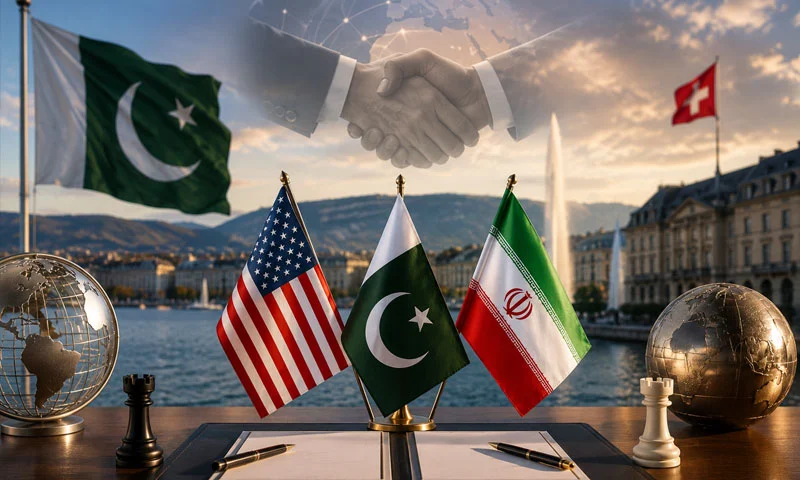
Pakistan to Host Historic US-Iran Peace Deal Signing in Geneva
Prime Minister Shehbaz Sharif announced on Monday that Pakistan will host the signing ceremony of a landmark agreement between the United States and Iran aimed at ending a conflict that has destabilised the Middle East for nearly three months. Addressing the National Assembly, the prime minister said the ceremony would take place in Geneva, Switzerland, on June 19, marking what he described as a major diplomatic achievement for regional peace. “The [signing] ceremony of this historic agreement will be held on Friday, June 19, in Geneva, and by the grace of God, it will be hosted by Pakistan,” Shehbaz told lawmakers. The announcement came hours after he revealed that Washington and Tehran had agreed on a framework designed to end hostilities, reopen critical trade routes and create conditions for broader negotiations. Under the agreement, both sides have agreed to halt military operations and move toward a structured peace process. The framework also includes the lifting of the US blockade on Iran and the reopening of the Strait of Hormuz, one of the world’s most important energy shipping corridors. The conflict began in late February when the United States and Israel launched strikes on Iran. The confrontation quickly expanded across the region and triggered concerns about energy supplies, regional stability and global economic growth. Pakistan’s Mediation Role Gains International Recognition Pakistan played an active role throughout the crisis and emerged as one of the key facilitators of dialogue between Washington and Tehran. Islamabad hosted the first round of direct talks between the two sides in April, bringing negotiators together at a time when diplomatic efforts had largely stalled. The prime minister said Pakistan remained committed to promoting dialogue and peaceful solutions during the conflict. Diplomatic sources have described the upcoming Geneva ceremony as the culmination of months of intensive negotiations involving regional and international stakeholders. Earlier, Shehbaz thanked Qatar, Saudi Arabia and Turkiye for supporting mediation efforts and helping create momentum for an agreement. Qatar’s leadership also welcomed the breakthrough and expressed hope that future negotiations would proceed in a constructive manner. Strait of Hormuz Reopening Seen as Major Economic Relief The agreement carries significant economic implications because it includes plans to restore navigation through the Strait of Hormuz. The strategic waterway handles a substantial share of global oil shipments and has faced severe disruptions during the conflict. Analysts believe reopening the route could help stabilise energy markets and ease concerns about global supply chains. Iranian officials have indicated that broader discussions will continue during an initial ceasefire period. Those talks are expected to address sanctions relief, regional security issues and the future of Iran’s nuclear programme. Although challenges remain, diplomats view the agreement as the most significant step toward regional de-escalation since the conflict erupted earlier this year. For Pakistan, hosting the signing ceremony represents a rare diplomatic milestone and highlights Islamabad’s growing role in regional conflict resolution and international mediation efforts.
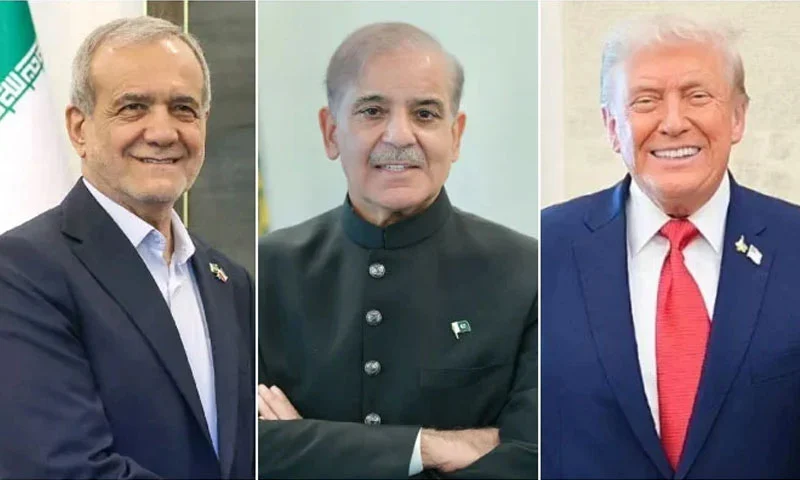
US-Iran Agree to End War, Switzerland Ceremony Set for June 19
Prime Minister Shehbaz Sharif announced on Monday that the United States and Iran had reached a peace agreement following months of diplomatic engagement, marking a major breakthrough in efforts to end a conflict that has destabilised the Middle East and disrupted global energy markets. In a post on X, the prime minister said both sides had agreed to the “immediate and permanent termination of military operations on all fronts, including Lebanon”, with an official signing ceremony scheduled to take place in Switzerland on June 19. Following intensive talks, we are pleased to announce that the Peace Deal between the United States of America and Islamic Republic of Iran has been REACHED. Both sides have declared the immediate and permanent termination of military operations on all fronts, including in…— Shehbaz Sharif (@CMShehbaz) June 14, 2026 The announcement came hours after US President Donald Trump declared that negotiations had concluded successfully. “The Deal with the Islamic Republic of Iran is now complete,” Trump wrote on Truth Social around 5:30pm ET on Sunday. Pakistan played a key mediation role during the negotiations. Shehbaz thanked Qatar for facilitating dialogue and helping create conditions that led to the agreement. The premier also praised Saudi Arabia and Turkiye for what he described as their “immense contributions” to the diplomatic effort. He said mediators would now oversee a series of meetings aimed at preparing for technical discussions and the formal signing ceremony in Switzerland. The agreement follows an Israeli strike on Lebanon on Sunday that drew criticism from both Iran and Trump and threatened to complicate ongoing negotiations. Strait of Hormuz to Reopen as Ceasefire Begins A major element of the agreement involves the reopening of the Strait of Hormuz, one of the world’s most important energy shipping routes. The waterway has faced severe disruptions for months as tensions escalated between Washington and Tehran. Trump said the strait would reopen on Friday following the signing of the agreement and announced that the United States would end its blockade of Iranian ports. “Ships of the World, start your engines. Let the oil flow!” Trump wrote. “The Deal with Islamic Republic of Iran is now complete. Congratulations to all!” President Donald J. Trump 🇺🇸 pic.twitter.com/RdSwyEdEtO— The White House (@WhiteHouse) June 14, 2026 In another post, Trump described the accord as a “great deal” that would bring peace and security to the wider region. He also claimed that previous US administrations had failed to achieve a similar breakthrough and said regional leaders had finally found a US president capable of helping secure lasting peace. According to Iranian Deputy Foreign Minister Kazem Gharibabadi, negotiators will use a 60-day ceasefire period to pursue a broader agreement. Those talks are expected to focus on sanctions relief, regional security issues and the future of Iran’s nuclear programme. Sources familiar with negotiations previously told Reuters that Tehran’s nuclear activities would form a key part of follow-up discussions. Regional Leaders Welcome Agreement Qatari Prime Minister Sheikh Mohammed bin Abdulrahman bin Jassim Al Thani welcomed the agreement and thanked Pakistan and other regional partners for helping facilitate progress. In a statement posted on X, he said Qatar hoped all parties would engage in future negotiations in a “positive and constructive spirit”. We welcome the agreement reached on the Memorandum of Understanding between the United States of America and the Islamic Republic of Iran. We extend our thanks to our brothers in the Islamic Republic of Pakistan, as well as to all regional and international parties that…— محمد بن عبدالرحمن (@MBA_AlThani_) June 14, 2026 He also reaffirmed Doha’s commitment to promoting regional security through dialogue and peaceful diplomacy. British Prime Minister Keir Starmer also welcomed the development. “We are clear that toll-free freedom of navigation must now be restored in the Strait of Hormuz,” Starmer said, while reiterating that “Iran must never have a nuclear weapon.” The conflict began after US and Israeli forces launched attacks on Iran on February 28. Since then, thousands of people have died, mainly in Iran and Lebanon. The fighting triggered major disruptions to regional trade and energy supplies. Iran restricted movement through the Strait of Hormuz, while US forces responded by blocking Iranian ports. Although the agreement represents a significant diplomatic breakthrough, Israel has stated that it is not a party to the proposed deal. Analysts say successful implementation could ease tensions across the Middle East, restore energy flows and reduce pressure on global oil markets after months of uncertainty.
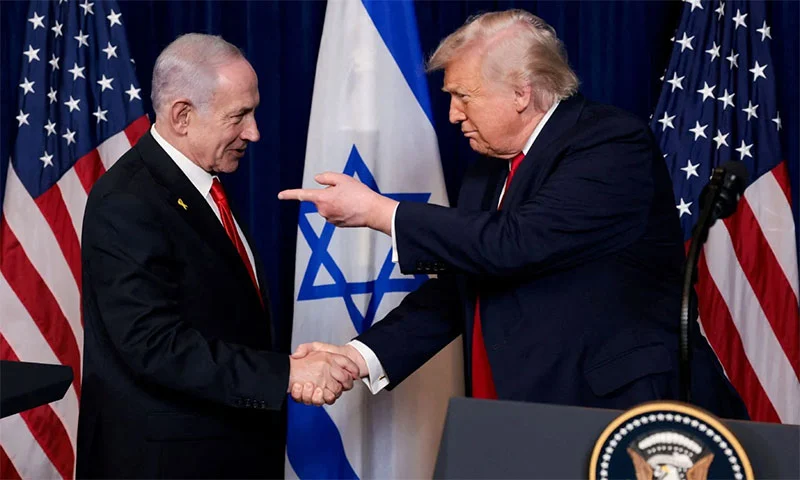
Trump Warns Netanyahu: ‘You Will Be on Your Own Very Soon’
US President Donald Trump has warned Israeli Prime Minister Benjamin Netanyahu that Israel could find itself isolated if it resumes military operations against Iran, as both countries pause attacks following their most serious escalation since an April ceasefire halted weeks of warfare. The warning highlights growing pressure from Washington to prevent a wider regional conflict at a time when diplomatic efforts continue behind the scenes to secure a lasting agreement between Tehran and Washington. Speaking to Axios, Trump revealed details of a recent conversation with Netanyahu and suggested that US patience with renewed military escalation was wearing thin. “I said, ‘Bibi, you better be careful, or you will be on your own very soon’,” Trump said. The remarks came after a sharp exchange of attacks between Israel and Iran over the weekend. The latest flare-up began on Sunday after Israeli strikes hit Lebanon’s capital Beirut. Iran responded with a barrage of missiles targeting northern Israel. Trump publicly called on both sides to stop the violence. Writing on his Truth Social platform, he demanded that both countries stop “shooting” and said that “final negotiations” toward peace would continue, “subject to ignorance or stupidity getting in its way”. According to media reports, Trump also personally contacted Netanyahu on Sunday evening and urged him not to retaliate further. Fresh Escalation Raises Regional Tensions Despite Trump’s intervention, Israeli forces launched strikes early Monday targeting Iranian air defence systems and a petrochemical facility. Iran responded by striking a similar facility in Haifa and targeting two Israeli airbases. Israeli defence systems intercepted many incoming missiles over the occupied West Bank. No deaths were reported from the latest exchange. The escalation complicated Trump’s efforts to preserve the ceasefire announced on April 8 following a conflict that began on February 28. In a televised address, Netanyahu defended Israel’s actions and insisted the country would continue protecting itself. “Israel has a full right to self-defence, and we are exercising it as required,” Netanyahu said. He claimed that Iranian attacks had ceased after Israeli operations and warned that Israel would respond strongly if Tehran resumed hostilities. Meanwhile, Israel’s ambassador to Washington, Yechiel Leiter, sought to minimise reports of friction between Trump and Netanyahu. “Sometimes, lovers have a spat,” Leiter told Fox News. Diplomacy Continues Amid Ongoing Violence Iranian officials blamed Washington for failing to prevent the escalation. “The US is directly responsible,” Iranian Foreign Ministry spokesman Esmaeil Baghaei said. Iran’s First Vice President Mohammad Reza Aref described Tehran’s military response as evidence of “a new level of deterrence from mighty Iran”. At the same time, diplomatic contacts remain active. Iranian President Masoud Pezeshkian said Tehran remains “at the negotiating table”, while Iran’s ambassador to the United Nations, Amir Saeid Iravani, confirmed that Pakistan continues to facilitate communication between Tehran and Washington. Iravani told The Associated Press that both sides are “presenting and exchanging views” and expressed hope that they would reach “a conclusion” soon. Pakistan’s Prime Minister Shehbaz Sharif also urged restraint and said efforts to secure a peaceful settlement continue “earnestly and painstakingly”. The fragile ceasefire faces additional pressure from other regional conflicts. Yemen’s Houthi movement has announced a complete ban on Israeli maritime navigation in the Red Sea, while Israeli strikes in southern Lebanon killed several people on Monday, according to Lebanese health authorities. Analysts say the coming days may determine whether diplomacy prevails or the region slides back toward a broader conflict.
Explained: The Root of the US–Iran Crisis and the Dangers Ahead
Tensions between the United States and the Islamic Republic of Iran have sharply increased in late January 2026, driven by renewed disputes over Iran’s nuclear program, continued internal unrest within Iran, and growing U.S. military pressure aimed at forcing Tehran back to negotiations. The escalation has raised serious concerns across the Middle East and beyond, with global powers closely watching developments due to their political, economic, and security stakes in the region. The Core Issue: Nuclear Program and Strategic Confrontation At the heart of the current standoff lies Iran’s nuclear program and Washington’s long-standing demand that Tehran permanently abandon any pathway toward nuclear weapons. The United States has reiterated that Iran must return to binding negotiations that impose strict and verifiable limits on its nuclear activities. President Donald Trump has publicly called on Iran to accept a new agreement focused on what he describes as a “no nuclear weapons” outcome, warning that failure to comply could result in military action. This nuclear dispute is not isolated. It is part of a broader strategic conflict that includes regional influence, sanctions enforcement, and long-running mistrust between the two countries following years of collapsed agreements and diplomatic disengagement. Human Rights Concerns and Domestic Unrest in Iran Alongside the nuclear issue, U.S. officials have cited Iran’s internal situation as a key concern. Washington has accused Iranian authorities of using excessive force against nationwide protests, with reports indicating large-scale civilian casualties. American leaders have linked these human rights concerns to their broader pressure strategy, arguing that Iran’s domestic conduct reflects its broader regional and international behavior. Tehran, however, rejects these accusations and views them as interference in its internal affairs. Military Build-Up and Pressure Tactics The escalation has been underscored by a visible U.S. military buildup in the Middle East. The United States has deployed a major naval carrier strike group, centered on the USS Abraham Lincoln, along with additional air and naval assets. Washington describes these deployments as defensive and deterrent in nature, intended to prevent regional instability. However, U.S. officials have also acknowledged that the military presence serves as leverage to push Iran toward negotiations. Iran has interpreted these moves as direct threats. In response, Tehran has conducted military exercises near the Strait of Hormuz and warned that any violation of its territorial waters would be met with force. Trump’s Position and Iran’s Rejection of Talks Under Threat President Trump has repeatedly stated that “time is running out” for diplomacy and that Iran must choose between negotiations and the risk of military confrontation. His administration has also expanded economic pressure, including new sanctions targeting Iranian oil shipments and related entities. Iran’s leadership has firmly rejected the idea of negotiating under coercion. Iranian officials have stated that no meaningful talks can occur in an environment dominated by military threats and economic punishment. Iran’s mission to the United Nations has warned that any U.S. attack would trigger a strong and unprecedented response. Potential Regional Consequences of a Military Conflict Analysts and regional officials warn that a U.S. attack on Iran could have far-reaching consequences. Iran maintains influence through allied groups and armed networks across Iraq, Syria, Lebanon, and Yemen. Any direct confrontation could therefore expand beyond Iran’s borders, increasing instability across the Middle East. The mere prospect of conflict has already heightened anxiety among regional governments, many of which fear being drawn into a wider confrontation. Global Oil Markets at Risk Iran remains a significant oil producer, with output estimated at over three million barrels per day. Rising tensions have already affected global energy markets, as traders factor in the risk of supply disruptions. A major concern is the Strait of Hormuz, a critical chokepoint through which a substantial portion of the world’s oil shipments pass. Any disruption to traffic through the strait could have immediate and severe consequences for global energy prices and economic stability. Reactions of Key Global Stakeholders China and Russia, both of which maintain strategic ties with Iran, have historically opposed unilateral military action by the United States. While neither has indicated support for a U.S. strike, both are expected to resist such action diplomatically and call for de-escalation. Pakistan, which seeks balanced relations with both Washington and Tehran, is unlikely to participate in any military action. However, a regional conflict could still affect Pakistan through economic pressures, energy price shocks, and potential refugee movements. Across the broader international community, calls for restraint and renewed diplomacy have grown louder. Several Gulf states have expressed concern that a full-scale conflict would destabilize the region and undermine economic and security interests. Outlook and Risks Ahead With diplomatic channels strained and military posturing intensifying, the current U.S.–Iran standoff represents one of the most serious escalations in recent years. The situation carries significant risks not only for the Middle East but also for global markets and international security. Whether the crisis moves toward renewed negotiations or further confrontation will likely depend on whether both sides find a way to reduce tensions without appearing to concede under pressure—a challenge that has repeatedly undermined past diplomatic efforts.
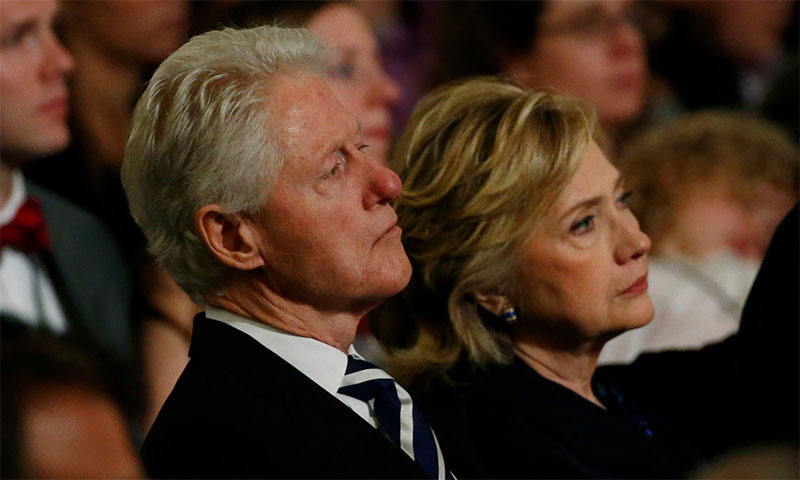
Clintons Face Possible Contempt Charges as Republicans Escalate Epstein Investigation
A key US congressional committee is preparing to vote on whether to move toward contempt of Congress proceedings against Bill Clinton and Hillary Clinton, escalating a highly partisan clash tied to the long-running investigation into disgraced financier Jeffrey Epstein. The Republican-controlled House Oversight Committee is set to consider two resolutions accusing the former president and former secretary of state of defying subpoenas by refusing to appear in person before lawmakers. The panel is probing how US authorities handled earlier investigations into Epstein before his arrest and death in federal custody in 2019. If the resolutions pass, the matter will be sent to the full US House of Representatives, where Republicans also hold a majority. The House would then decide whether to formally cite the Clintons for contempt and refer the case to the Justice Department for possible criminal action. The move highlights how the Epstein scandal continues to reverberate through Washington, ensnaring powerful political figures and fueling bitter partisan confrontations. Lawmakers say they are seeking accountability over the handling of Epstein’s past cases, while Democrats argue the inquiry has been turned into a political weapon. Epstein died in jail while awaiting trial on federal sex-trafficking charges, a death that authorities later ruled a suicide. He had spent years moving among elite social and political circles, forging relationships with influential business leaders, academics, and politicians. The Clintons have pushed back forcefully, arguing the investigation is designed to damage political rivals of President Donald Trump, rather than to pursue legitimate oversight. They note that Trump — who had a long-documented social association with Epstein — has not been summoned to testify. Democrats have also accused the Trump administration of dragging its feet on releasing Epstein-related records, alleging that only a limited portion of legally required files has been made public. Neither the Clintons nor Trump has been charged with any crime related to Epstein. Republicans, however, say the Clintons’ past interactions with Epstein warrant direct questioning under oath. They point in particular to Bill Clinton’s use of Epstein’s private jet during international travel in the early 2000s. The contempt effort gained momentum after Oversight Committee Chairman James Comer rejected a late proposal from Bill Clinton’s legal team to provide testimony under more limited conditions in New York. Comer said the offer would have restricted questioning to a single lawmaker, excluded other committee members, and produced no official transcript — conditions he said violated long-standing congressional procedures. “I have rejected the Clintons’ ridiculous offer,” Comer said, accusing the former first couple of seeking special treatment. Representatives for the Clintons dispute that account, saying they never objected to testifying under oath or on the record. In letters declining to comply with the subpoenas, they argue the requests are invalid because they fail to demonstrate a clear legislative purpose, as required under congressional rules.
Khamenei Blames Iran Unrest on US Influence, Warns of Tougher Crackdown
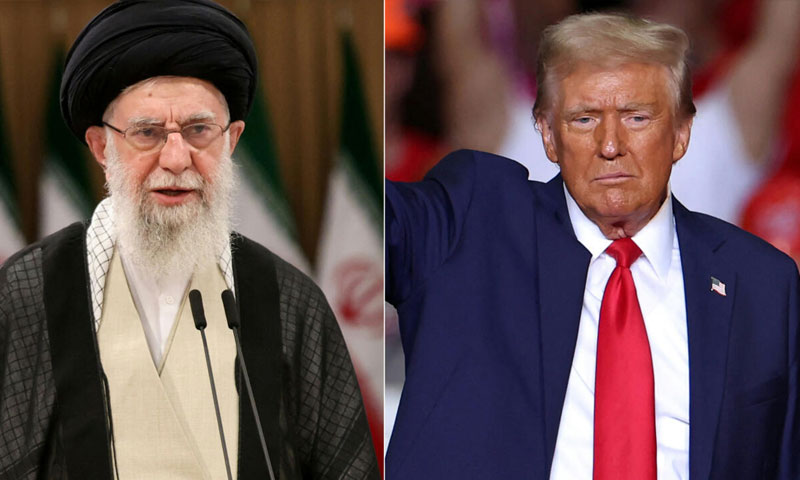
Iran’s Supreme Leader Ayatollah Ali Khamenei on Friday signalled a harder line against ongoing anti-government protests, accusing demonstrators of acting in the interests of foreign powers — particularly the United States — as unrest persisted across several Iranian cities under a sweeping communications blackout. In a short address broadcast on state television, the 86-year-old leader said some protesters were “destroying their own streets to please the president of another country,” a clear reference to Donald Trump. Responding to chants of “Death to America” from the audience, Khamenei warned that the Islamic Republic would not tolerate individuals he described as “mercenaries” working on behalf of external forces. Khamenei also lashed out at Trump directly, urging him to focus on domestic challenges in the United States rather than commenting on Iran’s internal affairs. Iranian officials have repeatedly accused Washington, Israel, and their allies of encouraging instability inside the country. Defiant Rhetoric and Historical Warnings Striking a defiant tone, Khamenei dismissed what he described as threats from Trump, drawing comparisons with historical figures he said were removed from power despite their dominance. He named Pharaoh, Nimrod, Reza Khan, and Mohammad Reza Pahlavi as examples of rulers who, he claimed, fell at the height of their authority — adding that Trump would meet a similar fate. The remarks underscored the leadership’s determination to frame the unrest as a foreign-backed plot rather than a domestic uprising. Protests Continue Despite Blackout The true scale of the demonstrations remains difficult to verify due to extensive internet shutdowns and restrictions on international phone services. However, the unrest is widely seen as the most serious challenge to Iran’s leadership in several years. The protests began on December 28 over rising prices, unemployment, and economic hardship. Since then, they have evolved into broader expressions of political anger, with demonstrators openly challenging the ruling system. Exiled Royal Figure Reappears in Public Discourse The protests have also revived debate over the influence of exiled crown prince Reza Pahlavi, who has urged Iranians to sustain demonstrations. Some rallies reportedly featured chants supporting the former shah — a taboo act in the past that once carried severe punishment — highlighting the depth of public frustration. Scenes of Unrest and Official Response Short video clips shared by activists online showed crowds chanting anti-government slogans around bonfires, with debris scattered across streets in Tehran and other cities. State media later acknowledged the unrest but blamed what it called “terrorist elements” linked to the US and Israel for setting fires and inciting violence, reporting casualties without providing details. Despite official warnings and an increased security presence, protesters were reported to have continued marching into Friday morning, defying authorities as international scrutiny of Iran’s response intensified.
