


Chinese smartphone maker Realme has introduced its latest budget device, the Realme C100 4G, placing a strong emphasis on battery life and durability in a market where performance and affordability remain key drivers of consumer demand. The new device expands the company’s C100 lineup, which already includes a 5G variant launched earlier this month. Unlike its counterpart, the 4G model prioritises endurance over connectivity, featuring a significantly larger battery aimed at heavy users. Bigger battery, practical upgrades The Realme C100 4G comes equipped with an 8,000mAh battery, exceeding the 7,000mAh capacity seen in the 5G version, making it one of the largest batteries in its segment. The device supports 45W wired charging and also includes reverse wired charging, allowing it to function as a power source for other devices. Analysts say this feature could appeal to users in regions with inconsistent power supply or those who rely heavily on mobile connectivity throughout the day. In terms of display, the smartphone features a 6.8-inch IPS LCD panel with HD+ resolution and a 120Hz refresh rate, offering smoother scrolling and improved usability in everyday tasks. Durability has also been a focus. The phone comes with ArmorShell glass protection and an IP69K rating, providing resistance against dust and water exposure, a feature rarely seen in this price category. Performance and positioning Powered by MediaTek’s Helio G92 Max chipset, the Realme C100 4G is designed for basic performance, including social media use, streaming and casual gaming. It is available with up to 8GB RAM and 256GB storage, running on realme UI 7.0 based on Android 16. The camera setup includes a 50MP main sensor and an 8MP front camera, aligning with industry standards for budget smartphones. The device is currently listed with a starting price of around $292, positioning it in the competitive mid-range segment where brands are increasingly focusing on value-driven features. Industry observers note that Realme’s decision to launch a 4G variant with a larger battery reflects a strategic shift. While 5G remains a headline feature, many consumers in emerging markets still prioritise battery life, durability and affordability over next-generation connectivity. Market trends and competition The launch comes amid intense competition in the budget smartphone segment, particularly in Asia and Africa, where brands are racing to offer larger batteries, faster charging and durable designs. Realme has positioned itself as a value-focused brand, targeting younger users and cost-conscious buyers. The company has consistently emphasised performance and battery capacity as key differentiators, especially in markets where access to reliable charging infrastructure can be limited. Experts say the growing demand for high-capacity batteries reflects changing user behaviour, with increased screen time, video streaming and mobile gaming driving the need for longer-lasting devices. As smartphone makers continue to experiment with balancing performance, price and battery life, the Realme C100 4G highlights a broader trend in the industry: sometimes, endurance matters more than speed.

Your Phone Isn’t Ruining Your Sleep! New Research Challenges What We Thought We Knew
The long-held belief that blue light from smartphones is a major cause of poor sleep is being challenged by new research, with scientists saying the impact of screen light may be far smaller than widely assumed. According to recent findings highlighted by BBC Future, studies examining real-world sleep patterns suggest that eliminating blue light exposure alone does not significantly improve sleep quality. Researchers found that while light does influence the body’s internal clock, the intensity of light emitted by smartphones is relatively low compared to natural daylight or even indoor lighting. This has led experts to question whether blue light has been unfairly blamed for sleep problems that may actually stem from broader behavioral factors. Light matters, but not as much as you think Scientists have long known that blue wavelengths can suppress melatonin, the hormone that regulates sleep cycles. However, new research suggests that the effect of phone screens is limited in everyday conditions. “Screen light has low power,” one expert noted, adding that it is unlikely to significantly disrupt sleep on its own. Studies also show that daylight exposure plays a far greater role in regulating circadian rhythms. Outdoor light can be thousands of times brighter than a phone screen, helping the body distinguish between day and night more effectively. Research from Oxford University further supports this view, suggesting that simply reducing blue light is not enough to fix sleep patterns. “Reducing blue light may not be effective, especially if done in isolation,” scientists found. The real culprit: how we use our phones Experts increasingly argue that the problem lies less in the light itself and more in how people use their devices at night. Activities such as scrolling social media, watching videos or reading stimulating content can keep the brain active, delaying sleep. “The brain stays active during late-night scrolling,” researchers observed, pointing to engagement rather than light exposure as the main issue. Other studies have found little evidence that screen use before bed significantly delays sleep, with one analysis noting no strong link between smartphone light exposure and difficulty falling asleep. Instead, factors such as emotional stimulation, stress and irregular sleep routines appear to have a much stronger influence on sleep quality. Rethinking sleep advice The findings are prompting experts to rethink common advice around blue light filters and special glasses, which have become a popular solution for improving sleep. While blue light can affect circadian rhythms in controlled laboratory settings, real-world conditions are more complex. Brightness, duration of exposure and overall sleep habits play a much larger role than previously thought. Health specialists now recommend focusing on broader sleep hygiene practices, including maintaining a consistent sleep schedule, reducing screen time before bed and increasing exposure to natural light during the day. Experts also suggest dimming lights in the evening and avoiding highly stimulating content at night to help the body wind down naturally. As research evolves, scientists say the narrative around blue light is shifting from a simple cause-and-effect explanation to a more nuanced understanding of how modern lifestyles impact sleep. For now, the message is clear: your phone may not be ruining your sleep in the way you think, but how you use it still matters.

“Not just diplomacy, Pakistan’s role added over $3tn to global wealth”
Pakistan’s recent diplomatic intervention in the US-Iran conflict not only helped avert a major geopolitical escalation but also generated an estimated $3 trillion in global wealth, according to prominent economist Atif Mian. The Princeton University professor said the country’s last-minute mediation efforts played a decisive role in shifting the trajectory of the crisis, transforming what had appeared to be an imminent escalation into a ceasefire within hours. In a detailed analysis shared on social media, Mian highlighted how global markets reacted sharply to the breakthrough. “On April 7, the world edged toward [US President] Trump’s ultimatum… By mid-afternoon, Polymarket gave less than a 5% chance for a ceasefire,” he said, describing the tense lead-up to the agreement. How Pakistan made the world over 3 trillion dollars richerOn April 7, the world edged toward Trump's 8pm ultimatum that "a whole civilization will die tonight." By mid-afternoon, Polymarket gave less than a 5% chance for a ceasefire. But then in a flurry of last-minute… pic.twitter.com/fbeOcgDcid— Atif Mian (@AtifRMian) April 10, 2026 Markets rally after diplomatic breakthrough According to Mian, the rapid shift from near-zero probability of peace to a confirmed ceasefire had a measurable economic impact. The S&P 500 index rose by approximately 2.9% following the announcement, with similar gains observed across global financial markets. He explained that global equity markets are valued at roughly $125 trillion, meaning that a 2.9% increase translates into an estimated $3.6 trillion gain in global wealth. “Pakistan helped create TEN times its own GDP for the world!” Mian said, underscoring the scale of the impact. Analysts note that such a rapid market reaction reflects how financial systems respond to geopolitical risk. The ceasefire reduced fears of a prolonged conflict that could have disrupted energy supplies, trade routes and global investor confidence. The agreement came just hours before a deadline that had raised fears of large-scale military action, making the diplomatic breakthrough particularly significant for global markets already on edge. From crisis mediation to global recognition Pakistan’s role in facilitating dialogue between Washington and Tehran has drawn widespread international attention, with both sides acknowledging Islamabad’s efforts in helping secure the ceasefire. The development has also elevated Pakistan’s profile as a diplomatic intermediary at a time of heightened global tensions. Observers say the episode demonstrates how effective diplomacy can yield not only political stability but also tangible economic benefits. Mian, however, emphasized that the financial gains were only part of the story. “For me, the best part is not the trillions of dollars, but seeing Pakistan on the world stage as a peacemaker,” he said, adding that the country should build on this momentum by promoting peace domestically as well. Despite the optimism, experts caution that the ceasefire remains fragile and that sustained engagement will be required to translate the current momentum into a lasting resolution. Ongoing tensions in the region, including disruptions in key shipping routes and broader geopolitical rivalries, continue to pose risks. Still, the immediate market response has highlighted the economic value of de-escalation, with Pakistan’s role emerging as a key factor in stabilizing a volatile situation. As Islamabad hosts further talks between the United States and Iran, the focus will now shift to whether this diplomatic success can evolve into a durable peace framework, reinforcing both regional stability and global economic confidence.

Dogs Watching TV? The Truth Might Surprise You
A surge in television content designed specifically for dogs is gaining popularity worldwide, but new research suggests that while pets may appear glued to screens, their engagement may not be what owners think. Specialised channels and streaming content aimed at dogs have expanded rapidly in recent years, promising to reduce anxiety, boredom and separation stress in pets left alone at home. However, scientists say the evidence on whether dogs truly “watch” television remains mixed. Experts say dogs can see screens more clearly today due to advances in high-definition television, which reduces flickering that older screens produced. This has made it easier for animals to perceive motion and shapes on screen. But that does not necessarily mean they interpret what they see in the same way humans do. Do dogs actually watch TV? Research suggests that dogs are more likely to react to specific stimuli such as movement, sounds or the presence of other animals rather than follow a storyline or visual narrative. Studies based on owner surveys indicate that dogs show the strongest interest in content featuring other dogs or animals, while human-centered programming tends to attract far less attention. “Preliminarily, dogs seem to most prefer television that includes other dogs and animals,” one researcher said, highlighting how instinct rather than entertainment drives engagement. Veterinary experts add that most dogs only engage with screens for short bursts. One specialist noted that dogs typically watch “in very short segments” rather than sustained viewing, suggesting their attention is triggered by specific cues rather than continuous interest. Behavioural responses vary widely. Some dogs bark, whine or approach the screen when they see animals, while others ignore it completely. In some cases, dogs even look behind the television to locate the source of what they perceive as real-world movement. A growing industry with mixed evidence Despite the uncertainty, the market for dog-focused media continues to expand. Pet owners increasingly turn to TV and digital content as a way to keep animals engaged during long hours alone, particularly in urban settings where outdoor activity may be limited. Content creators often design programming with slow-moving visuals, calming sounds and animal-focused scenes to capture canine attention and reduce stress. Some services claim their content can help ease anxiety and improve behaviour, though scientific backing remains limited. Animal behaviourists caution that television should not replace physical activity or human interaction. While some dogs may find visual stimulation engaging, others may become overstimulated or anxious depending on what they see and hear. Experts recommend that pet owners observe their dogs’ reactions carefully and use television as a supplementary tool rather than a primary solution for boredom or anxiety. Understanding canine perception Scientists say dogs process visual information differently from humans. Their vision is more sensitive to motion than detail, which explains why fast-moving images or animal sounds tend to capture their attention more effectively. At the same time, researchers emphasize that dogs may not distinguish between real and virtual stimuli in the same way humans do. This can lead to confusion or heightened alertness, particularly if the content triggers instinctive responses. As the popularity of pet-focused media grows, researchers say more studies are needed to better understand how animals interact with digital environments and whether such content has long-term behavioural or psychological effects. For now, the consensus remains cautious. Dogs may be looking at the screen, but whether they are truly watching is still an open question.
Fuel Prices Down, Freight Slashed! So Why Are Prices Still High?
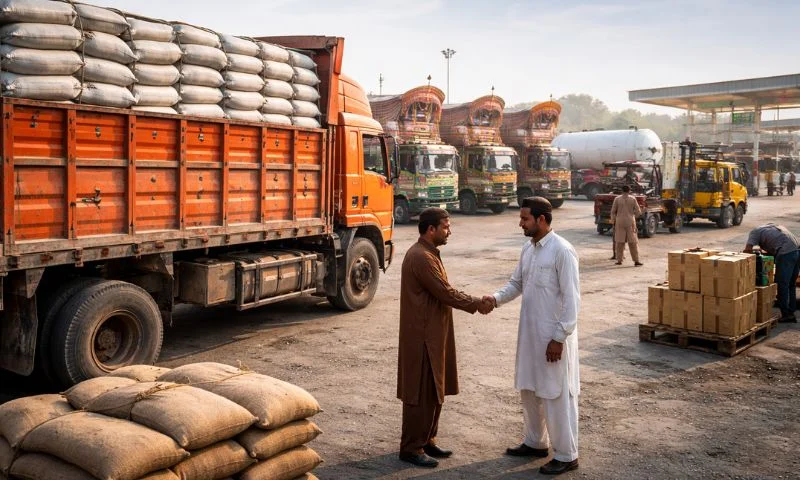
Transporters across Pakistan have announced a sharp 40 percent reduction in freight charges following a significant drop in fuel prices, a move expected to ease inflationary pressures and bring down the cost of essential goods in the coming weeks. The decision was confirmed by the Pakistan Goods Transport Alliance, whose leadership said the reduction would be implemented immediately as a direct response to the government’s recent cut in petroleum prices. Prime Minister Shehbaz Sharif earlier approved a reduction in fuel prices, with petrol lowered by Rs11.83 per litre and diesel seeing a much larger cut of Rs134.81 per litre. Since diesel powers the bulk of trucks and goods carriers across the country, the steep reduction has significantly lowered operating costs for transporters, prompting them to pass on the benefit to businesses and consumers. Immediate impact on transport and markets Industry representatives described the move as a rare instance of cost savings being transferred quickly to the wider economy. Malik Shahzad Awan, president of the alliance, welcomed the government’s decision and expressed hope that further reductions in fuel prices would continue to support the sector. Economists say freight costs are a key component of pricing across supply chains, affecting everything from vegetables and flour to construction materials and manufactured goods. “A substantial fall in freight charges should put downward pressure on prices of daily necessities,” industry observers noted, although they cautioned that the effect may take time to fully materialise in retail markets. Typically, analysts estimate that it takes between two to six weeks for reductions in transport costs to reflect in consumer prices, depending on existing inventory levels and supply contracts. A reversal of recent price surge The development marks a sharp reversal from earlier this month, when transport fares and freight rates surged by up to 40 percent following a spike in fuel prices, contributing to higher costs of food and construction materials nationwide. That earlier increase had intensified inflationary pressures, with businesses passing on higher transport costs directly to consumers. The latest reduction, therefore, is being seen as a much-needed correction, particularly for households already struggling with rising living expenses. Calls for broader policy support Despite the relief, transporters have urged the government to introduce additional measures to sustain lower costs, including reductions in toll taxes and withholding taxes. Industry leaders argue that without broader fiscal relief, the benefits of lower fuel prices may not be fully realised or sustained over time. Economists also point out that while the freight cut is significant, other inflation drivers such as electricity tariffs, exchange rate fluctuations and global commodity prices could offset some of the gains. Still, the move has been welcomed by traders and consumers alike, with expectations that reduced transport costs will help stabilise prices and improve market sentiment. As Pakistan navigates economic uncertainty and fluctuating global energy prices, the transport sector’s response highlights how quickly fuel price changes can ripple through the broader economy, shaping both business costs and household expenses.

Brazil bowler Laura Cardoso shatters T20 world record with stunning nine-wicket haul
Brazil’s Laura Cardoso delivered one of the most extraordinary performances in cricket history, claiming a record-breaking nine-wicket haul in a Women’s T20 International against Lesotho, as her side secured a dominant 189-run victory in Botswana. The 21-year-old fast bowler finished with remarkable figures of 9 for 4 in just three overs, setting a new benchmark for the best bowling figures in both men’s and women’s T20 internationals. The match, played during the Kalahari Women’s T20 International Tournament, saw Brazil post a commanding total of 202 for 8 after opting to bat first. Wicketkeeper Monnike Machado led the scoring with a brisk 69 off 41 deliveries, providing the platform for what would become a historic encounter. Record-breaking spell stuns Lesotho Cardoso’s spell began in dramatic fashion as she claimed a hat-trick in her first over, immediately putting Lesotho under pressure. She continued her dominance by taking five wickets in consecutive deliveries, an unprecedented feat in international cricket. The Brazilian pacer maintained relentless accuracy and pace, dismantling Lesotho’s batting lineup almost single-handedly. She eventually took the first nine wickets of the innings, narrowly missing out on a perfect 10-wicket haul when a teammate claimed the final dismissal. Lesotho were bowled out for just 13 runs in 6.2 overs, marking one of the lowest totals in T20 international cricket and sealing a comprehensive victory for Brazil. Cardoso’s figures surpassed the previous overall T20I record of 8 for 7 held by Bhutan’s Sonam Yeshey, while also eclipsing the women’s record of seven wickets in an innings. The performance has not only elevated Cardoso’s status in world cricket but also highlighted the growing presence of Brazil in the sport. An associate member of the International Cricket Council, Brazil has been steadily developing its women’s program, with players like Cardoso emerging as key figures in its rise. Cardoso, who has already taken 55 wickets in 48 T20 internationals, has now etched her name into the record books with a performance that experts say could stand for years. Analysts note that such performances from emerging cricket nations reflect the expanding global footprint of the game, particularly in women’s cricket, where new teams are making rapid progress on the international stage. For Brazil, the emphatic win and record-breaking display signal growing competitiveness, while for Cardoso, the achievement marks a defining moment in her career and a historic milestone for the sport.

‘Silent Killer’ Liver Disease Rising Among Non-Drinkers, Experts Warn
Doctors are warning of a growing surge in liver cirrhosis cases linked not to alcohol, but to modern lifestyle habits, with experts stressing that early screening and simple lifestyle changes could prevent the disease before it becomes life-threatening. Health specialists say cirrhosis, long associated with heavy drinking, is increasingly being diagnosed in people who consume little or no alcohol. Instead, poor diet, obesity, sedentary routines and uncontrolled diabetes are now emerging as key drivers behind the condition. The disease often develops silently, with early symptoms such as fatigue, mild abdominal discomfort and loss of appetite frequently overlooked, allowing damage to progress unnoticed. Lifestyle shift driving hidden epidemic Experts link the rise in cases to non-alcoholic fatty liver disease, a condition where fat accumulates in the liver due to metabolic factors rather than alcohol use. This condition can gradually advance to cirrhosis if left untreated. Research indicates that lifestyle-related liver disease is becoming widespread, with a significant portion of cases now attributed to diet and inactivity rather than alcohol. Doctors say everyday habits are at the center of the problem. Long hours of sitting, processed food consumption and rising rates of obesity are contributing to liver damage, even among younger populations. “Today we are diagnosing… fatty liver in people in their 30s,” said one clinician, pointing to delayed diagnosis as a major concern. Globally, cirrhosis remains a major cause of death, accounting for more than a million fatalities annually, often due to late detection and lack of preventive care. Early screening and prevention Medical experts emphasize that cirrhosis is largely preventable if detected early. Routine blood tests and imaging can identify liver damage at an early stage, when the condition is still reversible. Studies suggest that lifestyle interventions such as improved diet and regular exercise can significantly reduce liver fat and even reverse early-stage damage. Health professionals recommend practical steps including maintaining a healthy weight, controlling blood sugar levels, reducing processed food intake and staying physically active. Early detection is particularly important because the liver has a strong ability to heal itself if damage is caught in time. However, once cirrhosis reaches advanced stages, treatment becomes more complex and options are limited. A growing health priority The rise in lifestyle-related liver disease is prompting calls for greater awareness and preventive healthcare strategies, especially in developing countries where screening rates remain low. Experts say the shift in disease patterns should serve as a warning that liver health needs to be taken seriously, even among individuals who do not drink alcohol. With cases rising silently, doctors are urging people to adopt healthier lifestyles and undergo regular checkups, warning that ignoring early signs could have severe long-term consequences.
$5 Billion Relief Incoming? Saudi Move Sparks Big Hopes in Pakistan
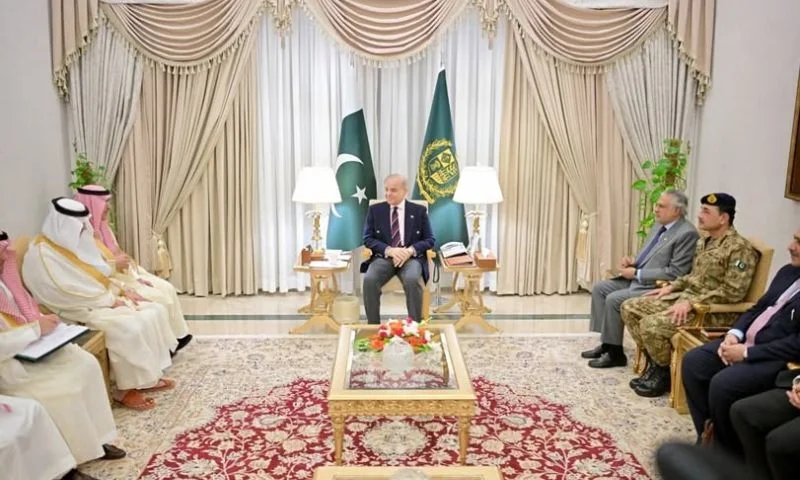
Saudi Arabia has assured Pakistan of full financial support as Islamabad grapples with mounting external pressures linked to regional tensions and upcoming debt repayments, reinforcing a longstanding economic partnership between the two countries. The assurance was conveyed during a meeting between Prime Minister Shehbaz Sharif and Saudi Finance Minister Mohammed bin Abdullah Al-Jadaan in Islamabad, where both sides discussed Pakistan’s economic challenges and the broader regional situation. Officials said the Saudi minister reaffirmed Riyadh’s commitment to supporting Pakistan financially, while also expressing confidence in Islamabad’s diplomatic role in mediating ongoing tensions in the Middle East. Economic pressures and funding needs The development comes at a critical juncture for Pakistan’s economy, which faces nearly $5 billion in external debt repayments this month, including a significant portion owed to the United Arab Emirates. Government officials warned that without fresh inflows, Pakistan’s foreign exchange reserves could fall to around $11.5 billion, increasing pressure on the country’s balance of payments. Islamabad has already requested Saudi Arabia for a financial package that includes at least $5 billion in loans and an extension of its oil financing facility, which currently provides around $1.2 billion annually and is set to expire this month. Pakistan is also seeking to expand its existing $5 billion Saudi cash deposit, which has been instrumental in stabilising reserves in recent years. Officials said Finance Minister Muhammad Aurangzeb had raised these proposals with his Saudi counterpart ahead of the visit, underscoring the urgency of Pakistan’s financial needs. Strategic ties and regional context The renewed Saudi support comes amid heightened geopolitical tensions in the Middle East, which have contributed to rising global energy prices and increased import costs for countries like Pakistan. During the meeting, Prime Minister Shehbaz Sharif expressed appreciation for Saudi Arabia’s “longstanding economic and financial support,” noting that it has played a vital role in maintaining Pakistan’s economic stability over the years. He also reiterated Pakistan’s commitment to strengthening cooperation with Riyadh in trade, investment and economic development, describing the relationship as a “deep-rooted fraternal bond.” Saudi Arabia, for its part, reaffirmed its intention to deepen bilateral ties, aligning with the broader vision of Crown Prince Mohammed bin Salman to expand economic partnerships across the region. Analysts say the latest assurance reflects Riyadh’s continued strategic interest in Pakistan, both as a key regional partner and as a country playing an increasingly active diplomatic role in efforts to de-escalate tensions between major global actors. Outlook and implications While no specific financial package was finalised during the meeting, the commitment from Saudi Arabia is expected to provide a confidence boost to markets and policymakers as Pakistan navigates a challenging economic period. Experts note that sustained financial support from allies such as Saudi Arabia and the UAE remains crucial for Pakistan to maintain macroeconomic stability, meet external obligations and avoid further strain on its currency and reserves. As Islamabad continues negotiations with international partners and prepares for upcoming engagements with global financial institutions, the outcome of these efforts will play a key role in shaping the country’s economic trajectory in the months ahead.
Pakistan Finance Minister Aurangzeb Heads to IMF Meetings as Pakistan Eyes Economic Stability
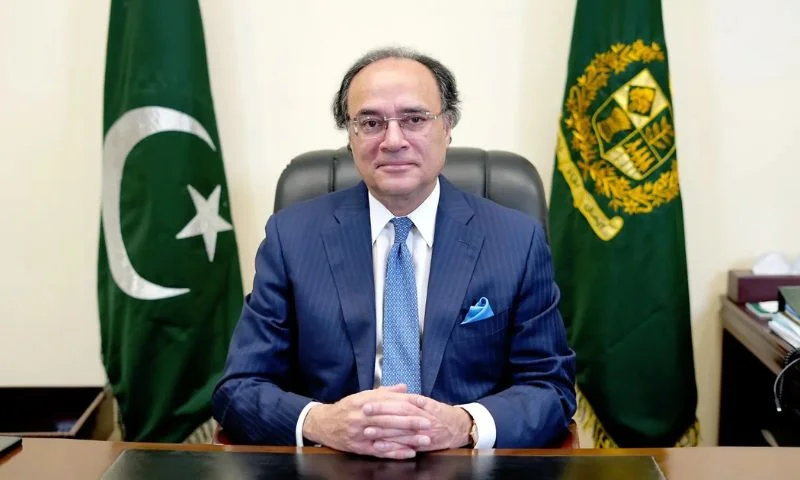
Pakistan’s Finance Minister Muhammad Aurangzeb has departed for the United States to attend the International Monetary Fund and World Bank Spring Meetings, as Islamabad seeks to consolidate economic stability and secure support at a time of global uncertainty. The meetings, scheduled to take place in Washington from April 13 to April 18, will bring together finance ministers, central bank governors and development partners from across the world to discuss pressing economic challenges, including inflation, debt sustainability and the impact of geopolitical tensions. Aurangzeb is expected to lead Pakistan’s delegation in a series of high-level engagements with senior officials of the IMF, World Bank and other international financial institutions, where he will present the country’s reform agenda and economic outlook. Read More: IMF Demands Fuel Reforms: What It Means for Millions of Pakistanis Key meetings and economic agenda During his visit, the finance minister is scheduled to hold discussions with top World Bank leadership, including Managing Director for Operations Anna Bjerde, as well as officials from the International Finance Corporation and the Multilateral Investment Guarantee Agency. Officials said the talks will focus on strengthening development cooperation, attracting foreign investment and securing financial support for Pakistan’s ongoing reform programme. Aurangzeb is also expected to meet representatives of global financial institutions, investors and policymakers to highlight Pakistan’s improving macroeconomic indicators and long-term growth strategy. In addition to official meetings, the minister will participate in policy dialogues and events, including engagements with academics and members of the Pakistani diaspora, aimed at promoting investment opportunities and strengthening international partnerships. Read More: Pakistan Secures $1.2 Billion IMF Boost After Key Agreement Economic pressures and reform push The visit comes at a critical time for Pakistan’s economy, which is navigating external pressures linked to global energy price volatility and regional tensions. Analysts say the meetings will provide Islamabad with an opportunity to seek policy flexibility and financial cushions to manage external shocks. Pakistan is currently implementing reforms under an IMF-supported programme aimed at stabilising the economy, controlling inflation and rebuilding foreign exchange reserves. Previous agreements with the IMF have helped restore market confidence and improve fiscal discipline, though challenges remain in sustaining growth and managing debt. Government officials have indicated that discussions in Washington will also cover future budget priorities, including tax reforms, energy pricing and targeted support for vulnerable segments of society. The Spring Meetings come at a time when global institutions are increasingly focused on the economic fallout of geopolitical conflicts, which have disrupted energy markets and intensified inflationary pressures, particularly for developing economies like Pakistan. Aurangzeb’s engagements are expected to focus on balancing short-term economic stabilisation with long-term structural reforms, including boosting exports, improving governance and attracting foreign investment. As Pakistan seeks to maintain economic recovery momentum, the outcome of these meetings will be closely watched by investors and policymakers, with expectations that they could shape the country’s fiscal direction in the months ahead.
