

Pakistan’s media regulator has issued a show-cause notice to Geo News for airing Indian content while reporting on the death of legendary singer Asha Bhosle, raising questions about compliance with broadcast regulations amid heightened sensitivities. The Pakistan Electronic Media Regulatory Authority (Pemra) took notice of the channel’s coverage, stating that it had broadcast Indian songs and visuals from Indian films during its reporting on Bhosle’s death. The move comes at a time when cross-border content remains a sensitive issue in Pakistan’s media landscape. Asha Bhosle, one of the most iconic voices in South Asian music, passed away on April 12 at the age of 92 in Mumbai after a career spanning decades, prompting widespread tributes across the region. Regulator questions editorial decisions According to the notice, Pemra has asked the broadcaster to explain why regulatory action should not be taken for airing content that falls under restrictions on Indian media material. The authority cited existing rules that limit the broadcast of foreign content, particularly from India, without proper clearance. Officials indicated that the content aired during the segment went beyond standard news reporting and included entertainment material, which may have violated the regulatory framework governing electronic media. The notice requires Geo News to respond within a specified timeframe, outlining its position and justification for the broadcast.
“Halwa Is My Guilty Pleasure”: US Journalist Left Surprised by Pakistan’s Hospitality and Food
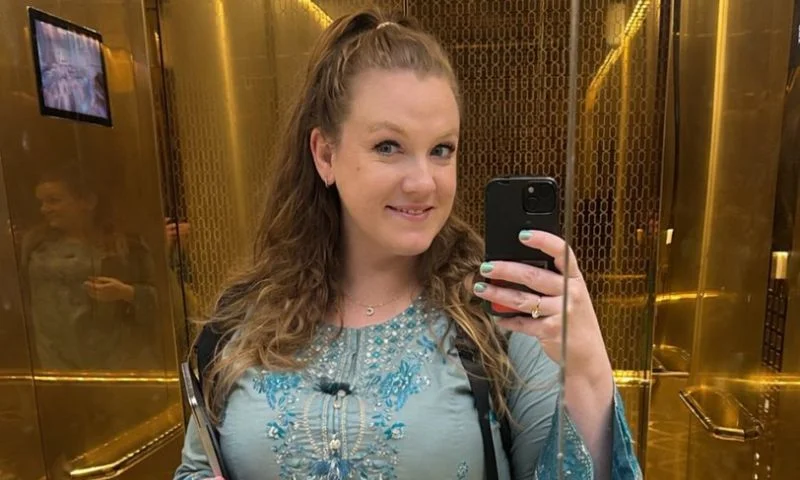
An American journalist visiting Islamabad has praised Pakistan’s hospitality and rich culinary traditions, describing her experience as both welcoming and culturally eye-opening, according to recent reports. Caitlin Doornbos, a Washington-based correspondent, shared her impressions after spending time in the capital, where she interacted with locals and sampled traditional Pakistani dishes. She highlighted the warmth of the people and the diversity of food as standout aspects of her visit. During her stay, Doornbos said Pakistani breakfast quickly became one of her favourite experiences. She specifically mentioned local staples and traditional sweets, noting that “halwa” had become her “new guilty pleasure,” reflecting the impact of the country’s food culture on foreign visitors. My new guilty pleasure. pic.twitter.com/1c77wITcgA — Caitlin Doornbos (@CaitlinDoornbos) April 13, 2026 A cultural experience through food Her visit coincided with heightened international attention on Islamabad due to ongoing diplomatic engagements, bringing foreign journalists and officials into closer contact with Pakistani society. Finally got out of the hotel sphere to have some local food! pic.twitter.com/IQTztyBsOD — Caitlin Doornbos (@CaitlinDoornbos) April 12, 2026 Observers say such interactions often serve as informal cultural exchanges, where food and hospitality play a central role. In Pakistan, offering meals to guests is widely regarded as a key expression of respect and generosity, a tradition deeply rooted in social norms. Experts note that Pakistani cuisine itself is shaped by diverse regional influences, blending elements from South Asia, Central Asia and the Middle East. Dishes such as halwa, pulao and traditional breakfasts are commonly used to introduce visitors to local culture and everyday life. Positive impressions amid global spotlight Doornbos’ remarks come at a time when Pakistan is seeking to project a more positive international image, particularly through tourism, cultural diplomacy and media engagement. Her experience adds to a growing number of accounts from foreign visitors who have highlighted Pakistan’s hospitality as a defining feature of their stay. Travel experts say such endorsements can play a role in reshaping global perceptions, especially in a country that has long faced security-related stereotypes. Good morning from beautiful Islamabad, where the Pakistani people are buzzing with excitement at the possibility of playing a major role in bringing peace to the Middle East. No news yet on when talks will begin, but the coming hours will be crucial. pic.twitter.com/eLdaR86vxi — Caitlin Doornbos (@CaitlinDoornbos) April 11, 2026 While the journalist’s comments focused primarily on personal experiences, they have resonated widely on social media, where users praised her candid appreciation of Pakistani culture. Growing interest in Pakistani cuisine Globally, Pakistani food has been gaining attention, with chefs and writers increasingly documenting its diversity and distinct identity. From street food to home-style cooking, the cuisine reflects the country’s regional variations and historical influences. Food remains one of the most accessible entry points for visitors, offering insight into traditions, values and everyday life. In cities like Islamabad, Lahore and Karachi, restaurants and home kitchens alike present a wide range of flavours that leave lasting impressions on international guests. For many observers, the journalist’s remarks highlight how cultural experiences, particularly those centered around food and hospitality, can shape narratives beyond headlines and politics. As Pakistan continues to host international visitors, such personal accounts may contribute to a broader rebranding effort, showcasing the country through the lens of warmth, diversity and shared human experiences.
PSO names former Shell executive Jawwad Cheema as CEO
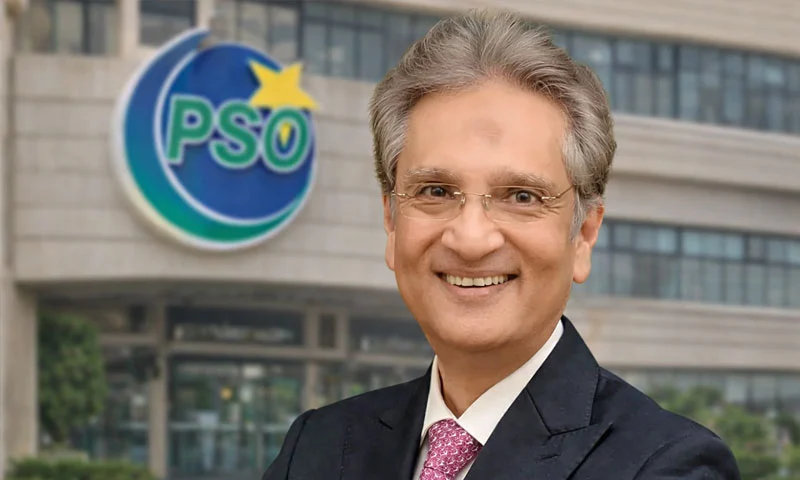
Pakistan State Oil (PSO) has appointed seasoned energy executive Jawwad Ahmed Cheema as its new Chief Executive Officer, bringing in decades of global industry experience as the company looks to strengthen operations and navigate a challenging energy landscape. The appointment, approved by PSO’s Board of Management, will take effect from May 18, 2026, for a three-year term. Cheema will replace interim CEO Abdus Sami, who had been leading the company during a transitional phase. Read More: PSO Appoints Abdus Sami as Interim CEO After Leadership Move to K-Electric Leadership change signals strategic direction PSO, Pakistan’s largest oil marketing company, plays a central role in supplying fuel across the country, catering to retail, industrial, aviation and energy sectors. The appointment of a globally experienced executive reflects the company’s intent to enhance efficiency, strengthen supply chains and respond to evolving energy demands. Cheema brings more than 28 years of experience in the downstream energy sector, with extensive exposure to fuel retail, lubricants, storage infrastructure, logistics and international portfolio management. A significant portion of his career was spent at Royal Dutch Shell, where he served for 26 years in various senior roles across Pakistan, Indonesia, Singapore, the Netherlands and the United Kingdom. He previously held the position of Managing Director and CEO of Shell Pakistan, where he oversaw key strategic and operational changes during a period of transformation in the country’s energy market. Read More: Chinese Firm Announces $120m Investment in Pakistan’s Tyre Industry Experience across global energy markets During his international career, Cheema also served in senior leadership roles including Vice President of Strategy and Portfolio at Shell International and Vice President of Business Operations in Singapore, where he managed global strategy and transformation initiatives. Most recently, he served as Chief Executive Officer of Karachi Hydrocarbon Terminal, a key facility handling petroleum imports and distribution at Port Qasim. Industry observers say his experience across multiple markets and segments of the energy value chain positions him to lead PSO at a time when the sector faces both structural and operational challenges. Pakistan’s energy sector continues to deal with issues such as fluctuating global oil prices, supply constraints and the need for improved infrastructure and efficiency. Companies like PSO are also under pressure to modernize operations and expand into alternative energy solutions. Read More: No Impact Yet: Pakistan’s Remittances Hold Firm Amid Middle East War Cheema’s appointment comes as PSO seeks to consolidate its market position and improve performance amid shifting regional and global dynamics. His leadership is expected to focus on operational discipline, strategic growth and strengthening the company’s role in Pakistan’s energy security. As the new CEO prepares to take charge, the focus will remain on how PSO leverages his global experience to address domestic challenges and align with broader changes in the global energy industry.

WhatsApp’s New Feature Lets You See Status Updates from Unknown Numbers
WhatsApp has quietly introduced a new feature that allows users to receive status updates from phone numbers that are not saved in their contacts, marking a subtle but notable shift in how the platform handles visibility and interaction. According to recent updates, users may now see status updates from unknown numbers if they have recently interacted with them through calls or messages. The change applies specifically to contacts involved in recent activity, meaning the feature does not open status visibility to all unknown users, but rather those with whom there has been prior communication. How the feature works When a user receives a status update from an unsaved number, WhatsApp displays a tilde symbol before the contact name, along with the phone number, to indicate that the update is coming from a recent interaction rather than a saved contact. An introductory prompt may also appear, explaining why such updates are visible and how the feature functions. Importantly, WhatsApp has emphasised that the update does not alter existing privacy settings. Users still retain full control over who can view their status updates, and visibility continues to depend on personal privacy preferences configured within the app. The feature works both ways. If a user can see someone’s status despite not saving their number, it means the other person has their number saved and has allowed status visibility accordingly. Read More: New Parental Controls Could Change How Kids Use WhatsApp Privacy and user control remain central WhatsApp has long positioned itself as a privacy-focused messaging platform, offering end-to-end encryption for messages, calls, and shared media. The introduction of this feature reflects an attempt to balance usability and privacy by enabling more dynamic interactions without fully exposing user information to unknown parties. Industry observers say the update could improve engagement, particularly in cases where users communicate with businesses, delivery services, or temporary contacts who are not permanently saved in their address books. At the same time, the feature may raise concerns among some users about unexpected visibility, even if privacy controls remain unchanged. Part of a broader evolution The rollout comes amid a wave of updates aimed at modernising WhatsApp’s user experience. In recent months, the Meta-owned platform has been expanding features across messaging, status updates, and group interactions, while also introducing artificial intelligence tools to enhance communication. WhatsApp, which has more than three billion users globally, continues to evolve to keep pace with competing platforms such as Telegram and Signal, as well as social media rivals that increasingly blend messaging with content sharing. Experts note that even small interface changes can have a significant impact at scale, particularly on a platform used daily for both personal and professional communication. Read More: Talk to Anyone, Anywhere: WhatsApp Set to Revolutionise Messaging with Translation Feature What it means for users While the update is relatively minor in appearance, it signals a broader shift toward more fluid connections between users, even beyond traditional contact lists. For users, the key takeaway remains control. Privacy settings still determine who can see their updates, and the feature does not override those preferences. However, the ability to see updates from unsaved numbers may change how users perceive interactions on the platform, especially in regions where WhatsApp is the primary mode of communication. Read More: Meta and PTA Introduce New Anti-Hacking Tool for WhatsApp Accounts

YouTube’s New AI Feature Lets You Clone Yourself in Videos
YouTube is rolling out a new artificial intelligence feature that allows creators to generate digital versions of themselves for use in short-form videos, marking a significant expansion of AI-driven content tools on the platform. The feature, announced as part of YouTube’s evolving Shorts ecosystem, enables users to create an AI avatar that closely resembles their appearance and voice. These avatars can then be used to generate or appear in videos without requiring the creator to be physically present. How the AI avatar works To create an avatar, users must record a short “live selfie” video along with voice samples, following specific prompts to capture facial expressions and speech patterns. The system then builds a digital version that can be inserted into videos or used to generate entirely new clips. The generated videos are currently limited in length, with AI-created clips lasting up to a few seconds, though multiple clips can be combined into longer content. YouTube said the avatars are designed to “look and sound like you,” offering creators a new way to produce content more efficiently while maintaining a personal touch. Read More: Two-Week Digital Detox Shows Major Brain and Mood Benefits Safeguards and restrictions The company has introduced several restrictions to prevent misuse of the technology. Avatars can only be used by the creator who generated them and cannot be freely shared or used by others. All videos created using AI avatars will be clearly labelled and watermarked to indicate synthetic content, using systems such as SynthID and C2PA. YouTube also allows users to delete their avatars at any time, and any avatar that remains unused for an extended period will be automatically removed. The feature is being rolled out gradually and will initially be available to users over the age of 18 with active YouTube channels. Read More: No More Hustle: The Rise of the Reset Weekend Explained Part of a broader AI push The launch reflects YouTube’s broader strategy to integrate artificial intelligence into content creation, particularly within Shorts, which has grown rapidly since its global rollout in 2021. Short-form videos now attract billions of daily views and are a central battleground in the competition with platforms such as TikTok and Instagram Reels. In recent months, YouTube has introduced a range of AI-powered tools, including video transformation features and generative editing capabilities, aimed at simplifying content production and boosting engagement. Company executives have emphasised that AI is intended to support creators rather than replace them, even as concerns grow over deepfakes, misinformation, and the rise of low-quality automated content. Opportunities and concerns While the new avatar feature could lower barriers to content creation and allow creators to scale production, it also raises questions about authenticity and trust in online media. Experts warn that as AI-generated content becomes more realistic, distinguishing between real and synthetic videos may become increasingly difficult, even with labelling mechanisms in place. At the same time, YouTube’s controlled rollout and built-in safeguards suggest an attempt to balance innovation with responsibility, particularly in an environment where generative AI tools are rapidly evolving. The feature is expected to expand in the coming months, potentially reshaping how creators produce and interact with audiences in the short-form video space.
“Green Fashion” Under Fire as Labour Abuses Surface in Pakistan
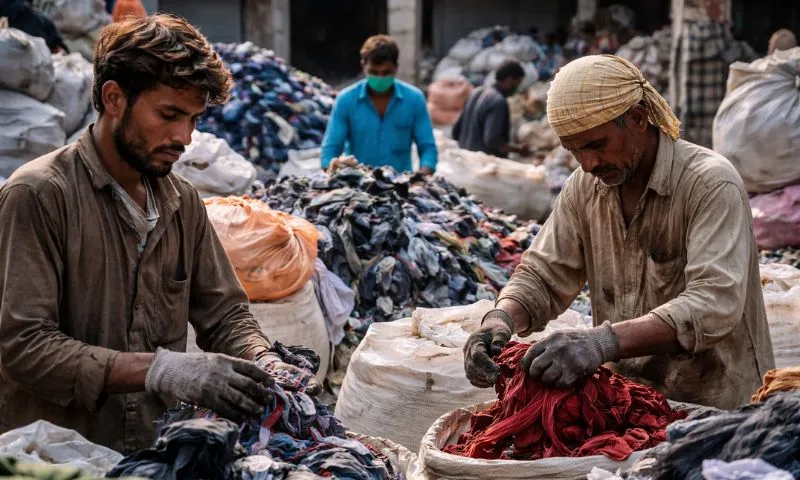
A new investigation has revealed that several fashion brands operating in Lahore are failing to address serious labour rights violations within Pakistan’s textile recycling sector, exposing a troubling gap between sustainability claims and ground realities. The findings, based on research conducted by the Labour Education Foundation in collaboration with European rights group Arisa, show that while brands increasingly promote recycled textiles as environmentally responsible, they have limited oversight of the workers handling textile waste in their supply chains. The report examined around 20 major fashion brands and found that most lacked visibility into wages, working conditions, and labour protections in recycling operations tied to their production networks. Harsh conditions behind “green fashion” Field research conducted in Pakistan’s key recycling hubs, including Faisalabad and Karachi, uncovered difficult working conditions in what remains a largely informal sector. Workers reported shifts stretching up to 12 hours a day, often seven days a week, without formal employment contracts or job security. Payments were frequently made in cash, with earnings described as insufficient to meet basic living costs. “Research finds workers being subjected to exploitative wages, poor workplace environment,” the report stated. The findings highlight a stark contradiction. While global fashion companies increasingly market recycled fabrics as part of a circular economy, the labour that underpins this system remains largely unregulated and overlooked. Experts say the issue is not limited to recycling alone. Broader studies on Pakistan’s garment sector have repeatedly flagged excessive overtime, wage theft and lack of social protections, particularly in supply chains linked to international brands. Read More: From Waste to Wonder: Beaconhouse Students Redefine Sustainable Art Structural gaps in oversight Analysts note that the informal nature of Pakistan’s textile recycling industry makes accountability difficult. The sector operates with minimal regulation, fragmented supply chains, and weak traceability, allowing brands to distance themselves from labour practices further down the chain. Pakistan is among the world’s leading textile exporters, with millions of workers employed across production and recycling segments. Yet labour costs remain low, and enforcement of workplace protections continues to lag behind legal standards. The growing push toward sustainability has added another layer of complexity. Recycling has been promoted as a solution to the fashion industry’s massive waste problem, with Pakistan itself handling significant volumes of textile waste, both domestic and imported. However, rights groups argue that environmental gains should not come at the expense of worker welfare. Read More: Hydrogen stove uses water to deliver hours of clean cooking power Calls for accountability Labour advocates are urging both local and international brands to take greater responsibility for conditions across their supply chains, including the recycling stage, which has historically received less scrutiny. They are also calling for stronger government oversight, improved labour inspections, and formalisation of the recycling sector to ensure minimum wage compliance and workplace safety. The report underscores a growing challenge for the global fashion industry, as consumers increasingly demand both sustainable and ethically produced clothing. Without meaningful reforms, experts warn that the push for “green fashion” risks masking deeper inequalities faced by workers who remain invisible in the supply chain.
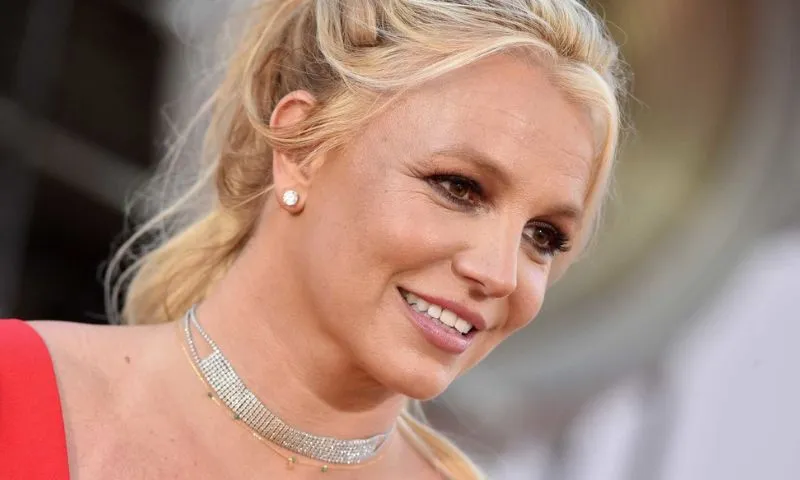
Britney Spears Enters Rehab After DUI Arrest, Fans React Worldwide
Pop icon Britney Spears has voluntarily entered a rehabilitation facility following her recent arrest on suspicion of driving under the influence, in a move her representatives described as a step toward stability and recovery. The development comes weeks after Spears, 44, was detained in Ventura County, California, on March 4, after authorities received reports of a vehicle being driven erratically at high speed. Officers from the California Highway Patrol said the singer “showed signs of impairment” and was suspected to be under the influence of a combination of alcohol and drugs. She was later booked into the Ventura County Main Jail and released a few hours afterward, with a court appearance scheduled for May 4. Arrest triggers turning point According to multiple reports, Spears’ decision to check into rehab was voluntary and followed mounting personal and legal pressure after the incident. A representative described the arrest as “completely inexcusable,” signaling a recognition of the seriousness of the situation. Sources familiar with the matter said the arrest acted as a wake-up call, prompting the singer to seek professional help. Her entry into treatment is being viewed as an effort to address both substance-related concerns and overall mental well-being. Spears has remained active on social media in recent weeks, sharing personal posts and expressing gratitude for her family and supporters, even as concerns about her health continued to circulate online. A turbulent personal journey The latest episode comes after a period of significant personal transitions in Spears’ life. In 2021, she was released from a nearly 13-year conservatorship that had placed her personal and financial decisions under the control of her father. Since then, the singer’s life has remained under intense public scrutiny, with several incidents prompting concern among fans and authorities, including welfare checks and reports of emotional distress. Spears has previously spoken about the impact of her past experiences, describing aspects of her conservatorship and treatment as traumatic in her memoir The Woman in Me. Public reaction and next steps The news of her rehabilitation has drawn a wave of mixed reactions, with many fans expressing support for her decision while others continue to question the circumstances surrounding her recent behavior. Industry observers say the move could mark a critical turning point in Spears’ ongoing efforts to rebuild her life and maintain stability after years of personal and legal challenges. Her upcoming court appearance related to the DUI case is expected to shape the next phase of the situation, both legally and publicly. For now, the focus remains on her recovery, with representatives indicating that she is prioritising her health and well-being during this period.
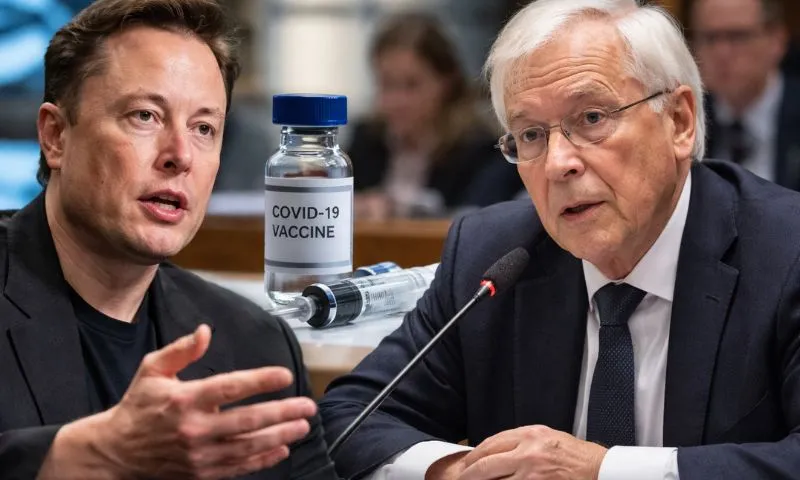
“Felt Like I Was Dying”: Musk’s Statement Fuels Vaccine Controversy
Elon Musk has reignited a global debate over Covid-19 vaccine safety after amplifying controversial claims made by a former Pfizer toxicologist during a hearing in Germany’s parliament. The remarks follow testimony delivered at the Bundestag’s Corona Enquete Commission, where a former Pfizer toxicology expert argued that the mRNA vaccine developed by Pfizer-BioNTech should not have been approved and may have been linked to thousands of deaths. The clip of the testimony quickly went viral, drawing millions of views online after Musk shared it with his followers, questioning why the issue was not receiving broader global attention. Claims and counterclaims The scientist at the centre of the controversy, Dr Helmut Sterz, previously led toxicology units at major pharmaceutical firms including Pfizer and Roche, before retiring more than a decade prior to the pandemic. During his brief appearance before lawmakers, Sterz argued that several key preclinical safety studies were not completed before the vaccine received emergency approval. These included tests related to cancer risk and reproductive toxicity, which are typically part of standard drug development processes. His most widely cited claim suggested that up to 60,000 deaths in Germany could be associated with Covid-19 vaccination. The figure was derived by applying a multiplier to officially reported deaths recorded after vaccination by Germany’s drug safety authority, the Paul-Ehrlich-Institut. However, experts and officials have stressed a key distinction. The reported deaths occurred after vaccination but were not proven to have been caused by the vaccine itself. German Health Minister Karl Lauterbach, who attended the session, rejected the claims, describing them as false and unsupported by scientific evidence. Read More: Elon Musk’s Brain Chip Creates Real-Life Transformation for Patient Musk’s personal claim fuels debate Musk added to the controversy by sharing his own experience with the Covid-19 vaccine, stating that his second dose left him feeling severely unwell. “The vaccine dosage was obviously too high and done too many times,” he wrote. “But my second vaccine shot almost sent me to the hospital. Felt like I was dying.” His comments, combined with the viral testimony, have intensified online discussions around vaccine safety, regulatory oversight and transparency during the pandemic. Read More: Musk Becomes Richest Person Ever With $839 Billion Fortune Scientific context and broader evidence Health authorities worldwide, including regulators in Europe and the United States, have consistently maintained that Covid-19 vaccines underwent rigorous evaluation, even under accelerated timelines due to the global emergency. While rare side effects such as myocarditis have been documented, large-scale studies published in leading medical journals have found that vaccination significantly reduced severe illness and death during the pandemic. Analysts note that Sterz’s estimate relies on extrapolation rather than direct clinical evidence, using assumptions about underreporting that may not apply uniformly across countries. The episode highlights the growing influence of social media in shaping public perception of scientific issues, particularly when statements by high-profile figures intersect with complex medical debates. As governments continue to review pandemic responses, including through parliamentary inquiries such as Germany’s, experts say clear communication of evidence remains critical to maintaining public trust.
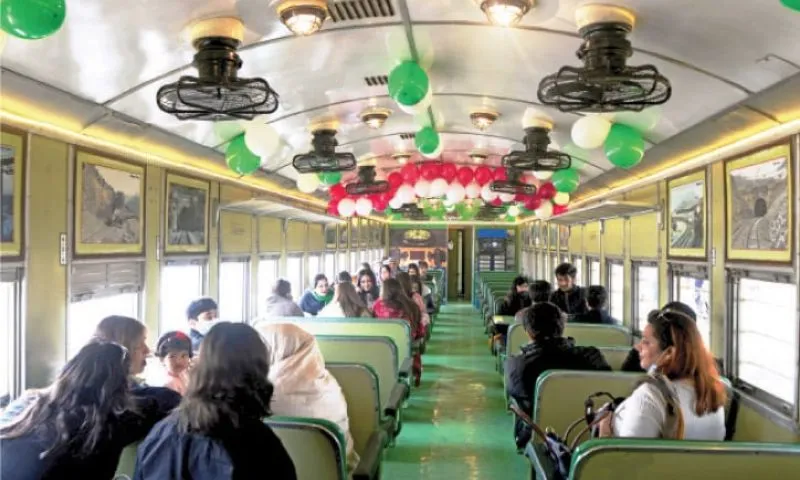
Upgraded Safari Train Rolls Out from Rawalpindi with Big Tourism Push
Pakistan Railways has relaunched its upgraded Safari Tourist Train from Rawalpindi, marking a renewed push to promote domestic tourism and improve passenger experience, officials said on Sunday. The service, inaugurated by Federal Minister for Railways Hanif Abbasi at Rawalpindi Railway Station, will run along a scenic route to Attock Khurd, passing through historically rich and picturesque locations including Golra and Margalla. Speaking at the ceremony, Abbasi said the train had undergone a comprehensive upgrade aimed at improving comfort and attracting tourists. “The train was operational earlier as well, but the difference now is our approach and commitment to providing better facilities to the public,” he said. All coaches have been equipped with air conditioning and cushioned seating, while additional onboard facilities have been introduced for both passengers and railway staff. Tourism-focused experience Officials said the train is designed as a tourism-oriented service rather than a regular passenger route. The journey includes short stopovers at key stations, where passengers are provided refreshments and briefed on the historical importance of the sites. The route offers views of the Margalla Hills, Taxila region and Attock’s historic infrastructure, including a 160-year-old iron bridge dating back to the British era. Passengers are also expected to spend several hours at Attock Khurd, where activities such as sightseeing, guided tours and recreational experiences are planned before returning to Rawalpindi the same day. Additional amenities include Wi-Fi, meals, and refreshments, reflecting an effort to position the train as a family-friendly leisure product. Wider reforms in Pakistan Railways The relaunch comes as part of broader reforms announced by the government to revive Pakistan Railways, which has long faced issues such as outdated locomotives, aging tracks and financial losses. Abbasi said Prime Minister Shehbaz Sharif had approved a bailout package to ensure uninterrupted supply of electricity and gas for railway operations, adding that visible improvements were expected in the coming months. He also revealed that work on the Lahore to Rawalpindi railway track would begin in September at an estimated cost of Rs2.5 billion, while joint projects with provincial governments, including upgrades at Rohri Junction, were also in the pipeline. Efforts are underway to expand connectivity to Thar coalfields and enhance freight digitisation to improve efficiency and reduce interference in operations, the minister said. Highlighting workforce concerns, Abbasi pointed to the need for better facilities for train drivers and technical staff. “A train driver responsible for over 1,000 passengers has none. We intend to change that,” he said. Push for regional tourism revival The Safari Train is part of a broader attempt to revive railway-based tourism in Pakistan, a concept previously explored through initiatives such as the Khyber Train Safari. Officials say similar tourism trains are also being planned for Sindh, as authorities look to capitalise on heritage routes and scenic landscapes to boost domestic travel. While earlier versions of the Safari Train were discontinued due to financial losses, the government hopes that upgraded facilities and a renewed focus on tourism will make the service sustainable this time.
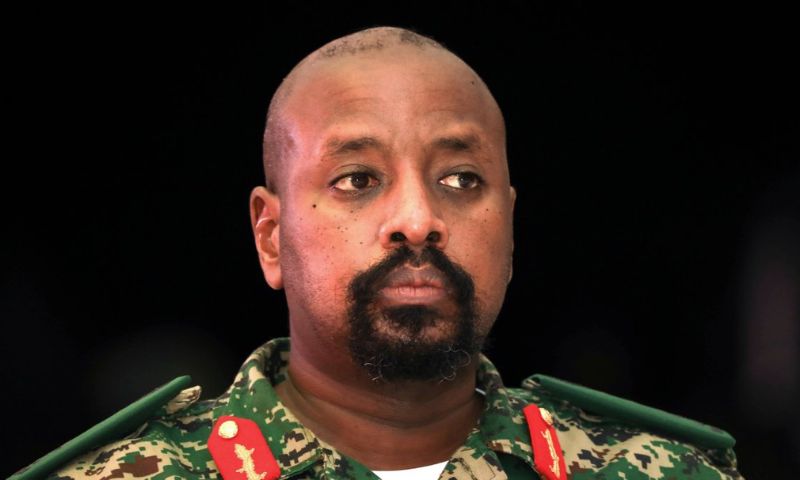
$1 Billion and a Bride: Outrage Erupts Over Uganda General’s Unusual Demand to Turkey
Uganda’s top military commander Muhoozi Kainerugaba has triggered international controversy after publicly demanding $1 billion from Turkey along with what he described as “the most beautiful woman” in the country as his wife, remarks that have drawn sharp attention across diplomatic circles. The comments, made through a series of social media posts, were framed by Kainerugaba as compensation for Uganda’s long-standing military role in regional security operations, particularly in Somalia. According to reports, the general said Uganda deserved financial recognition for its contribution to fighting militant groups, adding that Turkey had benefited from infrastructure and economic engagements in Somalia while Ugandan forces bore the security burden. In one of the posts, he wrote that Turkey should provide “$1 billion” and “the most beautiful woman” as part of his demand. Threat of diplomatic fallout The remarks escalated further when Kainerugaba warned that failure to meet his demands could result in a breakdown of diplomatic relations between Uganda and Turkey. He reportedly gave a 30-day window, threatening to close Turkey’s embassy in Kampala and cut ties altogether. He also suggested reciprocal actions, stating that Turkey could shut Uganda’s embassy in return, framing the situation as a “simple deal.” The comments have raised concerns among analysts, with many viewing them as highly unconventional and potentially damaging to Uganda’s foreign relations. Pattern of controversial statements This is not the first time Kainerugaba has stirred headlines with provocative statements. In 2022, he had publicly expressed interest in marrying Italian Prime Minister Giorgia Meloni, even suggesting a symbolic bride price in exchange. The Ugandan general, who is also the son of President Yoweri Museveni, has previously faced criticism for social media posts that have sparked diplomatic tensions, including remarks about neighboring countries and global political figures. Observers note that his latest comments fit into a broader pattern of outspoken and often controversial online behavior, which has at times forced official clarifications or apologies from Kampala. Wider implications Turkey has not officially responded to the latest remarks, but the episode has drawn widespread global attention and criticism, with many questioning the seriousness and intent behind the statements. Analysts say the incident highlights the growing impact of social media on diplomacy, where informal or personal remarks by senior officials can quickly escalate into international issues. While it remains unclear whether the comments were symbolic, rhetorical, or serious, the reaction underscores the sensitivity of diplomatic language, particularly when it involves demands that challenge established norms.
