


A boutique chocolate maker in Tokyo has captured global attention with a dessert so thin that it reportedly melts the moment it touches the tongue. MATTE Bottega del Cioccolato, a specialty chocolate shop that opened in February 2024 at Azabudai Hills Garden Plaza in Tokyo, Japan, claims to have created the world’s thinnest chocolate. The product, called Corteccia, measures just 0.03 millimeters in thickness, making it thinner than a sheet of paper and pushing the boundaries of modern confectionery craftsmanship. Named after the Italian word for “tree bark,” Corteccia has become MATTE’s signature creation and a viral sensation on social media, where food enthusiasts and chocolate lovers have marveled at its unusual appearance and ultra-delicate texture. A Chocolate Designed to Melt Instantly The idea behind Corteccia came from MATTE founder Matteo Sanclicca, who sought to recreate what many chocolatiers consider the perfect moment of eating chocolate. “They say chocolate is at its best when it is about to melt in the mouth,” Sanclicca explained in company materials describing the concept behind the dessert. His goal was to create a chocolate experience that delivers that sensation immediately. Unlike traditional layered chocolates, Corteccia consists of a single ultra-thin sheet of chocolate. The layer is then rolled into a cylindrical shape that resembles a small tree branch covered in irregular bark. The result is a dessert that reportedly dissolves almost instantly upon contact with the tongue, creating a texture unlike conventional chocolate products. Food industry experts note that texture plays a major role in consumer perception of premium chocolate. The thinner the chocolate layer, the faster it melts, allowing flavors and aromas to reach the palate more quickly. Engineering Behind the Record-Breaking Dessert Creating a chocolate sheet only 0.03 millimeters thick required far more than standard confectionery techniques. According to MATTE, the company spent approximately one and a half years developing a custom machine in collaboration with a local Japanese machinery specialist. The machine presses and rolls chocolate with extraordinary precision. While similar equipment exists elsewhere, MATTE says no other machine currently produces chocolate layers as thin as those used in Corteccia. The company describes the manufacturing process as a combination of engineering and culinary innovation. Maintaining structural integrity at such a microscopic thickness presents a significant technical challenge because chocolate can easily crack, warp or melt during production. The uniqueness of the machine has also made replication difficult. Although numerous confectioners and content creators have attempted to recreate Corteccia after its viral rise online, none have publicly demonstrated the ability to consistently produce chocolate at the same thickness. That exclusivity has helped transform the dessert into one of Tokyo’s most talked-about culinary attractions. As demand grows, Corteccia continues to draw visitors to MATTE’s workshop and retail space, where customers line up to experience a chocolate creation that challenges conventional ideas of texture, craftsmanship and food engineering. For now, the world’s thinnest chocolate remains a uniquely Tokyo creation, produced using technology found nowhere else.
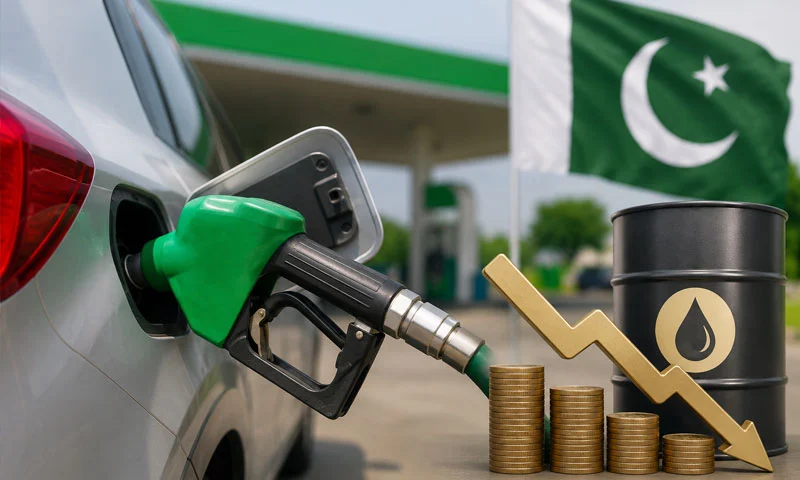
Massive Relief in Pakistan: Petrol Falls to Rs299, Diesel to Rs311
Pakistan on Friday announced one of its biggest fuel price cuts in recent years, reducing petrol by Rs74 per litre and diesel by Rs67 per litre after a sharp drop in global oil prices. Prime Minister Shehbaz Sharif announced the relief in a statement issued by the Prime Minister’s Office. Under the new rates, petrol will fall from Rs373 per litre to Rs299. High-speed diesel will drop from Rs378 per litre to Rs311. The reduction follows a decline in international crude oil prices after the US-Iran peace agreement. The reopening of the Strait of Hormuz also eased concerns about global oil supplies. “Petrol prices are being reduced by Rs74 per litre and diesel prices by Rs67 per litre. As a result, the price of petrol will fall from Rs373 to Rs299 per litre, while diesel will decrease from Rs378 to Rs311 per litre,” the Prime Minister’s Office said. The government said it was passing the benefits of lower oil prices directly to consumers. “We had made a promise to the nation and, by the grace of Allah, we are now fulfilling it,” Prime Minister Shehbaz said. Government Highlights Crisis Management The prime minister thanked citizens for their patience during the recent regional crisis. He said the government used Rs129 billion from development allocations and savings generated through austerity measures to protect consumers from rising fuel costs. According to the premier, Pakistan avoided an energy crisis despite months of uncertainty in the region. “There were no fuel shortages, no long queues and no disruption in the supply of petroleum products,” he said. He credited coordination between federal and provincial authorities for maintaining uninterrupted fuel supplies. The prime minister also promised further relief if global oil prices continue to decline. “Whatever reduction takes place in international oil prices will be transferred to the public in full,” he said. The government has reviewed petroleum prices every week since the US-Israeli conflict with Iran began on February 28. Prices Had Reached Record Highs Fuel prices surged during the conflict as international oil markets reacted to fears of supply disruptions. Petrol prices were revised twice in the first week of March. The biggest increase came in April. Petrol rose by Rs137 per litre and reached a record Rs458.4 per litre. Diesel also climbed sharply. Its price jumped from Rs275.7 per litre to Rs520.35 per litre during the crisis. The latest reduction is expected to provide relief to households, transporters and businesses. Petrol is widely used by motorists, motorcycle riders and rickshaw drivers. Changes in its price directly affect daily travel costs. Diesel plays a critical role in the economy. Trucks, buses, trains and agricultural machinery depend heavily on it. Economists often view diesel prices as a major inflation driver. Higher transport and farming costs usually push up the prices of goods and services. Referring to regional diplomacy, Prime Minister Shehbaz said peace became possible through Pakistan’s mediation efforts. He described the Islamabad Memorandum of Understanding as a historic achievement. The prime minister also praised Chief of Defence Forces and Chief of Army Staff Field Marshal Asim Munir, Deputy Prime Minister Ishaq Dar, Interior Minister Mohsin Naqvi and other officials for their contributions during the crisis. The government said it would continue efforts to maintain economic stability, reduce inflation and provide relief to the public.
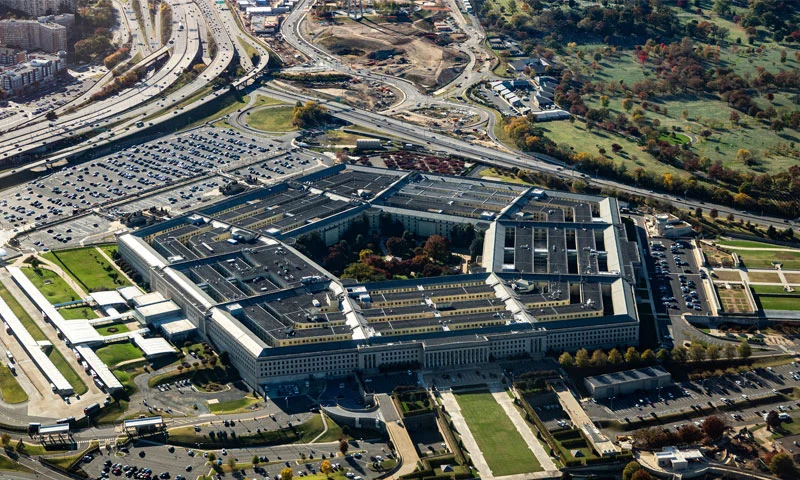
Pentagon Wants $80 Billion More as Iran War Costs Keep Climbing
The US Defence Department plans to seek about $80 billion from Congress to cover costs linked to the Iran war and other military expenses, according to a report by The Wall Street Journal. The request comes as the conflict enters its fifth month and lawmakers debate both its financial cost and legal basis. The newspaper reported on Thursday that Deputy Defence Secretary Stephen Feinberg shared the funding proposal with lawmakers this week. The report cited people familiar with the discussions. Pentagon officials have warned that military operations could face funding shortages in the coming months unless Congress approves a new wartime spending bill. The proposal has also intensified political pressure on President Donald Trump, who faces criticism from opponents over the cost of the conflict. Critics argue that billions of taxpayer dollars are flowing into the Middle East while Americans continue to struggle with inflation and high energy costs. Pentagon Warns of Budget Shortfall According to The Wall Street Journal, Pentagon leaders have told lawmakers that current funding levels may not be enough to sustain operations. The report said the military could reduce training activities if additional funding does not arrive soon. Troop deployments along the US-Mexico border could also face cuts. Those forces currently support Trump’s immigration enforcement policies. A source cited by the newspaper said part of the proposed $80 billion package would fund munitions, military personnel and naval operations. The Pentagon reported last month that direct costs related to the Iran war had reached nearly $29 billion. However, Democrats and other critics argue that the true cost is significantly higher. They point to economic losses, military damage and long-term obligations linked to the conflict. Questions about US weapons stockpiles have also increased. Last month, Acting Navy Secretary Hung Cao cited the war when explaining a pause in some arms sales to Taiwan. His comments raised concerns about whether the conflict is placing additional strain on US military inventories. Defence Secretary Pete Hegseth later dismissed suggestions that the United States faces a serious munitions shortage. Congress Divided Over War Funding The conflict began after US and Israeli strikes on Tehran in late February. The fighting quickly spread across the region and disrupted energy markets. The war has also affected shipping through the Strait of Hormuz, a key route for global oil supplies. Analysts have warned that prolonged instability could place further pressure on crude prices and inflation. Efforts to end the conflict remain uncertain. A proposed agreement came under strain after renewed fighting between Israel and the Iran-backed Hezbollah movement in Lebanon. Planned talks in Switzerland were later postponed, casting doubt on the immediate prospects for a ceasefire. The Pentagon’s funding request has also reignited a constitutional debate in Washington. Several lawmakers have said they will not support additional funding unless Congress formally authorises the war. Democrats accuse Trump of bypassing Congress when he launched military action against Iran. They argue that the president violated the Constitution and exceeded his authority. Lawmakers have pointed to the War Powers Act, which requires presidents to secure congressional approval within 60 days after introducing US forces into hostilities. That deadline passed weeks ago, according to Democratic lawmakers. They argue that the administration is now operating outside legal limits. The White House has not publicly responded to the latest criticism. The debate over military funding, presidential authority and the long-term cost of the Iran conflict is expected to dominate congressional discussions in the weeks ahead as lawmakers review the Pentagon’s request.

Why Apple Says iPhone Price Hikes May Soon Be Unavoidable
Apple may soon pass higher component costs on to consumers as soaring demand for artificial intelligence infrastructure drives up the price of memory chips, outgoing Chief Executive Officer Tim Cook has warned. In an interview with The Wall Street Journal published on Wednesday, Cook said the unprecedented surge in demand for memory components used in AI systems has created severe supply pressures across the technology industry. “Unfortunately, price increases are unavoidable,” Cook told the newspaper. He added that Apple had been “trying to shield customers from the increases” but said doing so had become “unsustainable.” Cook did not specify when the increases would take effect, how large they might be, or which products would be affected. However, the comments have raised fresh questions about pricing for Apple’s next generation of devices, including the widely anticipated iPhone 18 lineup expected to launch in September. AI Demand Reshapes Global Chip Market The warning comes as technology companies continue investing billions of dollars in artificial intelligence infrastructure, triggering intense competition for advanced semiconductors and memory chips. According to The Wall Street Journal, research firm TechInsights estimates Apple would need to increase the price of its premium iPhone Pro model by approximately $270 to maintain current profit margins if component costs continue rising. Memory chips and RAM have emerged as critical components in the AI race. Data centres powering generative AI systems require enormous amounts of high-bandwidth memory, creating supply shortages that have affected manufacturers across the electronics sector. Industry analysts say prices for several memory products have climbed sharply since late 2025. The Wall Street Journal reported that memory chips have experienced quarterly price increases of at least 50%, driven largely by demand from AI infrastructure providers. Major memory manufacturers, including companies such as Samsung Electronics, SK Hynix and Micron Technology, have prioritised production of high-performance memory used in AI servers as demand continues to outpace supply. Cook, who spent much of his career managing technology supply chains before joining Apple, said the current situation is unlike anything he has witnessed. “There’s less supply at a time when consumers want devices and the memory guys are passing along huge price increases,” he said. iPhone Buyers Could Feel the Impact Apple has largely avoided major price increases in recent years despite inflationary pressures and supply chain disruptions. Analysts say the company’s scale and purchasing power have helped cushion customers from some of those costs. However, Cook suggested the current memory market presents a different challenge. Before joining Apple in 1998, Cook worked in supply chain and operations roles at IBM and Compaq. Drawing on decades of experience, he described the ongoing surge in memory prices as a “hundred-year flood.” His comments come as investors and consumers closely watch how technology companies balance rising AI-related costs with demand for premium devices. While Apple has not announced any official price changes, analysts believe future iPhones, iPads, MacBooks and other products could face upward pricing pressure if memory shortages persist. The developments highlight one of the less visible consequences of the global AI boom. While consumers increasingly benefit from AI-powered features, the infrastructure required to support those technologies is reshaping supply chains and driving up costs throughout the electronics industry.
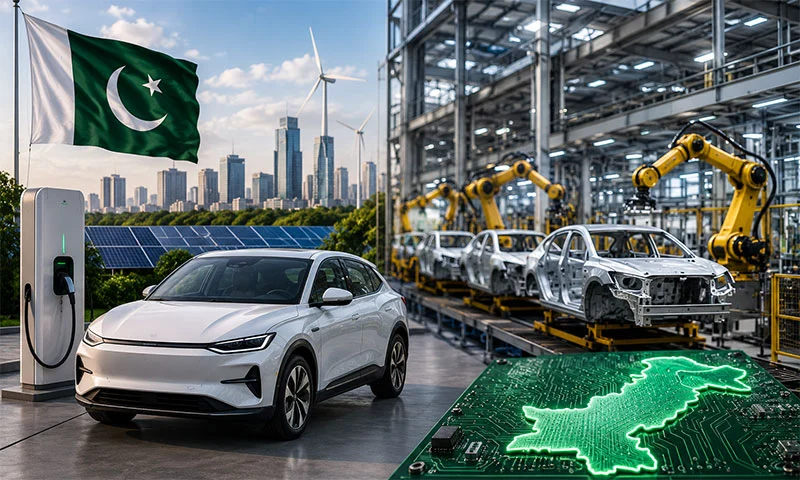
Pakistan Moves Closer to Becoming a Regional EV Hub
Pakistan’s push towards electric mobility gained momentum as Finance Minister Muhammad Aurangzeb reaffirmed government support for electric vehicle manufacturing and localisation during a meeting with senior executives from Chinese automotive giant BYD and its local partner, Mega Motor Company (MMC). The meeting comes as BYD accelerates work on its first manufacturing facility in Pakistan and expands plans for electric vehicle production, charging infrastructure and technology transfer in one of South Asia’s fastest-growing automotive markets. According to the Ministry of Finance, the delegation included Liu Xueliang, General Manager of BYD Asia Pacific Auto Sales Division, and Aly Khan, Chief Executive Officer of Mega Motor Company (Private) Limited. Aurangzeb welcomed the delegation and “appreciated BYD’s growing footprint in Pakistan, underscoring the importance of strengthening business-to-business collaboration as a key pillar of the evolving Pakistan-China economic partnership”. The minister said, “Pakistan attached high priority to attracting technology-driven investments and expressed confidence that the BYD-MMC joint venture would contribute to industrial development, technology transfer, job creation and export growth”. Local Manufacturing Project Progressing The meeting highlighted progress on BYD’s local manufacturing project, which was announced in 2024 when the world’s largest electric vehicle producer entered Pakistan through a partnership with MMC, a subsidiary of Hub Power Holdings. Liu briefed the minister on BYD’s operations and future plans in Pakistan. According to the ministry, he highlighted progress in introducing new energy vehicle technologies to the local market through the partnership with MMC. He also appreciated government support for the EV sector and informed the meeting that construction of the company’s manufacturing facility was progressing according to schedule. The delegation outlined plans to expand BYD’s product portfolio, increase localisation, introduce advanced charging technologies and strengthen Pakistan’s EV ecosystem through investment, technology transfer and capacity building. Pakistan’s EV market remains small compared with regional competitors, but industry analysts expect rapid growth as vehicle manufacturers expand offerings and the government pushes cleaner transportation policies. According to the International Energy Agency, global EV sales exceeded 17 million units in 2024, reflecting strong momentum in the shift towards electric mobility. Pakistan Eyes Regional EV Hub Status The delegation told the minister that “Pakistan had growing potential as a market for new energy vehicles and outlined a long-term vision of positioning the country as a regional hub for EV manufacturing and exports”. Aly Khan said Pakistan occupied a strategic position in BYD’s global expansion plans and reiterated the joint venture’s commitment to long-term investment. He briefed the meeting on the manufacturing project and outlined a phased localisation roadmap aimed at increasing local content through engagement with domestic vendors and suppliers. Aurangzeb said global trends pointed towards an accelerating transition to electric mobility and reiterated the government’s commitment to facilitating investments that support technological advancement, sustainable industrialisation and energy efficiency. He added that Pakistan’s improving macroeconomic fundamentals and stronger external sector position had created a conducive environment for productive investment and industrial expansion. The finance minister encouraged the delegation to accelerate efforts towards local assembly, manufacturing and charging infrastructure development, stressing that a robust charging network would play a critical role in speeding up electric vehicle adoption across the country. Participants also discussed the future role of electric vehicles and plug-in hybrid electric vehicles (PHEVs) in Pakistan. The BYD delegation shared international experience on EV market development and highlighted the complementary role of PHEVs during the transition phase, particularly in countries where charging infrastructure is still developing. The meeting also explored opportunities created by Pakistan’s rising adoption of solar energy and potential synergies between renewable power and electric mobility. Both sides reaffirmed their commitment to strengthening collaboration in electric mobility, local manufacturing, technology transfer, skills development and sustainable transportation, with the shared objective of positioning Pakistan as a leading regional destination for new energy vehicle production and innovation.

Mexico Fans Erupt as Hosts Secure Historic World Cup Milestone
Co-hosts Mexico became the first nation to secure a place in the knockout rounds of the 2026 FIFA World Cup after a hard-fought 1-0 victory over South Korea at a packed Guadalajara Stadium on Thursday. Luis Romo scored the decisive goal early in the second half as Mexico maintained their perfect start to the tournament and booked a place in the last 32 with one group match still to play. The victory also guaranteed Mexico top spot in Group A. Javier Aguirre’s side now has six points from two matches after opening their campaign with a 2-0 win over South Africa. Finishing first means Mexico will remain on home soil for the next round and will face one of the tournament’s best third-placed teams in Mexico City. South Korea remain second in the group with three points, while South Africa and the Czech Republic each have one point following their 1-1 draw earlier on Thursday. Both teams entered the contest knowing that a win would secure qualification, creating a tense atmosphere inside one of the tournament’s most vibrant venues. Goalkeeping Error Decides Tight Contest South Korea created the first major moment of the match after 15 minutes. Captain Son Heung-min lifted the ball over goalkeeper Raul Rangel, only for Edson Alvarez to clear spectacularly off the goal line with an overhead kick. Although the assistant referee later raised the flag for offside, television replays suggested the decision was extremely close. Mexico gradually grew into the game. Julian Quinones, who scored the opening goal of the World Cup against South Africa, forced goalkeeper Kim Seung-gyu into an impressive save with a powerful header. Despite enjoying more possession during the first half, South Korea struggled to create clear-cut opportunities. The lack of attacking threat frustrated neither side more than the Mexican supporters, who responded with jeers at the halftime whistle. The breakthrough arrived five minutes after the restart. Kim rushed out to claim a high ball but collided with one of his own defenders. The ball spilled loose inside the penalty area and Romo reacted quickest, calmly poking it into an empty net. The goal sparked wild celebrations among the home crowd and shifted the momentum firmly in Mexico’s favour. Rangel Preserves Historic Victory South Korea coach Hong Myung-bo responded by introducing Wolverhampton Wanderers forward Hwang Hee-chan and surprisingly withdrawing veteran star Son before the hour mark. The change failed to produce an immediate impact. However, South Korea pushed hard in the closing stages and nearly rescued a point. Guadalajara-born goalkeeper Raul Rangel emerged as Mexico’s hero. He produced a superb double save in the dying minutes to preserve the lead and send the home fans into celebration. Mexico have now reached the knockout rounds of every World Cup they have hosted, reinforcing their reputation as one of the tournament’s most consistent performers on home soil. They will conclude their group campaign against the Czech Republic, while South Korea face South Africa in a crucial match that could determine the second qualification spot from Group A.
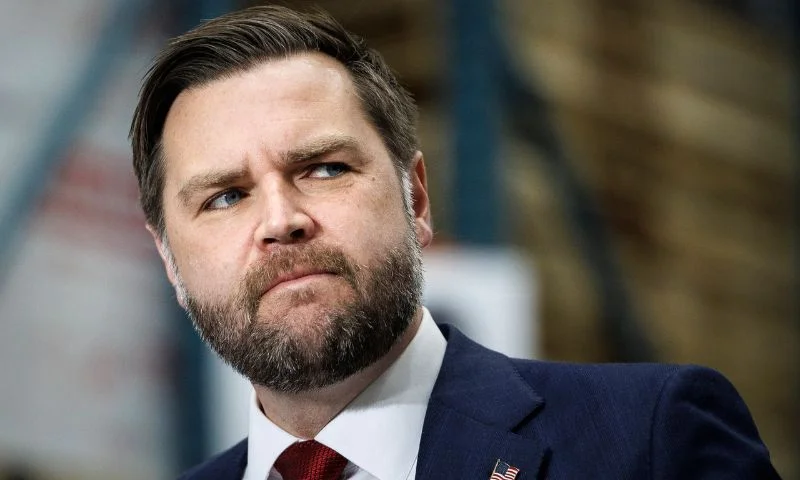
JD Vance Issues Rare Warning to Israel as US-Iran Deal Takes Effect
US Vice President JD Vance delivered an unusually sharp message to Israeli critics of the newly signed US-Iran memorandum of understanding (MoU), urging them to stop attacking Washington’s efforts and warning that Israel should not alienate its strongest ally. Speaking during a White House press briefing on Thursday, Vance responded to criticism from Israeli lawmakers and officials who oppose the framework agreement reached between Washington and Tehran. “If I was in the cabinet of the Israeli government, I might not be attacking the only powerful ally that I have anywhere left in the entire world,” Vance told reporters. “Anybody in Israel who thinks their biggest problem is the president of the United States needs to wake up and smell the reality of the situation.” The remarks highlighted growing friction between Washington and Tel Aviv after President Donald Trump signed an agreement aimed at ending the conflict with Iran and reopening the Strait of Hormuz. The deal came after months of regional tensions and intensive diplomacy. Under the framework, the United States and Iran agreed to end hostilities, restore navigation through the strategically important waterway, and begin a 60-day period of technical negotiations on a broader settlement. Vance confirmed the 60-day clock officially started on Thursday. Verification at the Centre of the Agreement The deal has drawn criticism from Israeli politicians and some Republican lawmakers who argue that it offers Iran sanctions relief and economic incentives without clearly dismantling its nuclear programme. Questions have also emerged over provisions linked to oil exports, sanctions relief and a proposed $300 billion reconstruction package for Iran. Critics say the framework lacks a firm mechanism for eliminating Tehran’s nuclear capabilities. Vance rejected those concerns and stressed that Iran would receive benefits only after proving compliance. “If they don’t perform as we’ve said before, they don’t get any of the benefits of the bargain,” he said. “There’s a lot of discussion, the MoU, the gentleman’s agreements, the final deal. Words don’t matter, ladies and gentlemen, we’re about verification.” JD Vance is warning Benjamin Netanyahu’s administration not to mess around with the United States, saying they may end up losing everything. Vance says Trump is their last ally because the entire world already hates them. "If I were in the cabinet of the Israeli government, I… pic.twitter.com/l3kRzQiov4 — Shadow of Ezra (@ShadowofEzra) June 18, 2026 The vice president said oil prices were already declining and noted that the US had started implementing its commitments under the agreement. “The US military has allowed north of a dozen ships to go through our naval blockade, and so we’re also honouring our end of the early part of the agreement,” he said. Reports indicate that the United States has lifted restrictions that previously affected Iranian maritime trade, while commercial traffic has resumed through the Strait of Hormuz. Switzerland Talks and Political Stakes Vance also revealed plans to travel to Switzerland for the next phase of negotiations. “I plan to go to Switzerland. I suspect this weekend, but I’m not sure. It just depends on exactly when the Iranians can get there.” The vice president has emerged as the administration’s chief advocate for the agreement. His growing role places him at the centre of one of the most consequential foreign policy initiatives of Trump’s second term. Political observers view the assignment as a high-risk test for Vance, who is widely seen as a potential Republican contender in the 2028 presidential election. Success could strengthen his credentials as a foreign policy leader. Failure could expose him to political fallout. Trump recently joked that he would blame Vance if the agreement collapsed. Asked about the remark, Vance brushed it aside. “I mean, I think the president was joking, as he often does.” “But, no, look, the entire team has worked very well on this, and we’ve got this thing to a very good place for the American people.” The comments came as divisions between Washington and some members of Israel’s government became increasingly visible. Recent reports indicate that Trump and Israeli Prime Minister Benjamin Netanyahu have disagreed over the direction of diplomacy with Iran and broader regional security issues.
