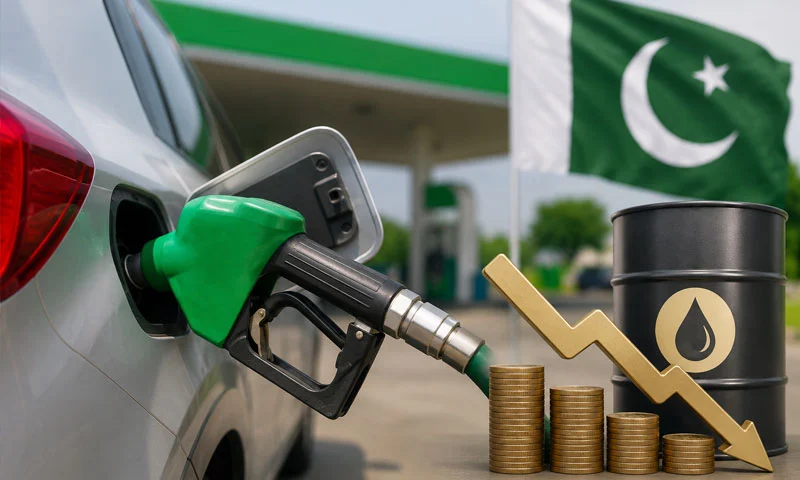
Pakistan on Friday announced one of its biggest fuel price cuts in recent years, reducing petrol by Rs74 per litre and diesel by Rs67 per litre after a sharp drop in global oil prices.
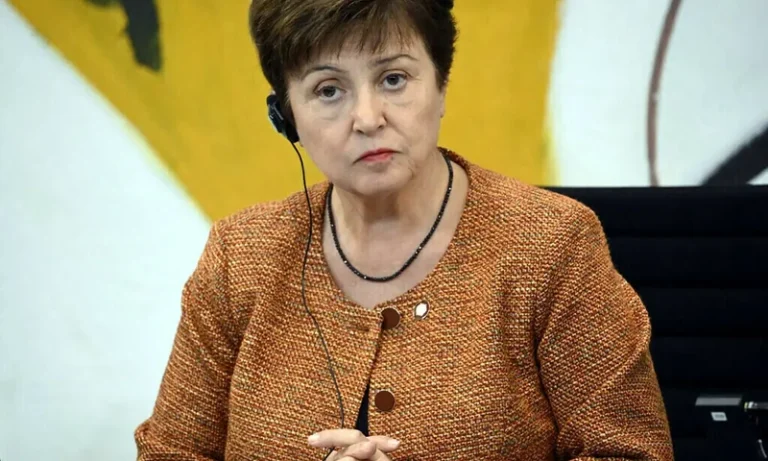
Prime Minister Shehbaz Sharif announced the relief in a statement issued by the Prime Minister’s Office.
Under the new rates, petrol will fall from Rs373 per litre to Rs299. High-speed diesel will drop from Rs378 per litre to Rs311.
The reduction follows a decline in international crude oil prices after the US-Iran peace agreement. The reopening of the Strait of Hormuz also eased concerns about global oil supplies.
“Petrol prices are being reduced by Rs74 per litre and diesel prices by Rs67 per litre. As a result, the price of petrol will fall from Rs373 to Rs299 per litre, while diesel will decrease from Rs378 to Rs311 per litre,” the Prime Minister’s Office said.
The government said it was passing the benefits of lower oil prices directly to consumers.
“We had made a promise to the nation and, by the grace of Allah, we are now fulfilling it,” Prime Minister Shehbaz said.
Government Highlights Crisis Management
The prime minister thanked citizens for their patience during the recent regional crisis.
He said the government used Rs129 billion from development allocations and savings generated through austerity measures to protect consumers from rising fuel costs.
According to the premier, Pakistan avoided an energy crisis despite months of uncertainty in the region.
“There were no fuel shortages, no long queues and no disruption in the supply of petroleum products,” he said.
He credited coordination between federal and provincial authorities for maintaining uninterrupted fuel supplies.
The prime minister also promised further relief if global oil prices continue to decline.
“Whatever reduction takes place in international oil prices will be transferred to the public in full,” he said.
The government has reviewed petroleum prices every week since the US-Israeli conflict with Iran began on February 28.
Prices Had Reached Record Highs
Fuel prices surged during the conflict as international oil markets reacted to fears of supply disruptions.
Petrol prices were revised twice in the first week of March.
The biggest increase came in April. Petrol rose by Rs137 per litre and reached a record Rs458.4 per litre.
Diesel also climbed sharply. Its price jumped from Rs275.7 per litre to Rs520.35 per litre during the crisis.
The latest reduction is expected to provide relief to households, transporters and businesses.
Petrol is widely used by motorists, motorcycle riders and rickshaw drivers. Changes in its price directly affect daily travel costs.
Diesel plays a critical role in the economy. Trucks, buses, trains and agricultural machinery depend heavily on it.
Economists often view diesel prices as a major inflation driver. Higher transport and farming costs usually push up the prices of goods and services.
Referring to regional diplomacy, Prime Minister Shehbaz said peace became possible through Pakistan’s mediation efforts.
He described the Islamabad Memorandum of Understanding as a historic achievement.
The prime minister also praised Chief of Defence Forces and Chief of Army Staff Field Marshal Asim Munir, Deputy Prime Minister Ishaq Dar, Interior Minister Mohsin Naqvi and other officials for their contributions during the crisis.
The government said it would continue efforts to maintain economic stability, reduce inflation and provide relief to the public.