Apple may soon pass higher component costs on to consumers as soaring demand for artificial intelligence infrastructure drives up the price of memory chips, outgoing Chief Executive Officer Tim Cook has warned.
In an interview with The Wall Street Journal published on Wednesday, Cook said the unprecedented surge in demand for memory components used in AI systems has created severe supply pressures across the technology industry.
“Unfortunately, price increases are unavoidable,” Cook told the newspaper.
He added that Apple had been “trying to shield customers from the increases” but said doing so had become “unsustainable.”
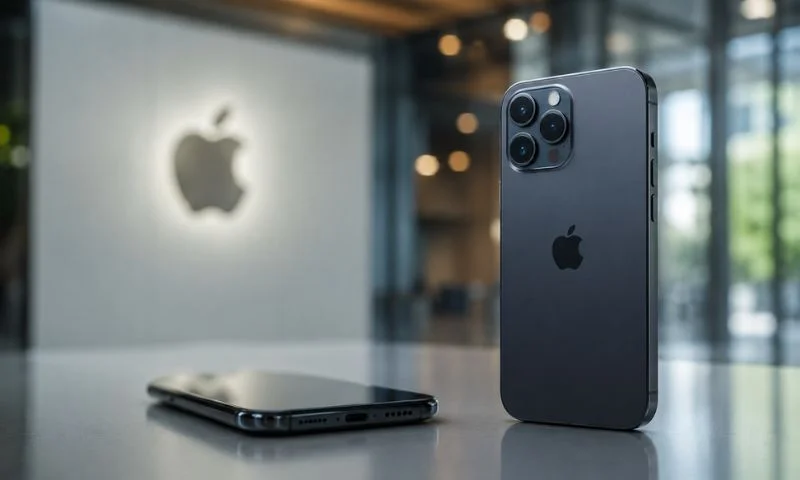
Cook did not specify when the increases would take effect, how large they might be, or which products would be affected. However, the comments have raised fresh questions about pricing for Apple’s next generation of devices, including the widely anticipated iPhone 18 lineup expected to launch in September.
AI Demand Reshapes Global Chip Market
The warning comes as technology companies continue investing billions of dollars in artificial intelligence infrastructure, triggering intense competition for advanced semiconductors and memory chips.
According to The Wall Street Journal, research firm TechInsights estimates Apple would need to increase the price of its premium iPhone Pro model by approximately $270 to maintain current profit margins if component costs continue rising.
Memory chips and RAM have emerged as critical components in the AI race. Data centres powering generative AI systems require enormous amounts of high-bandwidth memory, creating supply shortages that have affected manufacturers across the electronics sector.
Industry analysts say prices for several memory products have climbed sharply since late 2025. The Wall Street Journal reported that memory chips have experienced quarterly price increases of at least 50%, driven largely by demand from AI infrastructure providers.
Major memory manufacturers, including companies such as Samsung Electronics, SK Hynix and Micron Technology, have prioritised production of high-performance memory used in AI servers as demand continues to outpace supply.
Cook, who spent much of his career managing technology supply chains before joining Apple, said the current situation is unlike anything he has witnessed.
“There’s less supply at a time when consumers want devices and the memory guys are passing along huge price increases,” he said.
iPhone Buyers Could Feel the Impact
Apple has largely avoided major price increases in recent years despite inflationary pressures and supply chain disruptions. Analysts say the company’s scale and purchasing power have helped cushion customers from some of those costs.
However, Cook suggested the current memory market presents a different challenge.
Before joining Apple in 1998, Cook worked in supply chain and operations roles at IBM and Compaq. Drawing on decades of experience, he described the ongoing surge in memory prices as a “hundred-year flood.”
His comments come as investors and consumers closely watch how technology companies balance rising AI-related costs with demand for premium devices.
While Apple has not announced any official price changes, analysts believe future iPhones, iPads, MacBooks and other products could face upward pricing pressure if memory shortages persist.
The developments highlight one of the less visible consequences of the global AI boom. While consumers increasingly benefit from AI-powered features, the infrastructure required to support those technologies is reshaping supply chains and driving up costs throughout the electronics industry.