

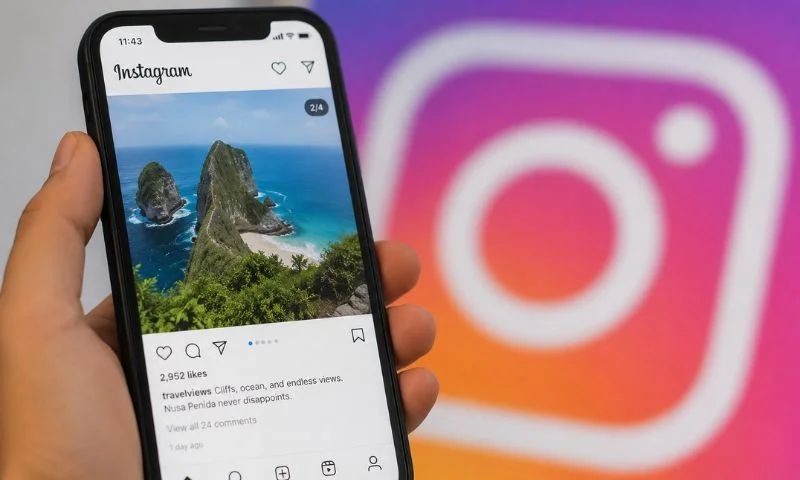
Instagram has started rolling out a long-requested feature that allows users to add separate captions to individual photos and videos within a carousel post, a change that content creators say could significantly improve storytelling and engagement on the platform. The Meta-owned social media app began introducing the feature on June 18. It enables users to attach unique captions to each slide instead of relying on a single caption for an entire carousel. Meta described the addition as “a long-requested feature,” reflecting years of feedback from creators, businesses and everyday users who wanted more flexibility when sharing multi-image posts. The update arrives as Instagram continues to compete with platforms such as TikTok and YouTube for creator attention. It also highlights the company’s focus on improving content formats that already generate strong engagement. How the New Feature Works Until now, Instagram allowed only one caption per carousel. Regardless of which image or video a user viewed, the same text appeared beneath the entire post. That often created challenges for creators producing tutorials, travel guides, event recaps, product showcases and educational content. Many resorted to placing text directly on images or writing lengthy captions that viewers rarely read in full. With the new update, users creating a carousel will see a toggle that lets them choose between “Single caption” and “Multiple captions.” Single caption remains the default option. However, users who select multiple captions can swipe through each slide during the upload process and write a unique caption for every image or video. When viewers browse the finished carousel, the caption updates automatically as they move from one slide to the next. The feature supports Instagram’s current carousel limit of 20 slides. This means creators can now add up to 20 individual captions within a single post. A Major Win for Creators and Brands Industry observers believe the update could change how users approach carousel content. Instagram carousels have consistently ranked among the platform’s strongest engagement formats in recent years. Marketing firms and social media analysts frequently report that carousel posts generate higher engagement rates than many other content formats because they encourage users to spend more time interacting with a post. The addition of slide-specific captions could further increase that engagement by giving viewers relevant context for each image. For brands, the feature creates cleaner formats for product comparisons, before-and-after transformations and step-by-step demonstrations. Travel creators can now explain each destination individually, while educators can provide detailed explanations without overcrowding a single caption. The update may also improve accessibility. Users who rely on screen readers can receive context tied directly to each slide rather than navigating a single block of text that may not match the content on screen. Instagram has not announced a global rollout date. The company said the feature will gradually become available on mobile devices over time. For creators who have spent years squeezing multiple explanations into one caption, the update represents a small change with potentially significant impact on how stories unfold across Instagram’s most popular format.

AI Startup Records Every Corner of Homes to Train Future Robots
A New York startup is offering residents free apartment cleaning and even private chef services. In return, it records nearly everything that happens inside their homes. The initiative, called Shift, comes from AI company Micro AGI. The firm says it wants to gather real-world data to train future household robots that can clean, cook and perform other daily tasks. The programme has sparked excitement among AI enthusiasts. It has also raised concerns among privacy advocates who warn that consumers may be giving away valuable personal information for a service that appears free. Cameras, Cleaning and AI Training The project recently drew attention after a BBC reporter invited Shift cleaners into his Upper East Side apartment in New York City. The workers looked like ordinary cleaners. However, each wore a camera mounted on a cap and connected to a mobile phone. The devices recorded their work as they cleaned kitchens, bathrooms and living spaces. According to Shift founder Bercan Kilic, the company needs large amounts of real-world data to help robots learn how to operate in constantly changing environments. “The goal of the data-gathering exercise is to advance humanity,” Kilic told the BBC. He compared the challenge to training large language models such as ChatGPT. While language models learn from text available online, robots must learn how to interact with physical objects in different settings. Read More: Four Leading AI Models Failed This Elite Maths Challenge “In the real world, every object is different, the lighting is different and nothing is the same as it was a couple of hours earlier. Models need to learn how their hands, cameras and environments work together,” he said. The company says it collects “tonnes” of data from homes. It then anonymises the information and sells datasets to robotics and AI firms developing autonomous machines. Kilic said Shift could eventually provide free or discounted services covering “any skill humanity can demonstrate.” Besides apartment cleaning in New York, the company also uses mechanics in Turkey to collect similar training data. The effort comes as technology companies race to develop humanoid robots capable of handling household chores, elderly care and other labour-intensive tasks. Firms such as Tesla, Figure AI and Agility Robotics are investing heavily in human-like robots designed for everyday environments. Privacy Concerns Grow Privacy experts say consumers should carefully consider the trade-off before allowing cameras inside their homes. Rory Mir of the Electronic Frontier Foundation said the organisation has seen a “concerning increase in ‘pay-for-privacy’ and ‘data-bribing’ practices from companies”. “While it might come with money or a service upfront, the data you share has a way of coming back to bite you,” he said. Calli Schroeder of the Electronic Privacy Information Center described the model as “a diabolically creative way to sell privacy invasion.” She warned that home recordings could capture highly sensitive information. She also argued that the data may prove far more valuable than the cleaning service itself. Kilic defended the approach and said Shift remains transparent about how it uses customer information. “Clearly your data is being used every single day, but you don’t know what for and you are not being paid,” he said. “If you don’t want to do it, you don’t have to. We don’t expect everyone to like it and that is fine.” As AI companies push to build robots for everyday life, Shift’s experiment highlights a growing debate. Consumers may soon have to decide whether convenience is worth the cost of sharing more of their private lives.

WhatsApp Users Discover Secret Trick That Could Expose a Block
For years, WhatsApp users have relied on clues such as missing profile photos, hidden “Last Seen” status and single grey check marks to guess whether someone has blocked them. However, those signs often prove unreliable because privacy settings, internet connectivity issues and account changes can produce similar results. Now, a newly discovered behavior within WhatsApp’s encryption system may offer users another way to check their status without sending a message or making a call. According to a report by WhatsApp feature tracker WABetaInfo, the platform’s automatic encryption verification tool could serve as an unofficial indicator that something is wrong with a chat, including the possibility that a user has been blocked. Encryption Tool Draws Attention WhatsApp originally introduced encryption verification to help users confirm that their conversations remain protected by end-to-end encryption (E2EE). The security feature sits within the contact information section of a chat. Users can open a conversation, tap a contact’s profile name and select “Encryption.” WhatsApp then automatically checks whether the encrypted connection between both accounts remains intact. According to WABetaInfo, the process normally completes without issues when both accounts communicate as expected. However, researchers observed a different pattern in some blocked chats. The report says WhatsApp may repeatedly fail to complete the verification process and instead suggest alternative verification methods. “If everything is normal, the verification completes smoothly. But if WhatsApp repeatedly fails to verify encryption and suggests alternative methods, it could hint that something’s off, possibly including being blocked.” The discovery has attracted attention because the method allows users to investigate quietly. Unlike messages or voice calls, the verification process does not alert the other person. “The interesting part: This method doesn’t notify the other person at all, unlike sending a message or placing a call, so users can check quietly, without tipping anyone off.” Not Official Proof of a Block Despite growing interest in the feature, WhatsApp has not confirmed that encryption verification can identify blocked accounts. WABetaInfo stressed that users should not treat the behavior as definitive evidence. The publication noted that the issue appeared consistently in known blocked chats during testing. However, it cautioned that other technical factors could potentially trigger similar verification problems. WhatsApp’s official support pages continue to state that the company intentionally avoids providing direct confirmation when someone blocks a user. Instead, it points to indirect indicators such as undelivered messages, missing profile updates and unavailable status information. Privacy experts say this approach helps protect user privacy and prevents unwanted contact. The latest finding comes as WhatsApp continues expanding security features across its platform. The Meta-owned messaging service recently introduced advanced chat privacy tools, encrypted backups and stronger account protection measures for its more than two billion users worldwide. For now, the encryption verification trick remains an unofficial workaround rather than a confirmed feature. Still, for users trying to solve the mystery of a silent WhatsApp contact, it may provide the strongest clue yet without revealing their suspicions.
Kia Pakistan Announces Massive Rs1 Million Discount on Sportage
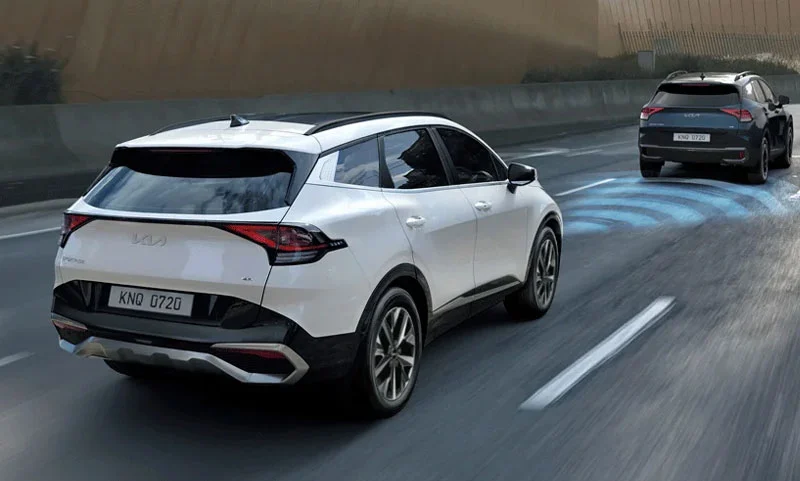
Kia Pakistan has announced a major price reduction for the Sportage L Alpha SUV. The company has lowered the vehicle’s ex-factory price by Rs1 million under a limited-time promotional offer. According to an official customer notice, the Sportage L Alpha now costs Rs7,899,000. Previously, the SUV carried an ex-factory price of Rs8,899,000. The move comes as competition intensifies in Pakistan’s SUV market. Automakers continue to offer discounts and incentives to attract buyers. Sportage L Alpha Receives Rs1 Million Price Cut The company informed customers that the revised pricing will apply to all orders invoiced on or after June 22, 2026. Under the new offer, buyers will save Rs1,000,000 compared to the previous ex-factory price. Variant Previous Ex-Factory Price Revised Ex-Factory Price Reduction Sportage L Alpha Rs8,899,000 Rs7,899,000 Rs1,000,000 In its notification, Kia described the offer as an “exclusive, special offer” available for a limited period. The company thanked customers for their continued support and reiterated its commitment to delivering quality vehicles and services. Terms and Conditions Announced Kia also outlined several conditions attached to the revised pricing. The company stated that all customer orders invoiced on or after June 22, 2026, will qualify for the new ex-factory price. It added that any new duties, taxes or government-imposed charges introduced before vehicle delivery will remain the responsibility of the customer. The automaker also clarified that ex-factory prices exclude freight and insurance charges. According to the notification, the revised price applies to both cash purchasers and customers buying through financing or EMI plans. The announcement follows growing activity in Pakistan’s automotive sector, where manufacturers have recently adjusted prices in response to changing market dynamics, financing trends and evolving consumer demand. Industry observers say such promotional offers could support vehicle sales at a time when auto financing has shown signs of recovery. Recent State Bank of Pakistan data showed that auto financing reached a multi-year high, reflecting improving consumer confidence and easing financing conditions. The latest discount places the Kia Sportage L Alpha among the most competitively priced options in Pakistan’s mid-size SUV segment and may strengthen its appeal among buyers considering premium crossover vehicles. Kia has not announced how long the promotional offer will remain available.
King Charles Breaks Royal Tradition With Historic Tax Disclosure
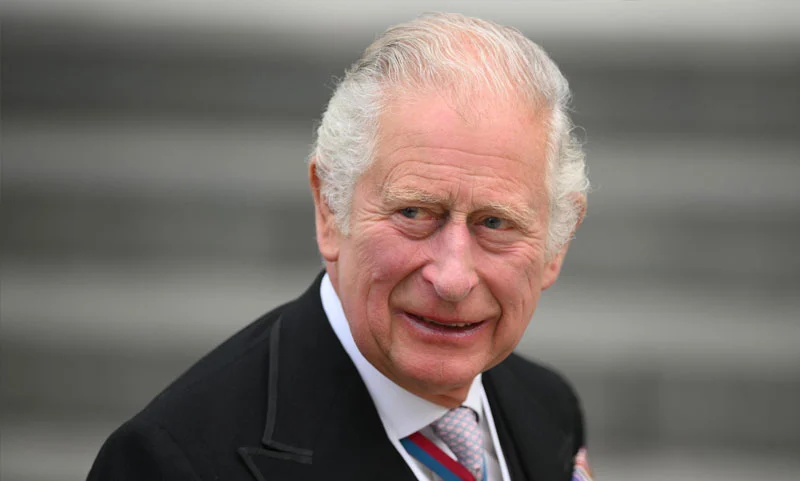
King Charles III will become the first reigning British monarch to publicly disclose the amount of tax he pays, Buckingham Palace confirmed this week. The disclosure will take place on Thursday as part of the annual release of royal financial accounts. Palace officials said the move reflects the King’s commitment to greater transparency and accountability. The decision marks a significant shift in how the monarchy presents its finances to the public. A Buckingham Palace spokesperson said the goal is to “explain all elements of royal finances in a way that further enhances clarity and accessibility”. “To put it simply, we continue to modernise and evolve,” the spokesperson added. The announcement comes amid growing calls for greater openness about royal wealth and public funding. What the Disclosure Will Cover The report will outline King Charles’s tax payments for the 2024-25 financial year. It will include tax paid on income from the Duchy of Lancaster. The estate generated about £26.8 million for the King last year. The disclosure will also cover earnings from Sandringham, Balmoral, personal investments and other private income sources. British law does not require monarchs to pay income tax or capital gains tax. However, Charles voluntarily pays tax on his private income. The Palace will also reveal the total amount he paid. This will be the first time a reigning monarch has made that figure public. Officials said they will publish details for the 2025-26 financial year after completing the audit process. Transparency Drive Gains Momentum The move follows years of public and parliamentary pressure for greater transparency. Lawmakers have repeatedly called for more information about royal finances. Debate intensified after controversies involving Prince Andrew and wider questions about accountability within the royal family. King Charles previously disclosed tax payments while serving as Prince of Wales. His son, Prince William, has continued the practice of voluntarily paying tax on income from the Duchy of Cornwall. Financial records show William received nearly £23 million from the Duchy last year. However, officials have not disclosed the exact amount of tax he paid. The King’s disclosure will appear alongside the annual Sovereign Grant report. The grant funds official royal duties and helps maintain royal residences. The Sovereign Grant reached a record £137.9 million in the latest financial year. Much of the increase supported ongoing refurbishment work at Buckingham Palace. British media reports suggest the Treasury may reduce the grant following a scheduled review. Supporters of the monarchy say greater openness strengthens public trust. While critics argue that taxpayers deserve even more information about royal finances. Regardless of the debate, Thursday’s disclosure will mark a historic first for the British monarchy. For the first time, the public will learn exactly how much tax a reigning monarch pays.
New Hajj 2027 Registration Process Begins Across Pakistan
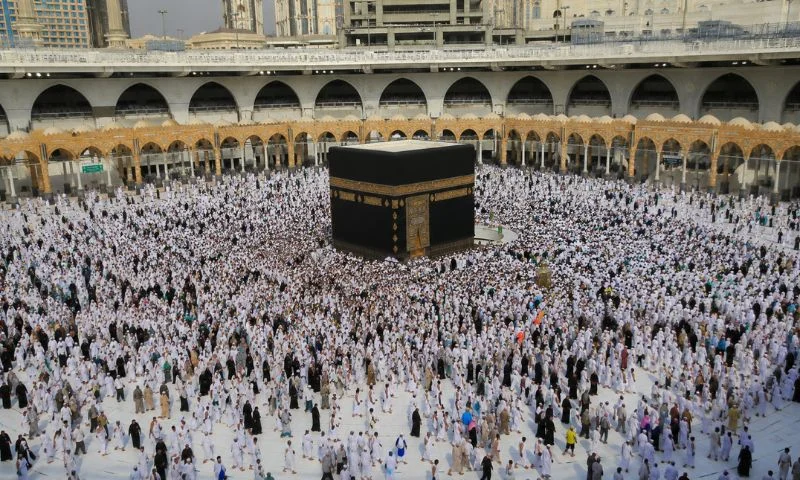
Pakistan has opened registration for Hajj 2027, launching the process nearly a year before bookings begin. The Ministry of Religious Affairs and Interfaith Harmony announced that intending pilgrims can register online from June 22, 2026. Officials said early registration will help authorities plan for the pilgrimage and coordinate arrangements with Saudi Arabia. The ministry urged applicants to complete registration as soon as possible. Only registered individuals will qualify for Hajj 2027 bookings. According to the ministry, applicants can register through its official website. They do not need a passport during the initial registration stage. However, they must submit a passport when they book their Hajj package. Officials said the passport must remain valid until at least November 16, 2027. “Only individuals who complete the registration process in advance will be eligible to proceed with Hajj 2027 bookings,” the ministry said. The ministry added that it will conduct bookings on a “first come, first served” basis. Authorities will continue accepting applications until they fill the available quota. Registration Required Before Booking The government introduced advance registration to improve planning and avoid last-minute complications. Officials have repeatedly advised intending pilgrims to obtain or renew their passports early. They say passport validity remains one of the most important requirements for Hajj applications. The ministry has already begun preparations for Hajj 2027 following the conclusion of Hajj 2026. Registered applicants will later choose between the government Hajj scheme and approved private operators after authorities announce the Hajj Policy 2027. Officials expect the registration drive to provide an early estimate of demand. The data will help them coordinate visas, accommodation, transportation and other logistical arrangements. Pakistan has also expanded digital services for Hajj applicants in recent years. Authorities say the changes have improved transparency and streamlined the process. Quota Remains a Key Factor Pakistan remains one of the largest contributors to the annual Hajj pilgrimage. For Hajj 2026, Saudi Arabia allocated Pakistan a quota of 179,210 pilgrims. Thousands travelled under both government and private schemes. Authorities have not yet announced Hajj 2027 package prices or payment schedules. They will release those details under the upcoming Hajj Policy 2027. For now, officials have a simple message for intending pilgrims. Register early and ensure your passport remains valid beyond November 16, 2027. Demand for Hajj continues to rise every year. Quotas remain limited. As a result, early registration could play a crucial role in securing a place for the 2027 pilgrimage.
Pakistan EV Tax 2026: Which Electric Vehicles Will Be Taxed and Which Remain Exempt?
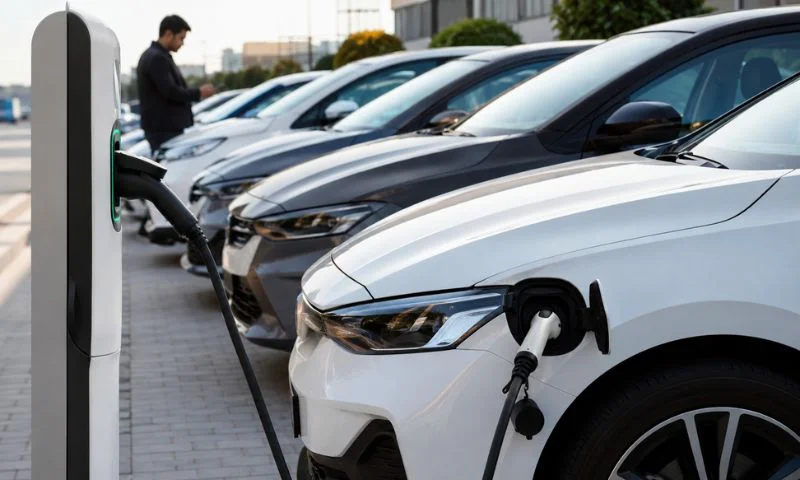
Pakistan’s electric vehicle sector is set for a significant policy shift from July 1, 2026, after the Federal Board of Revenue (FBR) confirmed that luxury electric vehicles priced above $75,000, or roughly Rs20 million, will be subject to Federal Excise Duty (FED). The clarification came during a briefing to the National Assembly Standing Committee on Finance and Revenue as lawmakers reviewed provisions linked to the Finance Bill 2026. FBR officials informed the committee that electric vehicles below the $75,000 threshold would remain exempt from the new duty, while higher-priced models would fall under the tax net. The move places Pakistan among countries that continue to support mass-market EV adoption while imposing additional taxes on premium and luxury electric vehicles. Luxury EVs to Face Duty According to FBR officials, the government intends to maintain incentives for affordable and mid-range electric vehicles while ensuring that high-end imported EVs contribute more to tax revenues. Officials told the committee that electric cars priced up to $75,000, or around Rs20 million, would remain exempt from Federal Excise Duty. Vehicles above that threshold will be taxed from July 1. The proposed framework means that popular lower and mid-tier EVs will continue to enjoy tax advantages, while luxury models will face additional fiscal charges. Industry observers say the policy aims to strike a balance between encouraging cleaner transportation and generating revenue from premium vehicle imports. Pakistan has already identified transport electrification as a key component of its climate and energy strategy. The country’s National Electric Vehicle Policy seeks to reduce fuel imports, lower emissions and increase the share of electric vehicles in future transport sales. The draft New Energy Vehicle Policy also targets a substantial increase in EV adoption by 2030. Lawmakers Raise Concerns Over Infrastructure The proposal triggered debate among committee members, who questioned whether Pakistan’s charging infrastructure and policy environment are ready for wider EV adoption. Committee member Shahida Akhtar highlighted the need for a comprehensive charging station policy and raised concerns about electricity availability. She questioned vehicle functionality under current energy conditions, asking how such vehicles would operate given the country’s power constraints. Read More: Pakistan Moves Closer to Becoming a Regional EV Hub Pakistan Peoples Party lawmaker Sharmila Faruqi called for a clearer and more consistent approach toward the sector. “The government should either promote electric vehicles or avoid creating a luxury category within them,” she said during the discussion. Former foreign minister Hina Rabbani Khar strongly opposed the tax proposal. She argued that electric vehicles already cost more than conventional vehicles and noted that they had previously remained outside the scope of the 30 percent duty. “Electric options carry higher baseline costs than traditional vehicles and previously faced no 30 percent duty,” she said. EV Policy at a Crossroads The debate comes as the Punjab government recently unveiled a Rs57 billion electric vehicle subsidy programme aimed at reducing fuel imports and accelerating EV adoption. Analysts say the success of Pakistan’s EV transition will depend not only on tax incentives but also on charging infrastructure, electricity availability, financing options and policy consistency. While the new tax will primarily affect luxury EV buyers, the parliamentary discussion highlights broader questions about how quickly Pakistan can transition toward cleaner transportation without creating uncertainty for consumers and investors.
Pakistan Sets Sights on 4 Lac Overseas Jobs Ahead of FIFA 2034
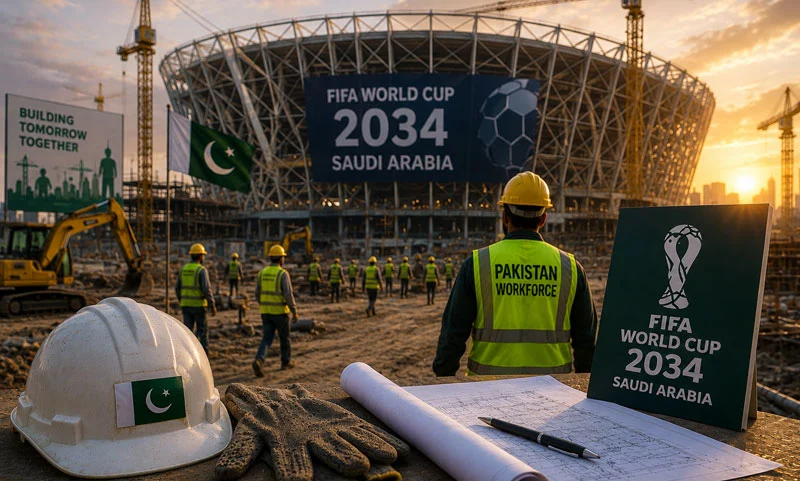
Pakistan is preparing to train and deploy up to 400,000 workers for projects linked to Saudi Arabia’s FIFA World Cup 2034. The initiative forms part of a broader government strategy to expand overseas employment and increase manpower exports. Official documents available with WealthPK show that workforce planning is already aligning with expected demand from World Cup-related projects. Authorities expect opportunities in infrastructure, construction, aviation, tourism and related service sectors between 2026 and 2034. Saudi Arabia’s preparations for the tournament are likely to generate substantial demand for skilled and semi-skilled workers. The programme forms part of Pakistan’s broader strategy to boost manpower exports, improve workforce skills and increase foreign exchange earnings through overseas employment. Saudi Arabia will host the FIFA World Cup in 2034, making it the first tournament to be staged solely in one country in the Middle East since Qatar hosted the event in 2022. The Kingdom’s preparations are expected to involve major investments in stadiums, transport networks, hospitality projects and urban development. Saudi Arabia Remains Top Destination for Pakistani Workers According to the official documents, Saudi Arabia remained the leading destination for Pakistani workers in 2025. A total of 530,256 Pakistanis proceeded to Saudi Arabia during the year, accounting for 69.54 percent of all overseas employment registrations. The Bureau of Emigration and Overseas Employment registered 762,499 workers for overseas jobs during 2025. Since 1972, more than 15 million Pakistanis have secured employment abroad through official channels in over 50 countries. The documents note that over 96 percent of workers travelling through official channels are employed in Gulf Cooperation Council countries, particularly Saudi Arabia and the United Arab Emirates. These workers continue to play a vital role in Pakistan’s economy through remittances, which remain one of the country’s largest sources of foreign exchange after exports. Saudi Arabia’s Vision 2030 programme has created growing demand for skilled labour in infrastructure, construction, logistics and services. Officials expect the FIFA World Cup 2034 preparations to further increase opportunities for Pakistani workers over the coming years. Skills Development and Digital Reforms The government has already intensified efforts to improve workforce readiness. During July-March FY2025-26, 215,719 workers received soft-skills training designed to improve adaptability, productivity and international employability. The documents indicate that Pakistan is also expanding labour mobility partnerships beyond the Gulf region. Under the Pakistan-EU Migration and Mobility Dialogue, authorities have engaged European countries on legal migration and workforce cooperation. Italy has announced a quota of 10,500 seasonal and non-seasonal workers for Pakistan over a three-year period. Germany and Greece have also made progress toward formal labour cooperation arrangements focused on skilled workers. At the same time, the government is modernising the overseas employment process through digital reforms. The Pakistan Emigrant Management Framework is under development and aims to connect 14 stakeholders through integrated online systems. Authorities have also operationalised the Digital HR Pool system, which combines biometric verification, job matching and transparent recruitment mechanisms. The documents state that continued investment in skills development, labour market reforms and overseas employment facilitation will help Pakistan capitalise on emerging global opportunities. Officials believe that higher-skilled workers will not only secure better-paying jobs abroad but also strengthen Pakistan’s long-term economic prospects through increased remittance inflows and international workforce competitiveness. With Saudi Arabia preparing for one of the world’s largest sporting events, Pakistan sees a significant opportunity to position its workforce at the centre of the Kingdom’s ambitious development plans.
NZ Stunned as Salah Leads Egypt to Historic World Cup Win
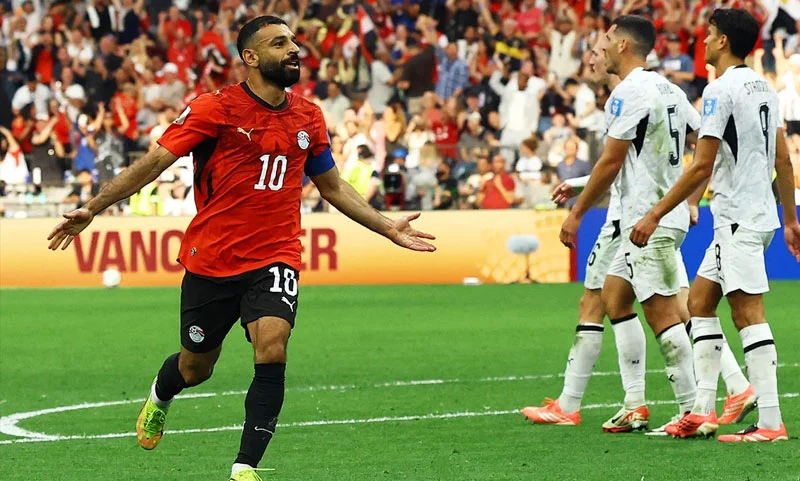
Mohamed Salah inspired Egypt to a historic 3-1 victory over New Zealand on Sunday night, helping the Pharaohs secure their first-ever FIFA World Cup win and move to the top of Group G. The Liverpool star scored the decisive goal in the second half before a packed crowd at BC Place in Vancouver, where thousands of Egyptian supporters celebrated a landmark moment in the nation’s football history. Egypt, appearing in its fourth World Cup and first since Russia 2018, now sits atop Group G. However, the Pharaohs still need at least a draw against Iran in Seattle on Friday to guarantee a place in the knockout stage. Salah’s strike was his 68th international goal and moved him within one goal of equalling Egypt coach Hossam Hassan’s national team scoring record. The forward celebrated by pumping his fist before teammates surrounded him near the corner flag. Fans later gave him a standing ovation when he left the field in the 85th minute. New Zealand Strike First New Zealand made the stronger start and took the lead in the 15th minute. Defender Finn Surman rose highest to meet a corner from Tim Payne and powered a header into the net. The goal marked Surman’s third international strike for the All Whites. The early breakthrough stunned Egypt, which struggled to create clear chances during the opening half. Salah came close in the 35th minute when Omar Marmoush rolled a free kick into his path. The effort drifted narrowly wide and struck the side netting. Egypt also suffered an injury setback before halftime. Midfielder Hamdy Fathy left the field after appearing to suffer an injury away from the ball. Ramy Rabia replaced him before the break. The Pharaohs entered the second half trailing but quickly increased the pressure. Salah Delivers as Egypt Makes History Egypt found the equaliser in the 58th minute through Mostafa Zico. The forward slipped between Surman and Payne before directing a header toward goal. Goalkeeper Max Crocombe got a hand to the ball but could not keep it out. Zico celebrated by urging Egyptian supporters to raise the noise inside the stadium. Mo salah scores to put Egypt up 2-1 🇪🇬 pic.twitter.com/ozb2MM5fHZ— Devin Wills (@Texaspete911) June 22, 2026 Nine minutes later, Egypt completed the turnaround. Zico delivered a clever back-heel pass into Salah’s path, and the captain calmly finished to give Egypt a 2-1 lead. The goal sparked wild celebrations among Egyptian fans and shifted momentum completely in the Pharaohs’ favour. Trezeguet sealed the victory in the 82nd minute with a diving header, ensuring Egypt collected all three points. The result represented a significant milestone for Egyptian football. Egypt participated in the World Cup in 1934, 1990 and 2018 but had never won a match before Sunday’s triumph. Salah scored twice during the 2018 tournament in Russia but could not prevent Egypt from exiting in the group stage. The Pharaohs opened their 2026 campaign with a 1-1 draw against Belgium. Emam Ashour scored early before Romelu Lukaku came off the bench and helped force an own goal. New Zealand entered the contest after a dramatic 2-2 draw with Iran. Elijah Just scored both goals in that match. The All Whites previously appeared at the 2010 World Cup, where they earned three draws but failed to register a victory. Egypt now stands one step away from reaching the knockout rounds, with Salah once again at the centre of the country’s World Cup ambitions.
Major Progress in US-Iran Talks as Mediators Unveil 60-Day Plan
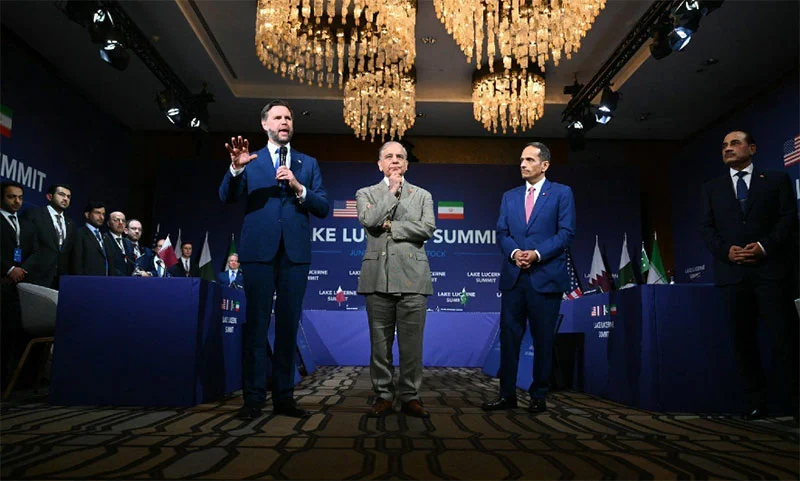
High-level talks between the United States and Iran in the Swiss resort of Bürgenstock concluded on Monday with what mediators Pakistan and Qatar described as “encouraging progress”, including agreement on a roadmap aimed at securing a final peace deal within 60 days. The negotiations took place under the framework of the Islamabad Memorandum of Understanding (MoU), signed last week by US President Donald Trump and Iranian President Masoud Pezeshkian. The agreement seeks to end months of conflict that has rattled the Middle East, disrupted shipping routes and pushed global oil prices higher. In a joint statement, the foreign ministries of Pakistan and Qatar said the first session of high-level talks under the Islamabad MoU ended in a “positive and constructive atmosphere”. “The Lake Lucerne Summit was conducted in a positive and constructive atmosphere,” the statement said. “Encouraging progress has been made including the creation of a mechanism for further technical talks.” Delegations from the US, Iran, Pakistan and Qatar attended the negotiations. Pakistan Prime Minister Shehbaz Sharif and Chief of Defence Forces Field Marshal Syed Asim Munir represented Pakistan during the talks. High-Level Committee Formed as Technical Talks Continue The joint statement said all parties agreed to establish a “High Level Committee” that will oversee the mediation process and provide political direction. It added that chief negotiators would regularly report to the committee while leading working groups on nuclear issues, sanctions and dispute resolution. “The High Level Committee has agreed upon a roadmap toward reaching a final deal within 60 days, laying the foundation for the immediate commencement of further technical talks,” the statement said. The mediators also announced the creation of a direct communication line between the parties. Officials said the channel would help prevent misunderstandings and ensure safe passage for commercial vessels through the Strait of Hormuz. The strategic waterway handles a significant share of global oil shipments and has remained at the centre of tensions since the conflict began. Technical discussions will continue throughout the week at the Bürgenstock resort. “Technical talks will continue for the remainder of the week at the Bürgenstock resort on all issues,” the statement added. The mediators said they would continue efforts to ensure negotiations remain constructive and focused on securing a lasting settlement. Lebanon Remains Key Challenge Despite progress, Lebanon remains one of the most difficult issues facing negotiators. Iran has repeatedly argued that a ceasefire in Lebanon is essential for any broader peace agreement. Fighting between Israel and the Iranian-backed Hezbollah movement continues despite diplomatic efforts. According to Lebanese authorities, Israeli strikes killed 16 people and wounded 12 others in Nabatieh district on Saturday. To address the issue, the parties agreed to establish a “de-confliction cell” involving Lebanon and facilitated by Pakistan and Qatar. The mechanism aims to ensure compliance with the termination of military operations outlined in the Islamabad MoU. Iranian Foreign Minister Seyed Abbas Araghchi described the talks as a significant breakthrough. “Tireless Pakistani and Qatari mediation has delivered major progress to end the Lebanon war,” Araghchi wrote on X. “Oil and petrochemical exports are waived, blockade lifted, some frozen assets released and major reconstruction & development plan launched for Iran.” Tireless Pakistani and Qatari mediation has delivered major progress to end Lebanon War. Oil and petrochem exports are waived, blockade lifted, some frozen assets released, and major reconstruction & development plan launched for Iran. 1st real test: Lebanon deconfliction cell https://t.co/q0okD2qwSO— Seyed Abbas Araghchi (@araghchi) June 22, 2026 “1st real test: Lebanon deconfliction cell.” US Vice President JD Vance, who led the American delegation, said diplomacy offered an opportunity to reshape relations. “What today really represents is the beginning of a technical negotiation that’s not going to solve every disagreement, but is going to allow us to sit together as teams, for the first time really in history, to figure out what matters most to the respective parties, to settle those issues, to solve those issues, and get to a better tomorrow,” he said. Vance added that “peace requires give and take” and stressed that the Trump administration remained committed to a broader regional ceasefire. Trump Threat, Strait of Hormuz Tensions and Regional Stakes The talks took place amid renewed tensions. Hours before negotiations began, Trump warned Iran on social media against supporting Hezbollah activities in Lebanon. “Iran must immediately stop their highly paid proxies in Lebanon from causing trouble. If they don’t, we’ll hit Iran very hard again, just like we did last week, only harder!!!” he wrote. Tensions also resurfaced over the Strait of Hormuz. Iran said on Saturday that it had again closed the route because of Israeli ceasefire violations in Lebanon. US officials disputed that claim, although commercial shipping data showed immediate market disruption. Prime Minister Shehbaz Sharif expressed optimism about the negotiations and praised all parties involved. “We agreed that the next phase of negotiations must continue to be guided by a firm commitment to dialogue, diplomacy, and vigilance against any attempt to undermine the peace process,” he wrote on X after speaking with Saudi Crown Prince Mohammed bin Salman. Pakistani Prime Minister @CMShehbaz: "I must, at this point in time, with fullest sincerity at my domain, thank President Donald Trump for his visionary and very dynamic leadership, which has resulted in this meeting here today… I think here we are going to have wonderful… pic.twitter.com/UYxhUG6PNN— Rapid Response 47 (@RapidResponse47) June 21, 2026 Sharif also praised the Iranian delegation’s approach and expressed hope for stronger regional cooperation. The Islamabad MoU outlines a framework for ending the conflict, reopening the Strait of Hormuz and advancing negotiations on Iran’s nuclear programme. It also envisions a future reconstruction package worth up to $300 billion once a comprehensive agreement is reached. While major differences remain, Monday’s talks produced the clearest sign yet that Washington and Tehran may be moving toward a broader settlement after months of confrontation.
