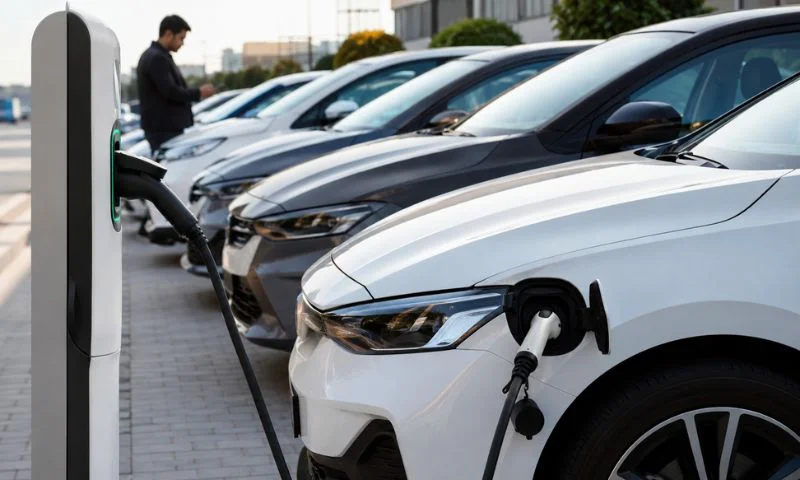
Pakistan’s electric vehicle sector is set for a significant policy shift from July 1, 2026, after the Federal Board of Revenue (FBR) confirmed that luxury electric vehicles priced above $75,000, or roughly Rs20 million, will be subject to Federal Excise Duty (FED).
The clarification came during a briefing to the National Assembly Standing Committee on Finance and Revenue as lawmakers reviewed provisions linked to the Finance Bill 2026. FBR officials informed the committee that electric vehicles below the $75,000 threshold would remain exempt from the new duty, while higher-priced models would fall under the tax net.
The move places Pakistan among countries that continue to support mass-market EV adoption while imposing additional taxes on premium and luxury electric vehicles.
Luxury EVs to Face Duty
According to FBR officials, the government intends to maintain incentives for affordable and mid-range electric vehicles while ensuring that high-end imported EVs contribute more to tax revenues.
Officials told the committee that electric cars priced up to $75,000, or around Rs20 million, would remain exempt from Federal Excise Duty. Vehicles above that threshold will be taxed from July 1.
The proposed framework means that popular lower and mid-tier EVs will continue to enjoy tax advantages, while luxury models will face additional fiscal charges. Industry observers say the policy aims to strike a balance between encouraging cleaner transportation and generating revenue from premium vehicle imports.
Pakistan has already identified transport electrification as a key component of its climate and energy strategy. The country’s National Electric Vehicle Policy seeks to reduce fuel imports, lower emissions and increase the share of electric vehicles in future transport sales. The draft New Energy Vehicle Policy also targets a substantial increase in EV adoption by 2030.
Lawmakers Raise Concerns Over Infrastructure
The proposal triggered debate among committee members, who questioned whether Pakistan’s charging infrastructure and policy environment are ready for wider EV adoption.
Committee member Shahida Akhtar highlighted the need for a comprehensive charging station policy and raised concerns about electricity availability.
She questioned vehicle functionality under current energy conditions, asking how such vehicles would operate given the country’s power constraints.
Read More: Pakistan Moves Closer to Becoming a Regional EV Hub
Pakistan Peoples Party lawmaker Sharmila Faruqi called for a clearer and more consistent approach toward the sector.
“The government should either promote electric vehicles or avoid creating a luxury category within them,” she said during the discussion.
Former foreign minister Hina Rabbani Khar strongly opposed the tax proposal.
She argued that electric vehicles already cost more than conventional vehicles and noted that they had previously remained outside the scope of the 30 percent duty.
“Electric options carry higher baseline costs than traditional vehicles and previously faced no 30 percent duty,” she said.
EV Policy at a Crossroads
The debate comes as the Punjab government recently unveiled a Rs57 billion electric vehicle subsidy programme aimed at reducing fuel imports and accelerating EV adoption.
Analysts say the success of Pakistan’s EV transition will depend not only on tax incentives but also on charging infrastructure, electricity availability, financing options and policy consistency.
While the new tax will primarily affect luxury EV buyers, the parliamentary discussion highlights broader questions about how quickly Pakistan can transition toward cleaner transportation without creating uncertainty for consumers and investors.