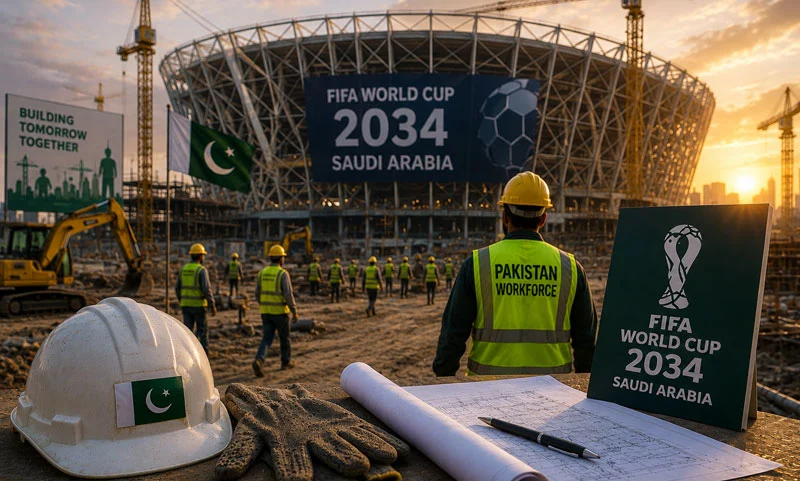
Pakistan is preparing to train and deploy up to 400,000 workers for projects linked to Saudi Arabia’s FIFA World Cup 2034.
The initiative forms part of a broader government strategy to expand overseas employment and increase manpower exports.
Official documents available with WealthPK show that workforce planning is already aligning with expected demand from World Cup-related projects.
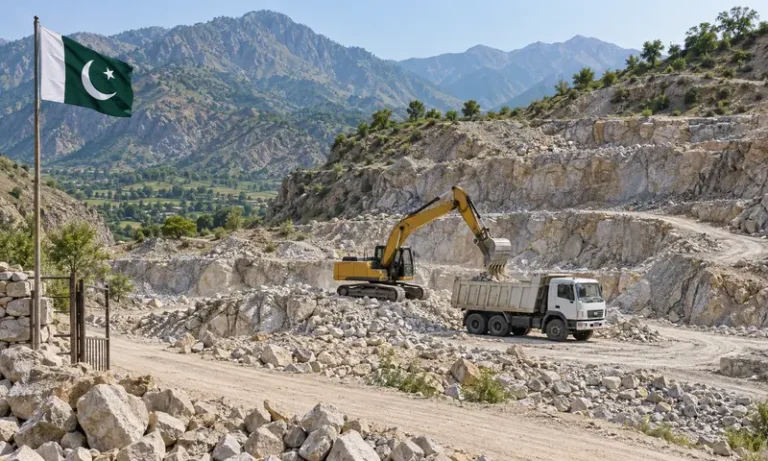
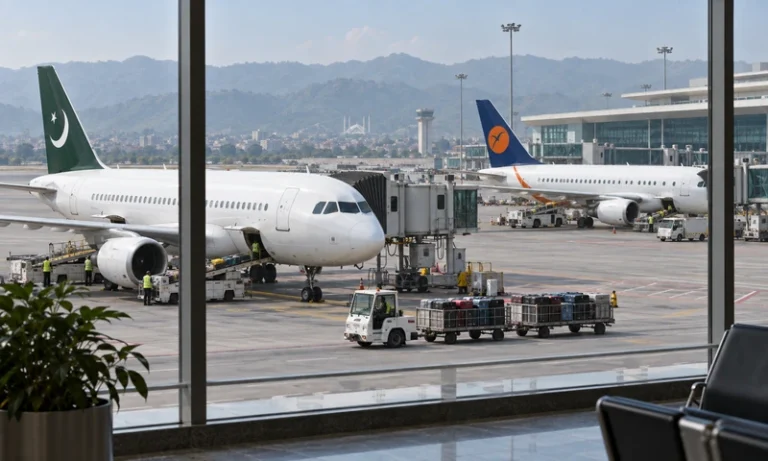
Authorities expect opportunities in infrastructure, construction, aviation, tourism and related service sectors between 2026 and 2034.
Saudi Arabia’s preparations for the tournament are likely to generate substantial demand for skilled and semi-skilled workers.
The programme forms part of Pakistan’s broader strategy to boost manpower exports, improve workforce skills and increase foreign exchange earnings through overseas employment.
Saudi Arabia will host the FIFA World Cup in 2034, making it the first tournament to be staged solely in one country in the Middle East since Qatar hosted the event in 2022. The Kingdom’s preparations are expected to involve major investments in stadiums, transport networks, hospitality projects and urban development.
Saudi Arabia Remains Top Destination for Pakistani Workers
According to the official documents, Saudi Arabia remained the leading destination for Pakistani workers in 2025.
A total of 530,256 Pakistanis proceeded to Saudi Arabia during the year, accounting for 69.54 percent of all overseas employment registrations.
The Bureau of Emigration and Overseas Employment registered 762,499 workers for overseas jobs during 2025.
Since 1972, more than 15 million Pakistanis have secured employment abroad through official channels in over 50 countries.
The documents note that over 96 percent of workers travelling through official channels are employed in Gulf Cooperation Council countries, particularly Saudi Arabia and the United Arab Emirates.
These workers continue to play a vital role in Pakistan’s economy through remittances, which remain one of the country’s largest sources of foreign exchange after exports.
Saudi Arabia’s Vision 2030 programme has created growing demand for skilled labour in infrastructure, construction, logistics and services.
Officials expect the FIFA World Cup 2034 preparations to further increase opportunities for Pakistani workers over the coming years.
Skills Development and Digital Reforms
The government has already intensified efforts to improve workforce readiness.
During July-March FY2025-26, 215,719 workers received soft-skills training designed to improve adaptability, productivity and international employability.
The documents indicate that Pakistan is also expanding labour mobility partnerships beyond the Gulf region.
Under the Pakistan-EU Migration and Mobility Dialogue, authorities have engaged European countries on legal migration and workforce cooperation.
Italy has announced a quota of 10,500 seasonal and non-seasonal workers for Pakistan over a three-year period.
Germany and Greece have also made progress toward formal labour cooperation arrangements focused on skilled workers.
At the same time, the government is modernising the overseas employment process through digital reforms.
The Pakistan Emigrant Management Framework is under development and aims to connect 14 stakeholders through integrated online systems.
Authorities have also operationalised the Digital HR Pool system, which combines biometric verification, job matching and transparent recruitment mechanisms.
The documents state that continued investment in skills development, labour market reforms and overseas employment facilitation will help Pakistan capitalise on emerging global opportunities.
Officials believe that higher-skilled workers will not only secure better-paying jobs abroad but also strengthen Pakistan’s long-term economic prospects through increased remittance inflows and international workforce competitiveness.
With Saudi Arabia preparing for one of the world’s largest sporting events, Pakistan sees a significant opportunity to position its workforce at the centre of the Kingdom’s ambitious development plans.