


The FIFA World Cup has long produced stories that extend beyond football. At the 2026 tournament, one of the most fascinating narratives involves four families whose sons are representing different countries on the sport’s biggest stage. For parents and relatives, national allegiances have become secondary to family pride. Yet the possibility remains that brothers could face each other in matches that carry the highest stakes in international football. “The ultimate test for any parent: two sons lining up on opposite sides of the pitch. Who do you cheer for?” The unusual scenario is not entirely new. Football fans still remember the famous rivalry between half-brothers Jérôme Boateng and Kevin-Prince Boateng, who represented Germany and Ghana respectively. The pair first faced each other at the 2010 FIFA World Cup in South Africa when Germany defeated Ghana in the group stage. Four years later, they met again at the 2014 World Cup in Brazil, creating one of football’s most memorable family stories. Sixteen years later, the possibility of similar encounters remains alive at the 2026 tournament. Williams and Doué Brothers Follow Different Paths The highest-profile sibling story at this year’s World Cup belongs to Iñaki and Nico Williams. Born in Bilbao to Ghanaian parents who migrated to Spain, both brothers developed through the youth ranks of Athletic Club and became stars in European football. However, their international journeys took different directions. Iñaki Williams, 32, chose to represent Ghana and switched allegiance from Spain in 2022. Since then, he has become one of the Black Stars’ most experienced players and a key figure in their attack. His younger brother Nico Williams, 23, opted to remain with Spain. The winger emerged as one of Europe’s most exciting talents and played a crucial role in Spain’s UEFA Euro 2024 triumph. Another family divided by international football is the Doué family. Désiré Doué has rapidly established himself as one of France’s brightest young stars following his breakthrough performances for club and country. His older brother, Guéla Doué, represents Ivory Coast. Although both were born in France, family heritage and personal choices led them down different international paths. The possibility of France and Ivory Coast meeting later in the tournament has added another layer of intrigue. Ghana Features in Two Sibling Stories Ghana appears in two separate sibling rivalries at World Cup 2026. Netherlands striker Brian Brobbey progressed through the Dutch football system and earned his place in the Oranje squad. His older brother Derrick Luckassen chose to represent Ghana, strengthening the African nation’s connection to this unique World Cup subplot. The fourth family involves Harry and John Souttar. Harry Souttar represents Australia through his mother’s Australian heritage and has become one of the Socceroos’ most influential defenders. His brother John Souttar plays for Scotland and remains a key figure in the Scottish national team setup. Football’s increasingly global nature has made such stories more common. FIFA eligibility rules allow players with multiple national connections to represent countries linked through birth, ancestry or residency. As migration and multicultural identities continue shaping modern football, sibling rivalries across national teams may become less unusual. For now, however, the Williams, Doué, Brobbey-Luckassen and Souttar families remain among the most compelling human stories of World Cup 2026. Should the tournament draw align, football fans could witness another unforgettable chapter in the history of brothers divided by flags but united by family.
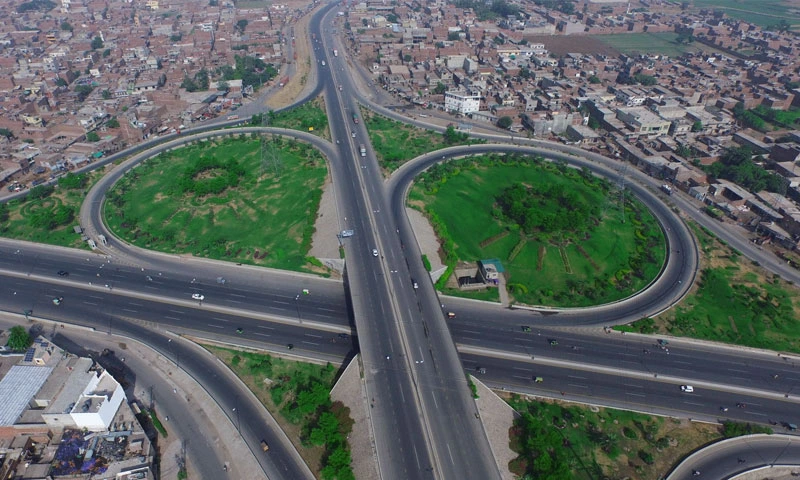
No More Long Queues? Lahore Ring Road Gets Smart Toll Plaza
Punjab has taken another step toward its Digital Punjab initiative with the inauguration of a fully digitalized toll plaza on Lahore Ring Road, aimed at improving traffic flow, enhancing security and modernizing public services. Punjab Minister for Communication and Works Malik Sohaib Ahmad Bharth on Monday formally inaugurated the upgraded Eastern Toll Plaza on Lahore Ring Road. Chairperson Punjab Ring Road Authority Safiullah Gondal, along with senior officials from the Frontier Works Organization (FWO) and One Network, attended the ceremony. The newly digitalized six-lane toll plaza features M-Tag technology, allowing vehicles to pass through without lengthy stops and manual toll collection. Officials said the project would help reduce congestion, shorten waiting times and improve the overall commuting experience for thousands of motorists who use Lahore Ring Road daily. Digital Punjab Vision Moves Forward The project forms part of Chief Minister Maryam Nawaz Sharif’s broader vision of transforming Punjab through technology-driven governance and digital infrastructure. Officials described the toll plaza as an important upgrade for one of Lahore’s busiest traffic corridors. The M-Tag system uses electronic toll collection technology to automate payments and reduce delays at toll booths. Similar systems already operate on Pakistan’s motorway network, where they have helped improve traffic movement and operational efficiency. According to officials, the new system will create a free-flow traffic environment by reducing bottlenecks often caused by manual toll collection. The digital infrastructure will also increase transparency in toll collection and improve operational monitoring. Officials noted that the Eastern Toll Plaza was previously managed by a third-party operator, which often resulted in operational challenges and inconvenience for commuters. The new system places greater emphasis on automation and centralized oversight. Security and Traffic Monitoring Enhanced Beyond traffic management, authorities say the digital toll plaza will strengthen security along Lahore Ring Road. Officials briefed participants that the advanced system can help identify and monitor suspicious vehicles moving through the route. The monitoring capability is expected to support law enforcement agencies and improve surveillance across key entry and exit points connected to the ring road. Lahore Ring Road serves as a major transportation artery linking different parts of the provincial capital. The route also connects commercial zones, industrial areas and residential neighborhoods. Transport experts have increasingly emphasized the importance of intelligent traffic systems as Lahore’s vehicle population continues to grow. The government has recently accelerated efforts to digitize public services across Punjab, including transportation, land records, policing and municipal services. Officials believe digital tolling systems can improve revenue collection, reduce leakages and provide better traffic data for future infrastructure planning. The inauguration of the Eastern Toll Plaza marks one of the latest technology-driven upgrades under Punjab’s digital transformation agenda. Authorities expect the project to improve road user experience while strengthening traffic management and security on one of Lahore’s most important transport corridors.
NCCIA Takes Notice of Social Media Campaign Against easypaisa
Pakistan’s National Cyber Crime Investigation Agency (NCCIA) has launched an inquiry into the alleged spread of false and misleading information targeting easypaisa bank limited, one of the country’s largest digital financial institutions. The investigation follows a complaint filed by easypaisa, which accused certain individuals of circulating content designed to undermine public confidence in the bank and trigger unnecessary panic among customers. The inquiry comes after social media platforms saw a wave of posts over the past two weeks questioning the bank’s financial stability and operational continuity. According to officials familiar with the matter, the NCCIA has assigned the case to a senior officer who has begun proceedings under the Prevention of Electronic Crimes Act (PECA) 2016. The agency will seek to identify individuals involved in creating, publishing and amplifying the content under investigation. easypaisa Rejects Claims as ‘False and Baseless’ The complaint was filed by Naresh Kumar Aruwani, Head of Country Litigation at easypaisa bank limited. He urged authorities to take legal action against those allegedly responsible for spreading misleading information about the bank. Commenting on the issue, Aruwani said the campaign extended beyond reputational damage to a single institution. “The deliberate spread of false information against a regulated financial institution not only harms the institution but also risks undermining confidence in Pakistan’s broader banking ecosystem.” He added that easypaisa remained financially strong and fully operational. Aruwani also expressed confidence that authorities would take appropriate legal action against those responsible. According to the complaint, certain influencers and digital content creators allegedly shared exaggerated claims regarding the bank’s financial health. The content reportedly encouraged customers to withdraw funds and raised concerns about the continuity of banking operations. easypaisa strongly denied those allegations. The bank described the claims as false, baseless and fake news. It reiterated that customer funds remain secure and that all core services continue to operate normally. Digital Banking Giant Seeks Action Against Misinformation easypaisa said some digital services experienced temporary technical disruptions during the relevant period. However, the bank clarified that the issue was operational in nature and did not affect deposits, customer balances or overall financial stability. The institution stated that it resolved the disruption promptly. As Pakistan’s first mobile wallet, easypaisa launched in 2008 and later evolved into a digital bank regulated by the State Bank of Pakistan. Today, the platform serves more than 60 million registered users across the country and plays a major role in promoting financial inclusion. Industry experts have frequently highlighted the growing importance of digital banking platforms in Pakistan’s financial sector, particularly as mobile-based transactions continue to expand. The NCCIA inquiry also reflects increasing regulatory attention on misinformation campaigns that could affect public trust in financial institutions. easypaisa urged customers to rely only on official announcements and verified communications issued by the bank and regulators. The company said it would continue pursuing legal remedies against misinformation while maintaining its commitment to customer protection and operational resilience. The outcome of the inquiry could set an important precedent for how authorities address online misinformation targeting regulated financial institutions in Pakistan.

Viral Video Reveals Disgusting Indian Hotel Practices
A social media video alleging poor hygiene practices inside some of India’s luxury hotels has triggered widespread discussion online, with thousands of users sharing concerns and personal experiences from the hospitality industry. The controversy began after an Instagram user named Arpita posted a video describing what she called “three dirty things” she witnessed while working with several five-star hotels in India. Although she declined to identify any specific hotel brands, Arpita suggested the incidents involved some of the country’s most prestigious properties. “I can’t take names as I have worked with them but think of the top Indian hotels and you will know,” she wrote in the comments section. Her allegations quickly gained traction on social media, where many users expressed shock while others claimed they were not surprised by the incidents she described. The claims have not been independently verified, and no hotel chain has publicly responded to the allegations. Towels, Dishes and Buffet Food The first incident involved hotel bath towels. According to Arpita, she once witnessed a housekeeping employee use a guest’s used towel to wipe a toilet seat before sending the towel to the laundry department. “Carry your own towel, because one time I saw a housekeeping staff take the used towel and wipe the toilet seat with it, and then he gave it away for laundry,” she said. “I don’t know how some of you feel about it, but I find that really gross.” Her second claim focused on dishwashing procedures. Arpita alleged that she observed dishes emerging from a dishwasher with visible food particles and residue still attached. Instead of washing them again, she claimed a staff member wiped them manually and placed them back into circulation. “He just took that and wiped it off, and just kept it for use,” she said. The third allegation involved food preparation practices. According to Arpita, a chef accidentally dropped boiled potatoes onto a kitchen floor while preparing food for a buffet service. She claimed the potatoes were picked up, returned to the tray, transformed into mashed potatoes and later served to guests. “The kitchen floor is very dirty, mind you. He took those potatoes back into the tray, he made mashed potatoes out of it, and then he served it in the buffet,” she said. Industry Standards and Public Reaction The viral claims have reignited discussion about food safety and housekeeping standards in the hospitality industry. Luxury hotels generally operate under strict hygiene protocols, including Hazard Analysis and Critical Control Point (HACCP) guidelines and food safety systems recommended by organizations such as the World Health Organization and national food regulators. Staff training, sanitation audits and routine inspections form a key part of these procedures. Despite those standards, the allegations resonated with many viewers. One user wrote: “As a former student visa holder in Melbourne, I can confirm that’s exactly how hotel housekeeping works! It’s a shame there’s a lack of trust.” Another commenter claimed to have worked in a major international hotel kitchen and described witnessing rats, recycled buffet desserts and poor food handling practices. “I’ve worked in a very big hotel kitchen too. It’s a global chain,” the user wrote. Others responded with humor. “I carry towels and my own food to the hotels. Next time I am planning to take my own room as well,” one user joked. While the claims remain unverified, the viral discussion highlights growing consumer interest in transparency, cleanliness and food safety standards across the hospitality sector.
King Salman Opens Doors to 1,000 International Umrah Guests
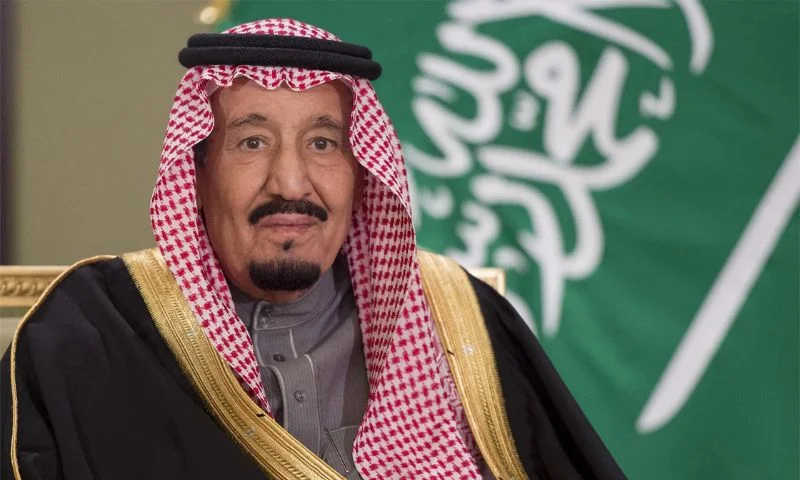
Custodian of the Two Holy Mosques King Salman bin Abdulaziz has approved the hosting of 1,000 male and female Umrah pilgrims from around the world at his personal expense under the Guests of the Custodian of the Two Holy Mosques Program for Hajj, Umrah, and Visit, Saudi authorities announced on Tuesday. The initiative, which the Ministry of Islamic Affairs, Call and Guidance will implement, forms part of Saudi Arabia’s broader efforts to facilitate religious travel and strengthen ties with Muslim communities worldwide. According to the ministry, the program will run in four phases during the Islamic year 1448 AH. The first group will consist of 250 Umrah pilgrims from 16 Asian countries, including Indonesia, East Timor, the Philippines, Malaysia, Cambodia, Thailand, Vietnam, Myanmar, Laos, Singapore, China, Japan, South Korea, Hong Kong, Taiwan and Mongolia. The guests will receive comprehensive services throughout their journey, including travel arrangements, accommodation, transportation, religious programs and guided visits to Islamic landmarks in Makkah and Madinah. The Guests of the Custodian of the Two Holy Mosques Program has become one of Saudi Arabia’s flagship religious initiatives. Since its launch in 1996, the program has hosted tens of thousands of pilgrims, scholars, clerics and influential Islamic figures from more than 140 countries, according to official Saudi data. Strengthening Ties Across the Muslim World Minister of Islamic Affairs, Call and Guidance Sheikh Abdullatif Al-Sheikh welcomed the royal directive and described it as a continuation of Saudi Arabia’s commitment to serving Muslims worldwide. Al-Sheikh expressed his gratitude to King Salman and Crown Prince Mohammed bin Salman for their continued support of the program. He said the leadership’s efforts help Muslims perform Umrah and visit Islam’s holiest sites comfortably and safely. “On the occasion, Minister of Islamic Affairs, Call and Guidance and General Supervisor of the program Sheikh Abdullatif Al-Sheikh expressed his gratitude to the King and the Crown Prince for their continued care and commitment to serving Islam and Muslims, and for their ongoing efforts to enable Muslims from across the world to perform Umrah and visit the holy sites with ease and peace of mind.” Al-Sheikh added that the initiative reflects Saudi Arabia’s broader humanitarian and religious mission. “The initiative reflects the leadership’s dedication to strengthening bonds of brotherhood among Muslim peoples and underscores the Kingdom’s humanitarian and religious mission to build bridges of communication with scholars, clerics, and influential figures across Muslim communities worldwide.” The program has historically targeted Muslims who may not otherwise have the financial means or opportunity to visit the Kingdom, helping them perform religious rites while engaging with scholars and Islamic institutions. Part of Saudi Arabia’s Growing Religious Tourism Strategy The latest announcement comes as Saudi Arabia continues to expand religious tourism under its Vision 2030 strategy. The Kingdom has invested billions of dollars in infrastructure projects around Makkah and Madinah to accommodate growing numbers of pilgrims and visitors. Saudi authorities have also introduced digital services, upgraded transportation networks and expanded capacity at the Grand Mosque and the Prophet’s Mosque. Official figures show that Saudi Arabia welcomed more than 18.5 million Umrah pilgrims during 2024, one of the highest annual totals on record. The government aims to increase that number significantly in the coming years as it seeks to improve visitor experiences and strengthen its role as the spiritual center of the Muslim world. The latest group of guests is expected to arrive in the Kingdom in the coming months as preparations begin for the first phase of the 1448 AH program.
Goodbye Oil Tankers? Pakistan Approves 435km White Oil Pipeline
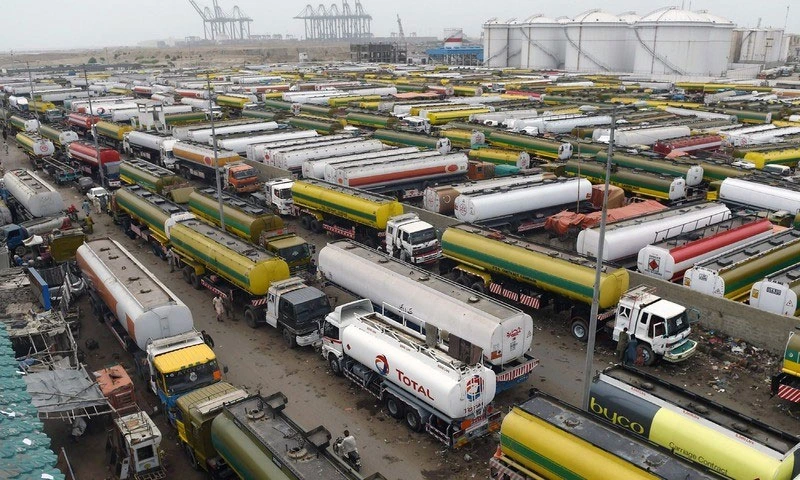
Pakistan has approved a major energy infrastructure project aimed at improving fuel transportation, reducing logistics costs and strengthening the country’s energy security. The Special Investment Facilitation Council (SIFC) announced on Tuesday that it had facilitated the approval of the 435-kilometer Machike-Thallian-Tarru Jabba White Oil Pipeline. The project will transport refined petroleum products from Punjab to Khyber Pakhtunkhwa through a dedicated pipeline network. Officials say the project will create a strategic fuel corridor linking key storage and consumption centers across northern Pakistan while reducing dependence on road-based fuel transportation. The pipeline will connect Machike, a major oil storage and distribution hub near Lahore, with Thallian near Islamabad and Tarru Jabba near Peshawar. “The White Oil Pipeline will establish a vital south-to-north corridor for white oil transportation across Pakistan,” the SIFC said in a statement. White oil refers to refined petroleum products such as petrol, diesel and jet fuel, unlike crude oil. The project forms part of Pakistan’s broader efforts to modernize energy infrastructure as fuel demand continues to grow and transportation costs place increasing pressure on the economy. Reducing Reliance on Fuel Tankers Pakistan currently depends heavily on road transport to move petroleum products between depots and major consumption centers. Industry experts have long argued that pipeline transportation offers a safer, faster and more cost-effective alternative. Fuel transported through pipelines typically experiences lower losses and faces fewer disruptions than road deliveries. The SIFC said the project would improve the efficiency of Pakistan’s fuel supply chain. “Upon completion, the project will improve fuel supply efficiency, reduce reliance on road-based transportation, lower logistics costs, minimize fuel losses, and enhance the overall reliability of the country’s energy supply chain.” The government has increasingly promoted pipeline infrastructure to reduce highway congestion and improve operational efficiency in the energy sector. Analysts say the project could also help reduce environmental impacts associated with thousands of fuel tankers operating on national highways each year. The new corridor is expected to improve fuel availability in northern Pakistan and strengthen supply resilience during periods of high demand. SIFC Pushes Strategic Infrastructure Development The SIFC said the white oil pipeline remained a priority project under its investment facilitation framework. A memorandum of understanding for the project has already been signed under the council’s platform. The council coordinated with federal and provincial stakeholders to secure the approvals needed to move the project forward. Established to accelerate major investments, the SIFC serves as a platform that brings together civilian and military institutions to remove bottlenecks in strategic projects. Officials expect the pipeline to support job creation and attract further investment into Pakistan’s energy sector. The council also believes the project will boost investor confidence by demonstrating Pakistan’s ability to facilitate large-scale infrastructure investments. “The successful facilitation of the White Oil Pipeline reflects SIFC’s continued role in strengthening Pakistan’s business ecosystem, unlocking investment opportunities, and accelerating key infrastructure projects that support sustainable economic growth and national development,” the statement added. Pakistan already operates several major petroleum pipeline networks, including the Karachi-Mahmoodkot pipeline system. However, rising fuel demand and expanding consumption centers have increased the need for additional infrastructure. Energy experts say the Machike-Thallian-Tarru Jabba pipeline could become an important component of Pakistan’s long-term energy logistics network, helping lower costs and improve supply reliability across the country.

Pakistan Launches Rs15 Lakh Loan Scheme for Women
Pakistan has taken a significant step toward expanding women’s financial inclusion after the Securities and Exchange Commission of Pakistan (SECP) approved the country’s first fully digital financing facility designed exclusively for women-led micro, small and medium enterprises (MSMEs). The new financing product, called “Khudmukhtar Khatoon”, will provide Shariah-compliant asset financing ranging from Rs100,000 to Rs1.5 million through a digital platform operated by Walee Financial Services. The initiative aims to address one of the biggest challenges facing women entrepreneurs in Pakistan: access to formal credit. The SECP said women entrepreneurs will be able to complete the entire financing process digitally through a mobile application. The platform will cover application submission, approval, disbursement and repayment. Borrowers will also gain access to an integrated marketplace where they can purchase machinery, equipment and other productive assets needed to grow their businesses. The financing facility will allow repayments in monthly installments over a period of up to one year. Addressing Pakistan’s Gender Financing Gap The launch comes at a time when policymakers and regulators are focusing on increasing women’s participation in the formal economy. Although women-owned businesses continue to grow across Pakistan, many entrepreneurs still struggle to secure financing from traditional banks. Women-led enterprises often operate informally and lack the collateral required by conventional lenders. Many business owners also face difficulties navigating complex banking procedures, forcing them to rely on personal savings or support from family members to expand operations. Industry experts believe easier access to financing could unlock substantial economic potential. “The initiative comes at a time when policymakers are increasingly focused on expanding financial access for women, who remain underrepresented in Pakistan’s formal economy despite their growing participation in entrepreneurship. Industry observers note that limited access to credit has long constrained the ability of women-owned enterprises to scale up operations, create jobs and contribute more meaningfully to economic growth,” said Ahmed Ali Siddiqui, Founding Director of the IBA Centre for Excellence in Islamic Finance (IBA CEIF). He added that women-led startups and enterprises can play a major role in Pakistan’s economic development but continue to face financing challenges. Digital Finance Push Gains Momentum The approval also reflects the regulator’s broader efforts to promote digital finance and strengthen alternative financing channels. According to Siddiqui, Pakistan has made notable progress in financial inclusion. More than 17 million new women-owned bank accounts have been opened since 2021. “Expanding access to Shariah-compliant SME financing, credit guarantees and cash-flow based lending solutions can unlock a significant untapped segment and contribute meaningfully to economic growth, job creation and women’s economic empowerment,” he said. SECP data shows that lending non-banking finance companies (NBFCs) disbursed around Rs7.5 billion to approximately 1.7 million micro and small businesses during the six months ending December 2025. Analysts say the success of Khudmukhtar Khatoon will depend on how effectively it reaches women entrepreneurs outside major urban centres. If widely adopted, the model could help narrow Pakistan’s gender financing gap and create new opportunities for women-led businesses across the country. The initiative also supports broader national goals of increasing financial inclusion, encouraging entrepreneurship and promoting sustainable economic growth through greater participation of women in the formal economy.

Could Your Sweat Score Reveal a Hidden Health Risk?
One of the biggest talking points at the 2026 FIFA World Cup has not been a controversial referee decision or a spectacular goal. Instead, it has been the mandatory hydration breaks that now take place twice during every match. Critics argue the interruptions disrupt the flow of games and provide broadcasters with extra advertising opportunities. Some fans also question their necessity, particularly in air-conditioned stadiums. Yet behind the debate lies a much larger global trend. As climate change drives more frequent and intense heatwaves, hydration has become a growing public health concern. Researchers, health authorities and technology companies are increasingly focusing on how people can monitor their fluid intake and avoid dehydration. “Hydration is a key issue,” said Andreas Flouris, a researcher at the University of Thessaly in Greece. “We definitely see it, from a scientific point of view, gaining more and more attention.” The concern is supported by research. A 2023 study found that one in four adults aged 65 or older in the United Kingdom suffered from dehydration because they did not consume enough fluids. Earlier research led by Flouris assessed 139 workers across Europe and found that 70% were dehydrated at levels that could negatively affect cognitive performance and movement control. Can Technology Tell You When to Drink? The rising focus on hydration has fueled a wave of consumer technology products. Companies now offer devices that monitor sweat, track water consumption and even analyze urine to estimate hydration levels. US-based Epicore Biosystems is among the companies leading the trend. Its wearable sweat sensors measure sweat rate, sodium content and skin temperature. The company’s latest products also calculate a user’s “sweat score” and hydration readiness. “With this new generation of our wearables, we could figure out what type of risk profile you have based on your sweat score,” said Roozbeh Ghaffari, the company’s co-founder and chief executive. Some devices vibrate to remind users when it is time to drink water. Epicore says construction workers, airport ground staff, oil and gas employees and athletes use the technology in high-temperature environments. However, not all scientists are convinced. “Most of these products that we’ve tested do not show the level of accuracy that you would expect,” Flouris said, referring to several sweat-monitoring devices his team has evaluated. He argued that sweat sensors perform better during continuous physical activity such as marathon running but often struggle during sports involving frequent changes in intensity. Ghaffari acknowledged that sweat analysis over short periods “can be challenging” but pointed to peer-reviewed studies supporting the effectiveness of his company’s devices during workouts lasting at least 30 minutes. Smart Bottles and Toilet Sensors Enter the Market Hydration technology extends far beyond wearable patches. Companies such as WaterH sell smart water bottles equipped with sensors that monitor drinking behavior and flash reminders when users need to hydrate. “We try to make it fun,” said Cem Bakiş, WaterH’s head of business development. “You can add friends, you can earn points.” Meanwhile, health technology firm Vivoo has developed a toilet-mounted urine analyzer that estimates hydration levels by measuring urine density through optical sensors. Experts say urine analysis remains one of the most reliable methods for assessing hydration, although changes may not appear immediately after dehydration begins. Tamara Hew-Butler, a researcher at Wayne State University, sees potential benefits in hydration tracking but warns against becoming overly dependent on health metrics. “It’s added some information – but it’s also, I think, added a bit of an emotional burden,” she said. Hew-Butler believes hydration monitoring may prove especially valuable in elite sports, where coaches can identify athletes who are becoming dehydrated before performance suffers. “What technology does is it gives us this immediate result,” she said. As temperatures continue to rise worldwide, the market for hydration technology appears set to expand. The challenge for consumers may be deciding whether they trust their thirst, their smartwatch, or even their toilet.

France Battles Record Heat After Thousands Suddenly Lose Power
A record-breaking heatwave sweeping across Europe caused the first major electricity outage in France this summer, leaving around 68,000 households without power in the western department of Finistere on Wednesday as temperatures continued to soar across the continent. French authorities said the outage stemmed from a transformer failure on the electricity grid and was directly linked to the extreme heat affecting large parts of the country. “The outage, which involved a transformer on the electricity grid, was related to extreme temperatures and did not injure anyone,” the prefecture in the coastal department of Finistere said in a statement. Power crews worked to restore electricity to affected homes as temperatures remained at unusually high levels across western France. The disruption comes as France faces one of the most intense June heatwaves in its recorded history. Meteorologists have warned that several regions could experience temperatures above 40 degrees Celsius, with some areas approaching all-time records for the month. Recent forecasts suggested temperatures could reach between 42 and 45 degrees Celsius in parts of western France. The latest outage highlights growing concerns about the impact of extreme weather on critical infrastructure, including electricity networks that face increased demand and technical stress during prolonged periods of heat. Europe Faces Mounting Pressure From Record Heat The heatwave has stretched far beyond France, affecting much of western and southern Europe. Governments across the region have issued emergency warnings, while transport networks, power systems and public services face mounting pressure. According to weather agencies and local authorities, more than 90 percent of France’s population has been placed under heat alerts in recent days. Several schools have closed or adjusted schedules, while some train services have faced disruptions because of the extreme conditions. Electricity markets have also felt the impact. Increased demand for cooling has pushed power prices higher across Europe, while heat-related disruptions have reduced electricity generation in some areas. French power prices recently climbed above €268 per megawatt-hour as energy systems struggled to cope with soaring demand. France’s nuclear sector has also come under pressure. State-owned utility EDF has reduced output at several reactors after river temperatures rose above environmental limits. Authorities stressed that the measures were precautionary and unrelated to nuclear safety concerns. Climate Concerns Intensify Scientists say heatwaves are becoming more frequent, longer and more intense as global temperatures rise. Europe remains the fastest-warming continent and continues to experience increasingly severe weather events. The current heatwave has already caused widespread disruption across Europe. Authorities have reported heat-related deaths, school closures, transport interruptions and growing concerns about public health, particularly among elderly residents and outdoor workers. In France, officials continue to urge residents to stay hydrated, avoid strenuous outdoor activities during peak temperatures and regularly check on vulnerable family members and neighbours. Wednesday’s outage in Finistere may have lasted only a few hours, but it served as a stark reminder of how extreme heat can quickly test infrastructure that millions rely on every day.

Ronaldo Breaks New Ground in World Cup History at 41
Cristiano Ronaldo etched his name deeper into football history on Tuesday after becoming the first men’s player to score in six different FIFA World Cup campaigns. The Portugal captain reached the milestone during his side’s World Cup clash against Uzbekistan in Houston, finding the net just six minutes into the match. The goal ended weeks of scrutiny surrounding the 41-year-old forward and provided a timely response to critics who questioned his place in Portugal’s attack. Ronaldo reacted quickest inside the penalty area and converted from close range to hand Portugal an early lead. The strike added another remarkable achievement to a career that has already rewritten numerous football records. His first World Cup goal came nearly two decades ago during the 2006 tournament in Germany, when he scored against Iran. Twenty years later, he has now scored in the 2006, 2010, 2014, 2018, 2022 and 2026 editions of football’s biggest tournament. Ronaldo Silences Critics After Difficult Run The historic goal arrived at an important moment for the Portuguese star. Ronaldo entered the Uzbekistan match under pressure after failing to score in Portugal’s opening 1-1 draw against the Democratic Republic of Congo. That result drew criticism from fans and pundits, with many questioning whether the veteran striker could still make the difference on the biggest stage. 𝐂𝐫𝐢𝐬𝐭𝐢𝐚𝐧𝐨 𝐑𝐨𝐧𝐚𝐥𝐝𝐨 at his best. 🇵🇹 pic.twitter.com/C9AFikoNW1 — World Cup Xtra (@WorldCupXtraa) June 23, 2026 The match against Congo also extended a difficult run at major international tournaments. Before Tuesday’s game, Ronaldo had gone 10 consecutive appearances at the World Cup and European Championship without scoring a goal. During that period, he registered only one assist. The drought stood in sharp contrast to the recent performances of global stars such as Lionel Messi, Kylian Mbappe, Erling Haaland and Harry Kane. Portugal coach Roberto Martinez defended Ronaldo after the draw with Congo and insisted his experience remained vital to the team’s World Cup ambitions. A Career Defined by Longevity Ronaldo nearly made history even earlier in the match. Just three minutes after kick-off, he narrowly missed connecting with a cross from Nuno Mendes at the far post. The miss left the veteran visibly frustrated. He slapped the turf before quickly refocusing. Three minutes later, he made no mistake. The goal highlighted the extraordinary longevity that has defined Ronaldo’s career. He made his international debut for Portugal in 2003 and has remained a key figure for more than two decades. The former Manchester United, Real Madrid and Juventus forward now plays for Saudi Pro League side Al Nassr. Despite turning 41 this year, Ronaldo continues to produce at the highest level. He scored 28 goals in 30 league appearances for Al Nassr during the most recent season. His latest World Cup milestone further strengthens his status as one of football’s greatest players. Portugal now hopes Ronaldo’s breakthrough goal will spark a deep run in the tournament as the European side pursues its first FIFA World Cup title. For Ronaldo, however, the night in Houston already secured a place in history. No male player has ever scored in six different World Cups. The Portugal captain now stands alone.
