
Pakistan has approved a major energy infrastructure project aimed at improving fuel transportation, reducing logistics costs and strengthening the country’s energy security.
The Special Investment Facilitation Council (SIFC) announced on Tuesday that it had facilitated the approval of the 435-kilometer Machike-Thallian-Tarru Jabba White Oil Pipeline. The project will transport refined petroleum products from Punjab to Khyber Pakhtunkhwa through a dedicated pipeline network.
Officials say the project will create a strategic fuel corridor linking key storage and consumption centers across northern Pakistan while reducing dependence on road-based fuel transportation.
The pipeline will connect Machike, a major oil storage and distribution hub near Lahore, with Thallian near Islamabad and Tarru Jabba near Peshawar.
“The White Oil Pipeline will establish a vital south-to-north corridor for white oil transportation across Pakistan,” the SIFC said in a statement.
White oil refers to refined petroleum products such as petrol, diesel and jet fuel, unlike crude oil.
The project forms part of Pakistan’s broader efforts to modernize energy infrastructure as fuel demand continues to grow and transportation costs place increasing pressure on the economy.
Reducing Reliance on Fuel Tankers
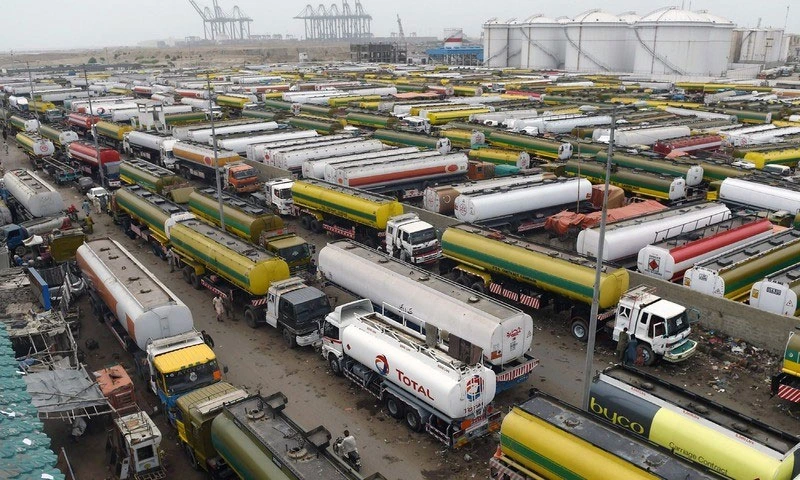
Pakistan currently depends heavily on road transport to move petroleum products between depots and major consumption centers.
Industry experts have long argued that pipeline transportation offers a safer, faster and more cost-effective alternative.
Fuel transported through pipelines typically experiences lower losses and faces fewer disruptions than road deliveries.
The SIFC said the project would improve the efficiency of Pakistan’s fuel supply chain.
“Upon completion, the project will improve fuel supply efficiency, reduce reliance on road-based transportation, lower logistics costs, minimize fuel losses, and enhance the overall reliability of the country’s energy supply chain.”
The government has increasingly promoted pipeline infrastructure to reduce highway congestion and improve operational efficiency in the energy sector.
Analysts say the project could also help reduce environmental impacts associated with thousands of fuel tankers operating on national highways each year.
The new corridor is expected to improve fuel availability in northern Pakistan and strengthen supply resilience during periods of high demand.
SIFC Pushes Strategic Infrastructure Development
The SIFC said the white oil pipeline remained a priority project under its investment facilitation framework.
A memorandum of understanding for the project has already been signed under the council’s platform.
The council coordinated with federal and provincial stakeholders to secure the approvals needed to move the project forward.
Established to accelerate major investments, the SIFC serves as a platform that brings together civilian and military institutions to remove bottlenecks in strategic projects.
Officials expect the pipeline to support job creation and attract further investment into Pakistan’s energy sector.
The council also believes the project will boost investor confidence by demonstrating Pakistan’s ability to facilitate large-scale infrastructure investments.
“The successful facilitation of the White Oil Pipeline reflects SIFC’s continued role in strengthening Pakistan’s business ecosystem, unlocking investment opportunities, and accelerating key infrastructure projects that support sustainable economic growth and national development,” the statement added.
Pakistan already operates several major petroleum pipeline networks, including the Karachi-Mahmoodkot pipeline system. However, rising fuel demand and expanding consumption centers have increased the need for additional infrastructure.
Energy experts say the Machike-Thallian-Tarru Jabba pipeline could become an important component of Pakistan’s long-term energy logistics network, helping lower costs and improve supply reliability across the country.