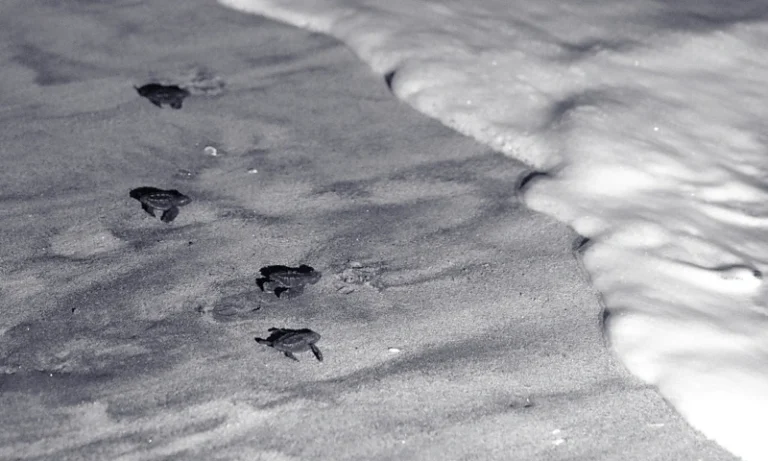


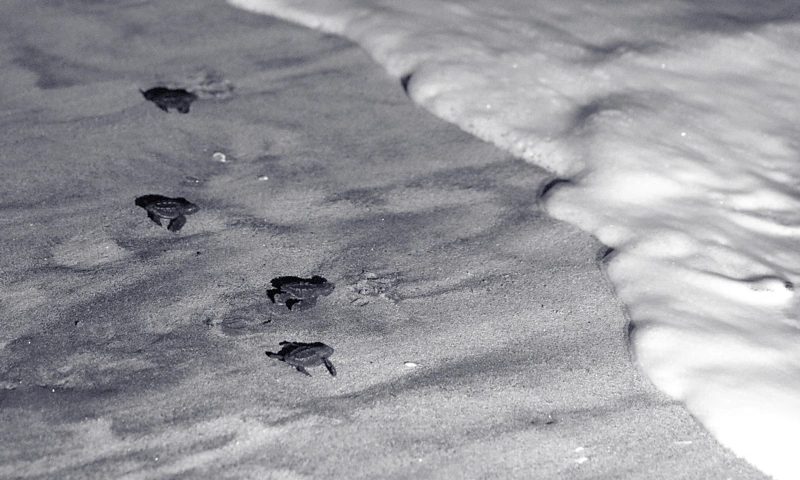
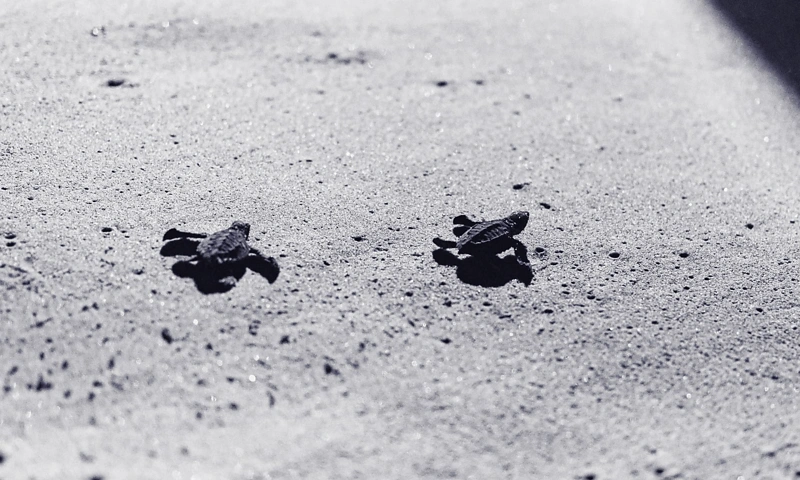
Seventy-five olive ridley sea turtle hatchlings reached the Pacific Ocean over the weekend after a nesting first on the US West Coast. Wildlife teams released 54 hatchlings from the Seal Beach nest on Saturday and 21 from the Huntington Beach nest on Sunday. Both groups entered the water before dawn, nearly two months after their mothers came ashore in Southern California.
“The hatchlings are here! We are excited to share that some of the olive ridley sea turtle eggs from Seal Beach successfully hatched after a 58-day incubation period. Working with our partners, we carefully released them from the beach in the dark early hours of this morning.”
Read More: Meet Veronika: The Cow That Just Changed What We Know About Animal Intelligence
The Aquarium of the Pacific shared that update on Saturday. It announced the second release a day later.
“Even more egg-citing news! A second group of olive ridley sea turtle hatchlings, this time from the Huntington Beach nest, was released into the ocean early Sunday morning.”
Hurricane Polo prompted a move to Long Beach
On September 16, observers watched an olive ridley dig a nest and lay eggs at Seal Beach. NOAA Fisheries confirmed it as the first documented nest of any sea turtle species on the US West Coast. Three days later, a second female nested near Huntington Beach Pier, about eight miles away.
Hurricane Polo threatened both nests with high surf and tides. On September 25, biologists moved 204 eggs to the aquarium’s animal care facility in Long Beach. They collected 104 eggs from Seal Beach and 100 from Huntington Beach. Aquarium staff kept the eggs under sand in incubators and monitored temperature and humidity.
Why did olive ridley turtles nest in California?
Olive ridleys usually inhabit warm waters in the Pacific, Atlantic and Indian oceans. Their known nesting range includes the southern tip of Mexico’s Baja California peninsula. Federal wildlife officials say warmer seas linked to El Niño may have played a role. The aquarium also raised the possibility of a recent tropical storm, range expansion or navigational errors. It noted that the species can readily adapt its behaviour.
“It is not known why these turtles chose southern California beaches as nesting sites, but it indicates an important historical change that could have long-term implications for the species and for local sea turtle management and protection,” the aquarium said.
“The behavior of these turtles was probably influenced, at least in part, by the incoming El Niño, along with the recent tropical storm, range expansion, or perhaps navigational mistakes. The species is also known for its behavioral flexibility.”
Read More: Viral Video Shows Bear Trapped High Above Road on Power Pole
Aquarium president and CEO Jeffrey Flocken described what successful hatching could mean for future generations.
“As animals adapt in unexpected ways to changes in their natural world, humans will need to adapt and make space to ensure endangered and threatened species are given a fighting chance,” Flocken said.
“If they successfully hatch, these baby turtles will likely one day return to nest to carry on future generations on these very same beaches, giving us a remarkable opportunity to help a species expand its range and thrive.”
Researchers recorded a third nest in Ventura County on November 1. Unusually high tides swept away its eggs. Wildlife officials are still asking beachgoers to watch for more nests and report sightings to a lifeguard.