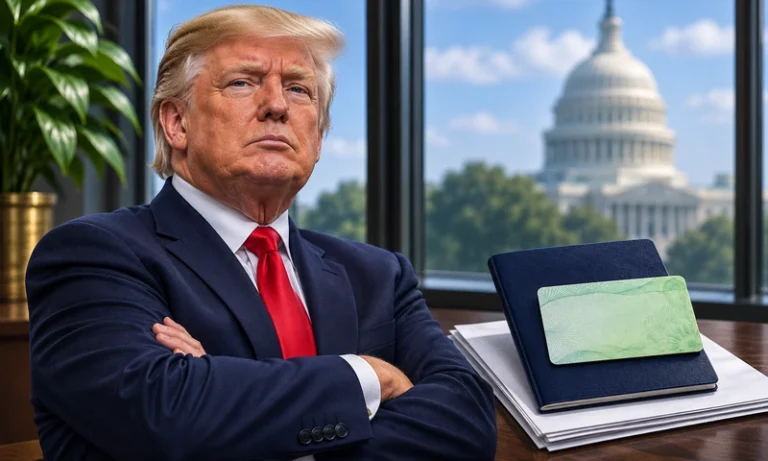
International student enrollment at surveyed US colleges fell 9% this autumn from a year earlier. The number of new students entering the country for the first time dropped 15%, according to a survey. College leaders point to tighter visa restrictions, stricter screening and delays in getting interviews. The figures come as President Donald Trump’s administration seeks tighter limits on student visas and post-graduation work.
US universities face enrollment and tuition pressure
International enrollment at the University of Washington’s Seattle campus fell for a second year, reaching its lowest level in at least a decade. Ohio State University recorded a nearly 13% decline, leaving it with its fewest international students in 16 years. Illinois Institute of Technology plans to borrow up to $200 million from its endowment as overseas enrollment falls.
International students often pay full tuition, helping colleges fund financial aid and services for domestic students. Ohio State spokesperson Benjamin Johnson said their enrollment “strengthens the academic experience”. At Denison University, where international students make up 17% of enrollment, President Adam Weinberg said “we expect pretty steep declines.” Wesleyan University’s international enrollment has held steady, but President Michael Roth said the proposed work fees would put the programme beyond the university’s budget.
Read More: NBP, Habib University Offer Scholarships for 13 Women
Trinity Washington University President Patricia McGuire said immigration enforcement had heightened anxiety among students and staff. She said an international student who suffered an assault near a Washington metro station avoided calling police because she feared deportation. House Education and Workforce Chair Tim Walberg defended the administration’s approach, arguing that colleges should prioritise places for qualified American students.
Trump administration proposes $70,000 work training fee
The Department of Homeland Security has proposed charging universities $70,000 for each initial Optional Practical Training (OPT) recommendation. Subsequent recommendations would cost $30,000 each. OPT lets F-1 students work temporarily in jobs related to their studies and can provide a route to employer-sponsored H-1B status. Education advocates warn that universities could pass the charges on to students. A federal judge separately blocked a rule in September that would generally require students to seek permission to stay beyond four years.
Read More: Wealth University Babsol Deal Targets $10m Revenue by 2027
Administration officials say tighter rules deter fraud and protect US workers. The State Department says qualified students remain welcome and urges applicants to apply early. Secretary of State Marco Rubio has said “a visa is a privilege, not a right.”
Meanwhile, a survey by Studyportals, NAFSA and Oxford Test of English found that half of responding continental European institutions reported higher international undergraduate enrollment. In Asia, 59% reported higher international postgraduate enrollment. NAFSA chief Fanta Aw said getting visa appointments this summer was “even more difficult” than during the pandemic, when first-time international enrollment in the US fell 46%.