
The rapid spread of artificial intelligence tools is fuelling a surge in insurance fraud, with criminals increasingly using AI-generated images and documents to fabricate or exaggerate claims, according to a recent report.
Insurers say the technology is making fraudulent claims harder to detect, as manipulated photos and synthetic evidence can appear highly realistic. The BBC report highlights that some fraudsters are now submitting entirely fabricated claims, supported by AI-altered images of damaged vehicles, stolen items or property losses.
Industry data cited in related reporting shows the scale of the challenge. One insurer recorded a 71 percent increase in fraud cases in 2025, with AI playing a growing role in falsified claims.
‘Convincing but fake’ evidence
Experts say the main concern is not just the volume of fraud, but how believable the evidence has become.
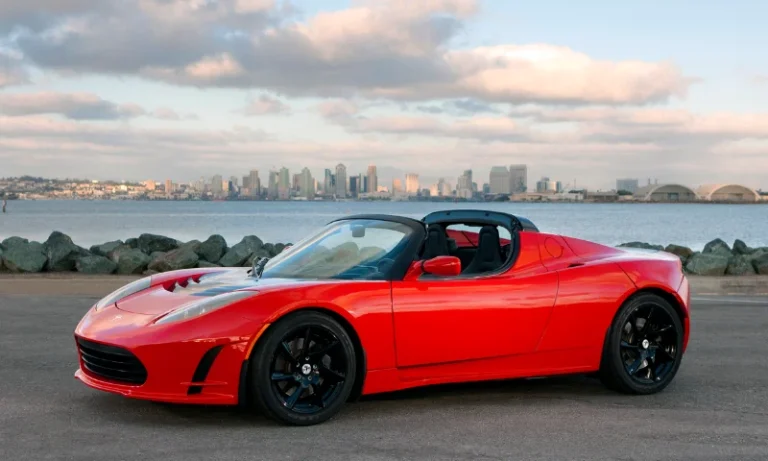
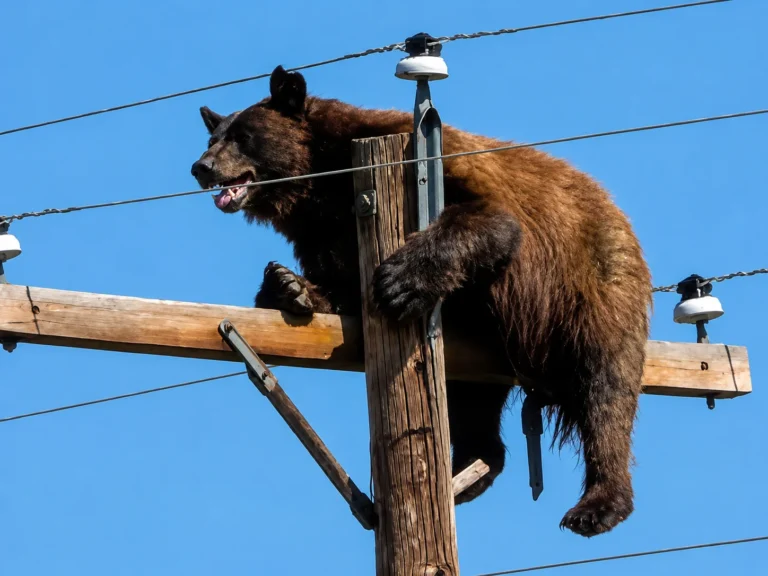
AI tools can now generate or edit images to show damage that never occurred, or exaggerate minor incidents to increase payouts. These images often pass initial checks because they appear authentic at first glance.
Specialists warn that such fraud “does not fail obviously”, meaning it can look credible enough to slip through standard verification processes.
The BBC report notes that both individuals and organised groups are exploiting these tools. Some claimants use AI to enhance legitimate claims, while more sophisticated operations create entirely fake scenarios complete with supporting documentation.
Detection becoming more complex
The rise of AI fraud is forcing insurers to rethink how claims are verified.
Traditional methods such as visual inspection of submitted photos are no longer sufficient, experts say. Instead, companies are investing in advanced detection tools that analyse metadata, identify inconsistencies and flag signs of manipulation.
Red flags can include unusual lighting patterns, repeated image elements, or damage that does not match the reported incident.
At the same time, investigators are increasingly collaborating across the industry to track emerging fraud techniques and repeat offenders.
Impact on consumers
The growing use of AI in fraud is expected to have wider consequences for policyholders.
Experts warn that increased fraud levels can lead to higher insurance premiums, as companies adjust pricing to account for rising losses. It also adds pressure on claims processing systems, potentially slowing down legitimate payouts.
Authorities stress that those caught committing fraud face serious consequences, including claim rejection, policy cancellation and possible criminal charges.
Balancing innovation and risk
The BBC report underscores a broader challenge facing industries adopting artificial intelligence. While AI offers efficiency and convenience, it also creates new opportunities for misuse.
Researchers have long warned that AI systems can be used to deceive by generating realistic but false information, highlighting the need for stronger safeguards and regulation.
Insurers are now calling for a combination of technological solutions, stricter verification processes and public awareness to address the issue.
For now, experts say the key message is clear: as AI tools become more powerful, the line between real and fake evidence is becoming increasingly difficult to distinguish.