companies Apple has agreed to pay $250 million to resolve a class action lawsuit that accused the tech giant of misleading millions of iPhone buyers over the capabilities of its Siri voice assistant.
The settlement, filed on Tuesday and pending court approval, follows claims that Apple exaggerated artificial intelligence features tied to Siri in late 2024. Plaintiffs argued that the company “promoted AI capabilities that did not exist at the time, do not exist now, and will not exist for two or more years” in order to drive iPhone sales.
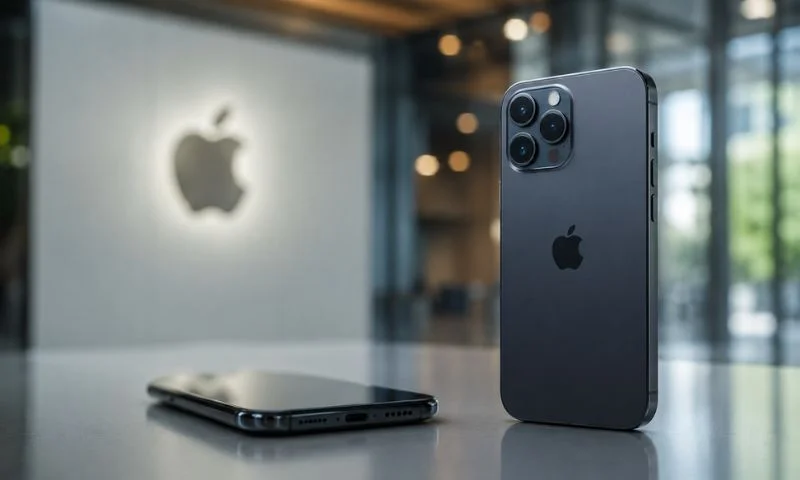
The case covers around 36 million eligible devices sold in the United States between June 10, 2024 and March 29, 2025. These include the iPhone 16 lineup, along with the iPhone 15 Pro and Pro Max models.
Each eligible customer may receive up to $25 per device, though the final payout could reach $95 depending on how many claims are approved.
Advertising claims and regulatory scrutiny
The dispute centered on Apple’s push to position Siri as a next generation AI assistant during its 2024 marketing campaign. The company highlighted advanced features tied to on device intelligence and conversational capabilities, which many users expected to be immediately available.
However, the Better Business Bureau’s National Advertising Division later found that Apple had overstated the readiness of those features. The watchdog concluded that the company falsely suggested the new AI powered Siri was “available now.”
The lawsuit also cited consumer surveys, including one by Morgan Stanley, which showed that “enhanced Siri” ranked as the most anticipated feature among potential iPhone buyers. This heightened expectations and amplified backlash when Apple delayed the rollout.
Apple later confirmed that key Siri upgrades would be postponed indefinitely and removed related advertisements. Industry analysts said the delay reflected broader challenges in scaling generative AI reliably across consumer devices, especially with privacy focused architectures.
Settlement without admission of wrongdoing
Apple denied any wrongdoing but agreed to settle the case to avoid prolonged litigation. “We resolved this matter to stay focused on what we do best: delivering the most innovative products and services to our users,” the company said in a statement to the Financial Times.
The settlement must receive approval from Judge Noel Wise of the Northern District of California. The court has scheduled a hearing for June 17, 2026.
Legal experts say the case highlights rising scrutiny around how technology companies market artificial intelligence features. Regulators in the United States and Europe have increasingly warned firms against overstating capabilities, especially in a rapidly evolving AI landscape.
For Apple, the case comes at a time when competition in AI driven smartphones continues to intensify. Rivals have accelerated their own generative AI integrations, putting pressure on the company to deliver on its promises while maintaining its privacy focused approach.
The outcome of the settlement could also influence how companies advertise future AI features, as they face growing legal and regulatory risks tied to consumer expectations.