The United States has promised what it calls the largest financial offensive ever assembled against an adversary. Iran has responded by threatening to stop all oil exports from the Gulf.
US Treasury Secretary Scott Bessent plans to announce the new sanctions at 1 p.m. EDT, or 1700 GMT, on Monday. The measures will target Iran’s trade partners and countries that maintain economic or financial ties with Tehran.
“At dawn begins an economic D-Day, the single greatest financial offensive ever marshalled against an adversary,” Bessent wrote in a Financial Times opinion piece on Sunday.
Bessent did not disclose the specific measures. However, he warned “fearful nations” against pursuing “appeasement” by continuing business with Iran.
Read More: Pakistan and Iran Agree to Keep Border Trade Open 24 Hours
“They would do well to consider the consequences of sustaining it,” he wrote.
Iran has faced near-continuous US economic sanctions since the 1979 Islamic Revolution. Its economy entered the conflict with high inflation, a weakening currency, energy shortages and deep structural problems.
The six-month conflict has added damaged infrastructure, disrupted trade, falling production and major reconstruction costs. Further sanctions could increase public hardship and fuel renewed unrest.
Iran threatens Gulf oil exports
Mohsen Rezaei, secretary of Iran’s Supreme National Security Council, warned that Tehran could block oil exports across the region.
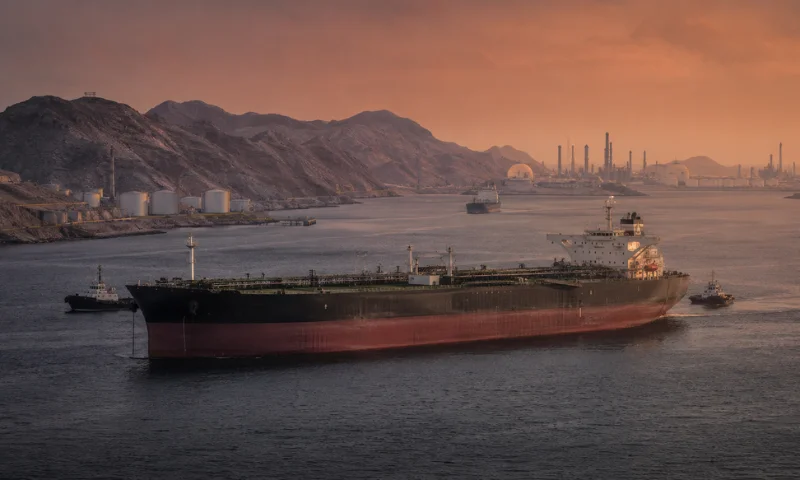
“If the economic war continues, not a single drop of oil will be exported, neither through the Strait of Hormuz nor from anywhere in the Persian Gulf,” Rezaei wrote on social media.
“Iran will regard any country’s participation in or support for America’s economic war against the Iranian people as an act of war.”
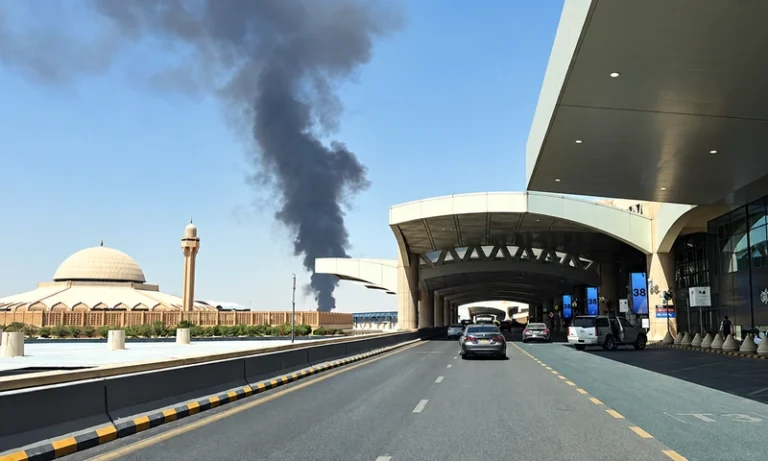
The threat has raised fresh concerns about global energy supplies. Iran still possesses enough missile and drone capacity to threaten Gulf countries and oil tankers.
Read More: $37.5 Billion Spent on Iran War as Trump Seeks $90 Billion More
Shipping through the Strait of Hormuz has already slowed to a near standstill, putting pressure on global fuel prices. The waterway carries a significant share of the world’s traded oil.
Bessent has urged China to cooperate with Washington. He noted that China has historically received half of its oil imports from the Gulf region.
A Chinese Embassy spokesperson said “sanctions and pressure do not help resolve the problem” and called for diplomacy.
Pakistan pushes for diplomatic solution
The United States and Israel began strikes on February 28. The attacks damaged Iran’s conventional military capacity and killed Supreme Leader Ayatollah Ali Khamenei. Thousands have died, mainly in Iran and Lebanon, while millions have faced displacement.
The US has reported 18 military deaths and more than 750 wounded personnel. Washington and Tehran have avoided direct strikes for weeks, but meaningful peace talks remain stalled. Their last official face-to-face talks took place in Switzerland in June.
Qatar, Pakistan and Turkiye have tried to revive diplomacy. Iran said Pakistan’s army chief, Field Marshal Asim Munir, would visit Tehran on Monday.
Read More: Iran-Backed Group Offers Millions for Trump’s Killing
Iranian Foreign Ministry spokesperson Esmaeil Baghaei said the visit would support regional peace and security. A Pakistani government source said Munir would discuss recent developments, including the new US sanctions threat.
The conflict has also left Iran’s nuclear programme under uncertainty. Washington and Israel say they aim to eliminate Tehran’s nuclear capability, while Iran insists its programme serves peaceful purposes.