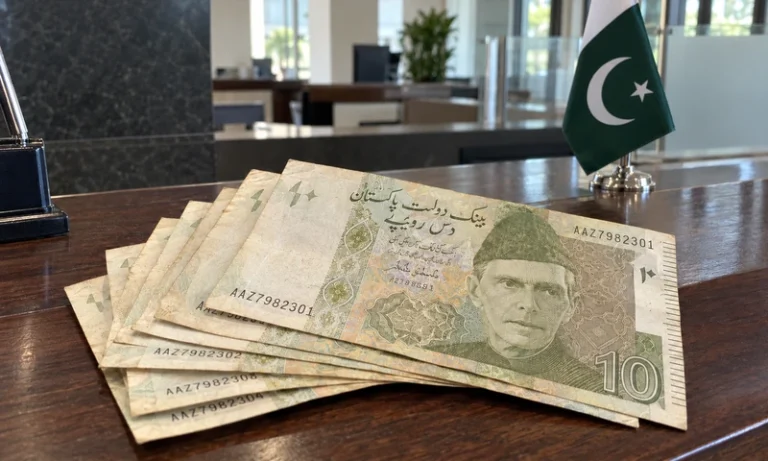
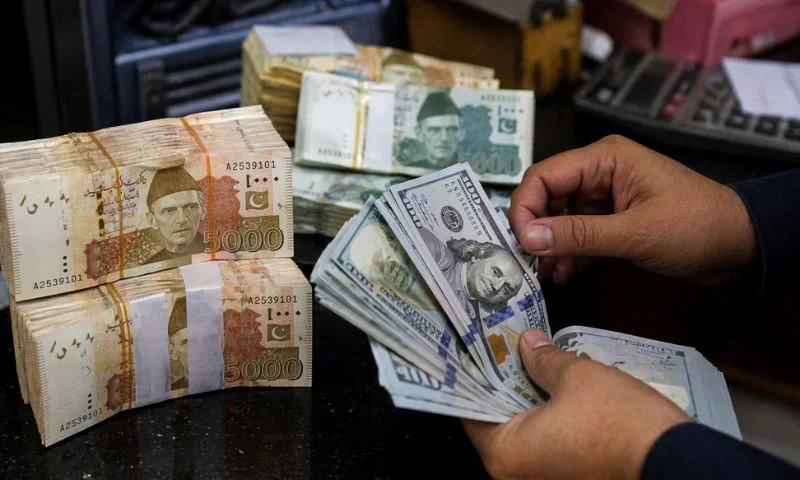
Pakistan has completed a major external debt repayment of approximately Rs345 billion to the United Arab Emirates, the State Bank of Pakistan confirmed, marking a significant step in the country’s ongoing efforts to meet its international financial obligations and stabilize its economy.
A spokesperson for the central bank said the government had repaid $2 billion to the UAE, a deposit that had been held with the SBP and was due for maturity this month. “Pakistan has repaid $2 billion to the UAE,” the official confirmed, underscoring that the transaction was completed as part of routine debt servicing.
The repayment forms part of a broader $3.5 billion obligation to Abu Dhabi, with Islamabad moving to clear the entire amount by late April. The loans had been extended to Pakistan over several years to support its balance of payments during periods of economic stress, particularly since 2018 when foreign exchange reserves came under pressure.
Pressure on reserves and IMF targets
The large outflow comes at a time when Pakistan is attempting to rebuild its foreign exchange reserves under a $7 billion International Monetary Fund programme. The IMF has set a target of pushing reserves above $18 billion by June, a goal that has become more challenging amid heavy repayments.
Pakistan’s reserves have already been impacted by recent external payments, including a $1.43 billion Eurobond repayment earlier this month. The SBP reported reserves around $15 billion in mid-April, reflecting the strain caused by simultaneous debt obligations.
Analysts note that the UAE repayment alone accounts for a sizable portion of Pakistan’s reserves, raising concerns about short-term liquidity. However, officials have maintained that the country is meeting its commitments on time to strengthen investor confidence and maintain credibility with international lenders.
State Bank of Pakistan repaid deposit of US$ 1 billion to Abu Dhabi Fund for Development (ADFD) UAE on 23April2026. Deposits of $2.45 billion were repaid last week. This completes the repayment of total deposits of $3.45 billion to UAE.
— SBP (@StateBank_Pak) April 24, 2026
Gulf support cushions impact
To offset the financial pressure, Pakistan has relied on support from regional allies. Saudi Arabia recently pledged an additional $3 billion deposit and extended an existing $5 billion facility, providing a buffer to Pakistan’s reserves during the repayment cycle.
In some cases, officials confirmed that part of the UAE repayment was facilitated through fresh financing arrangements, effectively replacing older liabilities with new funding lines to manage cash flow.
The UAE deposits had previously been rolled over annually, and later on a monthly basis, before Pakistan opted to repay them in full. This shift signals a move toward reducing reliance on short-term rollovers and improving external debt management.
While the repayment demonstrates fiscal discipline, economists warn that sustained inflows from multilateral and bilateral partners will remain critical in the coming months as Pakistan navigates tight external financing conditions and works toward economic stabilization.