Heart attacks are widely perceived as sudden, unpredictable events, but emerging research suggests that many cases develop silently over time, with warning signs often missed or underestimated by current screening methods.
A recent analysis highlighted in medical reporting shows that widely used risk assessment tools may fail to identify a significant number of people who are actually at risk of a heart attack. Researchers found that nearly half of patients who later suffered a heart attack would have been classified as low or borderline risk shortly before the event.
The findings reinforce a growing scientific consensus that heart attacks rarely occur “out of nowhere,” but instead result from a gradual process involving underlying cardiovascular damage.
Why current tools may miss the warning signs
Doctors typically rely on scoring systems such as the ASCVD risk calculator to estimate a person’s likelihood of developing heart disease over a 10-year period. These tools factor in age, cholesterol levels, blood pressure, and lifestyle indicators.
However, researchers say these population-based models often fail to capture individual risk accurately. “Our research shows that population-based risk tools often fail to reflect the true risk for many individual patients,” said cardiologist Amir Ahmadi.
In some cases, patients who appeared low-risk based on these scores were found to have hidden plaque buildup in their arteries, which can rupture suddenly and trigger a heart attack.
Experts note that the problem lies in the limitations of traditional screening, which may not detect subtle but dangerous changes happening inside the arteries.
Read More: Heart Surgeon Reveals 4 Habits That Can Change Your Life
The role of new technology and AI
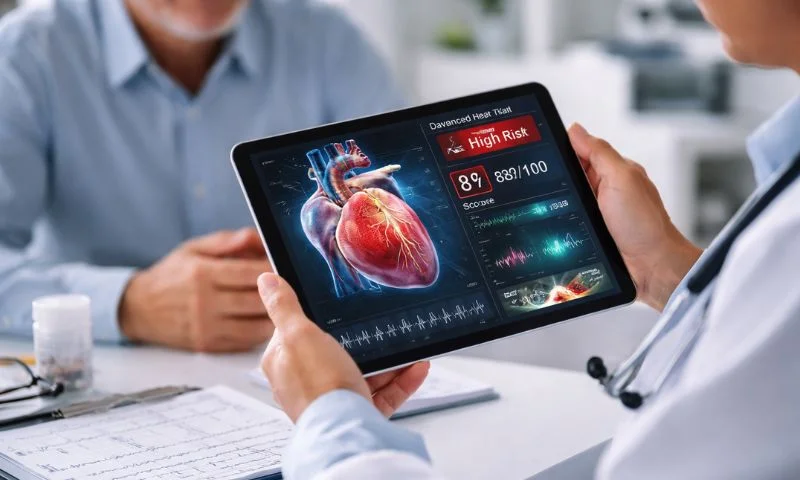
To address these gaps, scientists are developing new tools that use artificial intelligence and advanced imaging to better predict heart attack risk.
Recent studies suggest that AI models can analyse heart scans, medical records, and even biomarkers to identify patterns that human assessments might miss. In some cases, these systems have been able to predict cardiovascular risk years in advance.
Other research shows that AI-based electrocardiogram tools can improve detection of serious heart conditions in emergency settings, reducing missed diagnoses and false alarms.
Researchers say these innovations could represent a major shift in how heart disease is detected and prevented, moving from reactive treatment to earlier intervention.
A gradual process, not a sudden event
Medical experts emphasise that heart attacks often develop over years as fatty deposits, known as plaque, build up inside the arteries, gradually restricting blood flow.
Triggers such as stress, dehydration, or physical exertion may act as the final push, but the underlying damage typically exists long before symptoms appear.
Many patients also experience early warning signs, including chest discomfort, shortness of breath, fatigue, or pain radiating to the arm or jaw. These symptoms are often mild and ignored, contributing to the perception that heart attacks are sudden.
Health experts stress that recognizing these early signals and addressing risk factors such as high blood pressure, diabetes, smoking, and poor diet can significantly reduce the likelihood of a cardiac event.
Read More: Heartburn After Painkillers? Here’s What They Do to Your Stomach
Implications for prevention
The findings highlight the need for improved screening methods and greater public awareness. While existing tools remain useful, experts say they should be supplemented with more personalised assessments and advanced diagnostics.
The shift also underscores the importance of preventive healthcare, including regular checkups, lifestyle changes, and early medical intervention.
As research continues to evolve, scientists believe that better prediction tools could help identify high-risk individuals earlier, potentially preventing thousands of heart attacks each year.