Pakistan has agreed to meet 11 new conditions set by the International Monetary Fund as it seeks approval for the next $1.2 billion tranche under its ongoing bailout programme, adding fresh pressure on the government to push through key economic reforms.
The new conditions were introduced during the latest review of the $7 billion Extended Fund Facility, bringing the total number of conditions imposed on Pakistan over the past two years to around 75, according to officials familiar with the discussions.
The tranche, once approved by the IMF Executive Board, is expected to include roughly $1 billion under the Extended Fund Facility and about $200 million through the Resilience and Sustainability Facility.
Budget approval and fiscal discipline
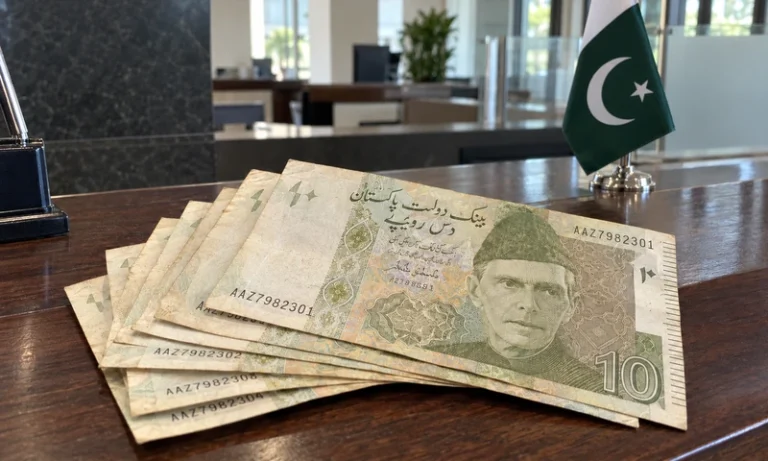
One of the central conditions requires Pakistan’s parliament to approve the fiscal year 2026-27 budget strictly in line with IMF targets. The government has committed to presenting a “fiscally consolidated budget” and avoiding aggressive growth targets in the coming year.
This reflects the IMF’s continued focus on fiscal discipline and revenue generation, as Pakistan struggles with a low tax-to-GDP ratio and external financing pressures.
Officials have indicated that the upcoming budget will prioritise expanding the tax base and limiting expenditure to meet programme benchmarks.
Reforms in economic zones and business climate
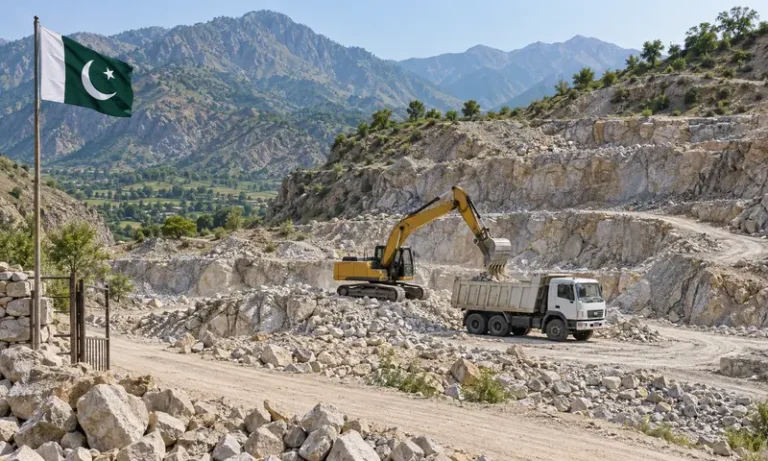
Among the new conditions, Pakistan has agreed to amend laws governing Special Economic Zones and Special Technology Zones. The reforms aim to gradually phase out tax incentives and shift toward a cost-based system by 2035, in line with IMF recommendations.
Authorities have also committed to restricting export processing zones from selling goods in the domestic market, a move intended to improve tax compliance and transparency.
In addition, the government plans to establish a Pakistan Regulatory Registry by 2027 to streamline business regulations and improve the investment environment.
Energy pricing and structural adjustments
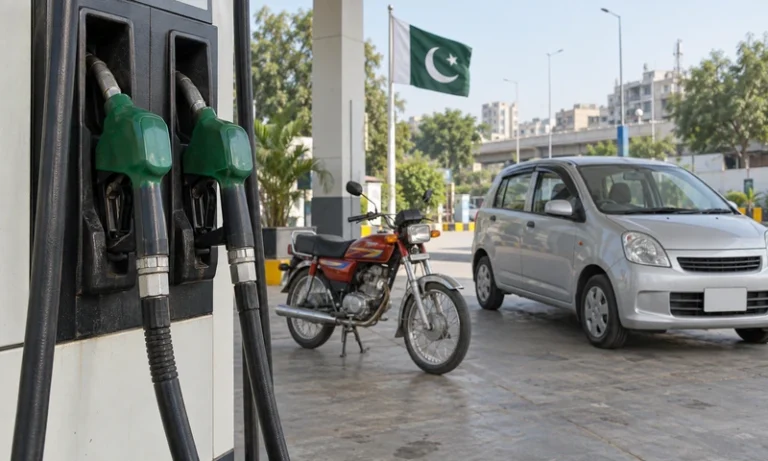
The IMF has reinforced conditions related to energy sector reforms, requiring Pakistan to implement timely electricity and gas tariff adjustments.
These include quarterly tariff adjustments, monthly fuel cost adjustments, and regular gas price revisions to ensure cost recovery and reduce circular debt in the energy sector.
Analysts say these measures could lead to higher utility prices in the short term but are aimed at stabilising the sector financially.
Broader economic context
Pakistan reached a staff-level agreement with the IMF in March 2026 after prolonged negotiations, with the programme seen as critical to maintaining macroeconomic stability.
The IMF has acknowledged improvements in inflation, external balances and market confidence, but warned that global factors such as rising energy prices and regional tensions could pose risks to the outlook.
The upcoming tranche is expected to support Pakistan’s foreign exchange reserves and help manage external financing needs amid ongoing economic challenges.
Challenges ahead
Economists say meeting the new conditions will require politically difficult decisions, particularly in areas such as taxation, energy pricing and subsidy reforms.
While the programme is designed to stabilise the economy, critics argue that repeated conditions may slow growth and increase pressure on households through higher costs.
Still, officials maintain that continued engagement with the IMF remains essential for sustaining financial stability and securing international support.