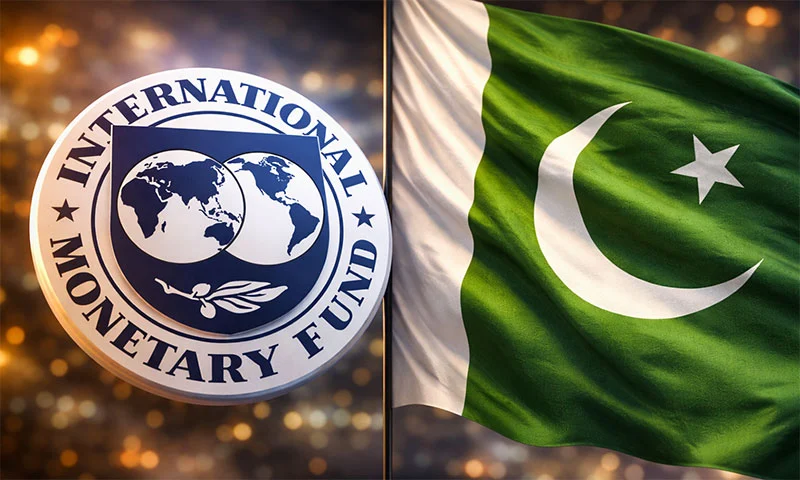
An International Monetary Fund official has outlined key priorities for Pakistan’s upcoming federal budget, stressing the need for stronger revenue mobilisation, tighter expenditure control and continued structural reforms to stabilise the economy under the ongoing bailout programme.
The guidance comes as Islamabad prepares its next fiscal plan amid negotiations with the IMF, with authorities under pressure to meet performance targets tied to the Extended Fund Facility.
Focus on Revenue Expansion and Fiscal Discipline
According to officials familiar with the discussions, the IMF has called on Pakistan to broaden its tax base, improve collection mechanisms and reduce reliance on exemptions in order to meet ambitious revenue targets.
Pakistan’s tax system remains a central concern, with repeated shortfalls in collection raising questions about the sustainability of fiscal plans. Recent reports indicate the country has struggled to meet key revenue benchmarks under the programme, prompting calls for deeper reforms.
The IMF has also emphasised the importance of maintaining fiscal discipline, urging the government to limit non-essential spending and prioritise efficient allocation of resources. The goal is to reduce the budget deficit while maintaining a primary surplus, a core condition of the programme.
Officials have indicated that the upcoming budget will need to strike a delicate balance between stabilisation and growth, ensuring that fiscal tightening does not undermine economic recovery.
Structural Reforms and Growth Strategy
Beyond revenue and expenditure measures, the IMF has highlighted the importance of structural reforms, particularly in the energy sector, state-owned enterprises and governance frameworks.
Experts say improving efficiency in public sector institutions and reducing losses in the power sector will be critical to achieving long-term fiscal sustainability.
The IMF has also stressed the need for policies that support economic growth, including measures to enhance export competitiveness and attract investment. Over the medium term, the Fund expects Pakistan to maintain modest growth while keeping inflation under control and strengthening external accounts.
The broader reform agenda is aimed at building resilience in the economy, with projections suggesting gradual improvements in foreign exchange reserves and a contained current account deficit if policy targets are met.
Budget Challenges Amid Economic Pressures
Pakistan’s upcoming budget will be shaped by multiple challenges, including rising debt obligations, inflationary pressures and the need to provide relief to vulnerable segments of the population.
The government is expected to target higher tax revenues while keeping overall expenditure in check. Estimates suggest a continued focus on fiscal consolidation, with efforts to reduce the deficit and maintain macroeconomic stability.
At the same time, policymakers face pressure to support growth and employment, particularly as the economy recovers from recent shocks. Analysts note that balancing IMF conditions with domestic economic priorities will remain a key test for the government.
The IMF’s latest recommendations underscore the importance of sustained reforms and prudent fiscal management as Pakistan navigates a challenging economic environment.