The Pakistan auto sector is urging the government and the State Bank of Pakistan to remove the Rs3 million ceiling on car financing, saying the existing limit is hindering growth in vehicle sales and weakening the domestic supply chain. The Pakistan Association of Automotive Parts & Accessories Manufacturers (PAAPAM) voiced this call during a high-level visit by Federal Minister for Commerce Jam Kamal Khan to Karachi’s Bin Qasim automotive cluster.
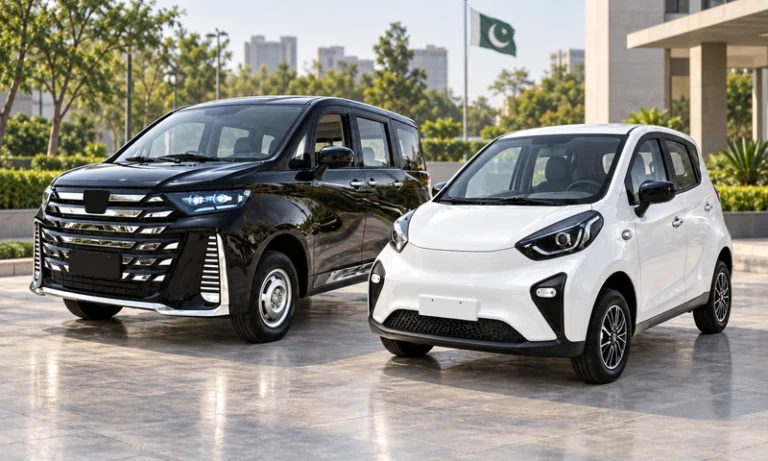
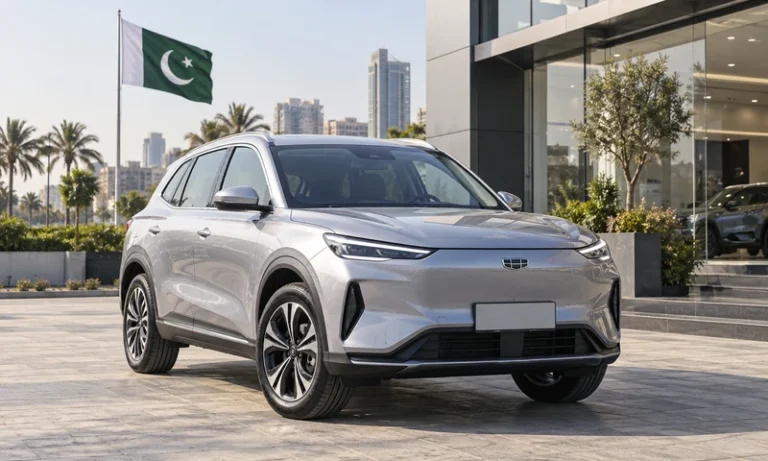
Industry representatives say the financing cap was set years ago when vehicle prices were lower. Today, inflation and rupee devaluation have pushed the cost of many new cars well above Rs3 million, making it difficult for many middle-income buyers to secure loans. This, they argue, limits access to vehicles and suppresses demand for locally assembled cars.
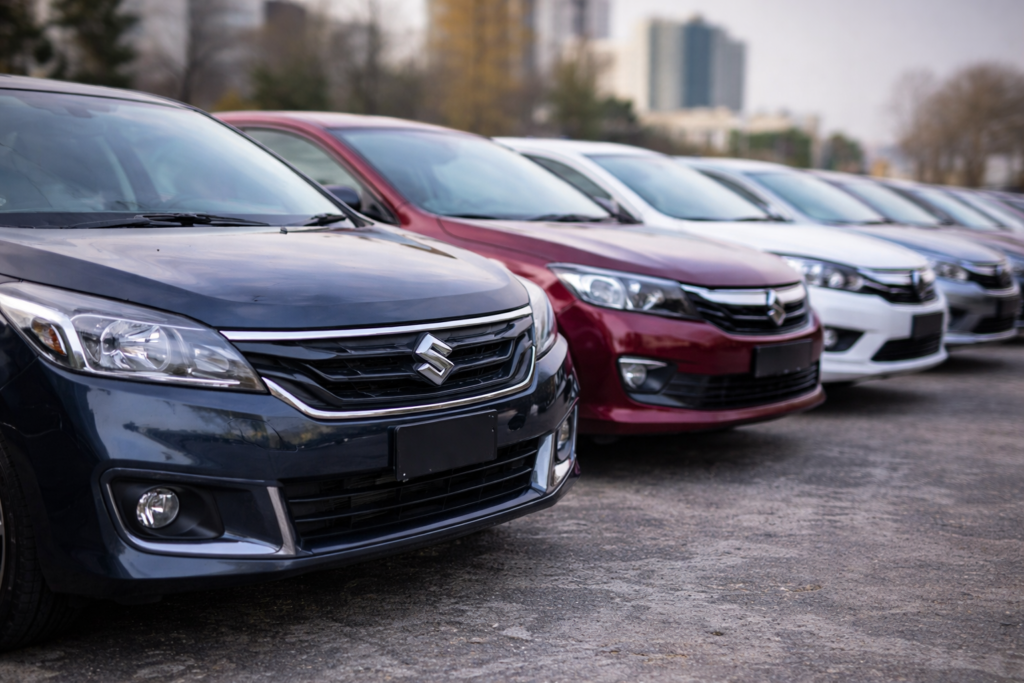
PAAPAM officials explained that easing the financing limit could stimulate higher sales of domestically produced vehicles, helping parts manufacturers and assemblers such as Pak Suzuki, Toyota and Honda. More robust sales would, in turn, support local parts suppliers who depend on steady production volumes to maintain operations and grow.
During the visit, Minister Jam Kamal Khan toured key facilities, including the Tecno Auto Glass Factory and major Pak Suzuki production units. He was briefed on the ongoing efforts to enhance local parts manufacturing and move toward greater indigenisation of automotive components.
The minister expressed satisfaction with the quality of parts being produced locally and highlighted the auto sector’s role as a strategic contributor to GDP growth, technology adoption and employment generation. He also spoke positively about government policies aimed at discouraging the import of used cars, a move the industry believes will shift consumer interest toward new automobiles assembled in Pakistan.
Despite these supportive comments, the decision to lift the Rs3 million cap ultimately lies with the SBP and not the commerce ministry. The central bank has maintained the cap for years as part of efforts to manage the current account deficit by limiting excessive import-led loan demand, especially for high-end vehicles.
Local auto financing has grown significantly in recent years, with total outstanding car loans reaching hundreds of billions of rupees as credit conditions eased and interest rates fell. However, analysts note that while financing has expanded for smaller, affordable models, higher-priced vehicles remain difficult to finance under the current cap.
Industry observers say removing the ceiling could encourage broader consumer access to auto loans, boost vehicle sales, strengthen the auto supply chain, and attract new investment. They also argue that a more flexible financing regime might help Pakistan’s automotive output grow toward its potential, with production currently well below capacity.