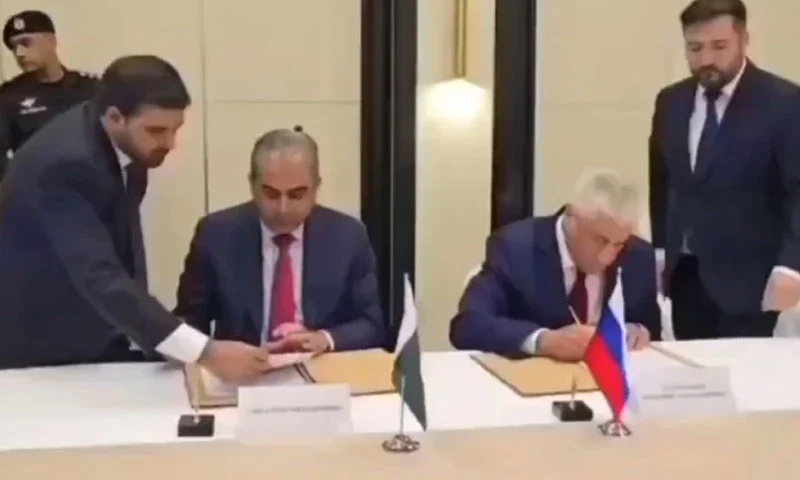
Pakistan’s Interior Minister Mohsin Naqvi held a series of high-level meetings with his counterparts from Russia, Tajikistan, Uzbekistan, Kyrgyzstan and Kazakhstan on the sidelines of the Shanghai Cooperation Organisation (SCO) Interior Ministers’ meeting, advancing Pakistan’s efforts to strengthen regional security cooperation and address shared challenges ranging from terrorism to illegal immigration and narcotics trafficking.
The meetings came as SCO member states continue to expand coordination on security matters amid growing concerns about regional instability, cross-border crime and developments in neighbouring Afghanistan.
A key outcome of the gathering was the signing of multiple agreements between Pakistan and Russia aimed at deepening cooperation between law enforcement and security agencies.
Pakistan, Russia Sign Security Agreements
During talks with Russian Interior Minister Vladimir Kolokoltsev, Naqvi signed agreements covering three major areas of cooperation.
The agreements seek to enhance collaboration against illegal immigration, strengthen mechanisms for the repatriation of citizens residing illegally in both countries and expand joint efforts to combat narcotics trafficking and drug-related crimes.
Interior Minister Mohsin Naqvi held separate meetings with Interior Ministers of Russia, Tajikistan, Uzbekistan, Kyrgyzstan and Kazakhstan in Bishkek. Key agreements were signed during the meeting with Russian counterpart Vladimir Kolokoltsev. pic.twitter.com/EOdKXiAFIE
— The Pakistan Telegraph (@TelegraphPak) June 6, 2026
The development marks another step forward in growing Pakistan-Russia engagement on security and law enforcement matters. In recent years, both countries have increased cooperation in counterterrorism, anti-narcotics operations and regional security initiatives through bilateral channels and multilateral platforms such as the SCO.
Officials described the agreements as part of broader efforts to improve information sharing and operational coordination between relevant authorities.
Naqvi also held a significant meeting with Tajikistan’s Interior Minister Ramazon Rahimzoda. The two sides focused on the security situation in the region, particularly developments in Afghanistan.
According to officials, both ministers expressed concern over terrorist training camps and rising narcotics production inside Afghanistan. They noted that around 25 terrorist organisations currently operate from Afghan territory and continue to pose risks to regional peace and stability.
The concerns reflect long-standing security challenges facing countries bordering Afghanistan. Regional governments have repeatedly called for stronger international efforts to prevent terrorism, drug trafficking and cross-border militancy.
Focus on Long-Term Regional Coordination
Naqvi used the SCO gathering to strengthen institutional links with Central Asian countries and develop long-term frameworks for cooperation.
During his meeting with Uzbekistan’s Minister of Internal Affairs, Major General Aziz Tashpulatov, both sides discussed intelligence sharing and joint training programmes for law enforcement agencies.
The two countries agreed to establish a dedicated working group to improve coordination and streamline cooperation between their interior ministries.
Naqvi also met Kyrgyzstan’s Interior Minister Niiazbekov Ulan Omukanovich. During the meeting, both sides agreed to expand cooperation in areas of mutual interest.
The Pakistani minister congratulated Kyrgyzstan on its election as a non-permanent member of the United Nations Security Council and praised the country’s arrangements for the SCO summit.
In separate talks with Kazakhstan’s Interior Minister Yerzhan Sadenov, the two sides reached a consensus on intensifying efforts against illegal immigration. They also agreed to create a formal working group to strengthen ministerial cooperation.
The meetings highlighted Pakistan’s growing engagement with SCO member states as the organisation places increasing emphasis on regional security, border management, counterterrorism cooperation and efforts to combat transnational crime.
Sources: Ministry of Interior Pakistan, Shanghai Cooperation Organisation (SCO), official government statements, regional security briefings.