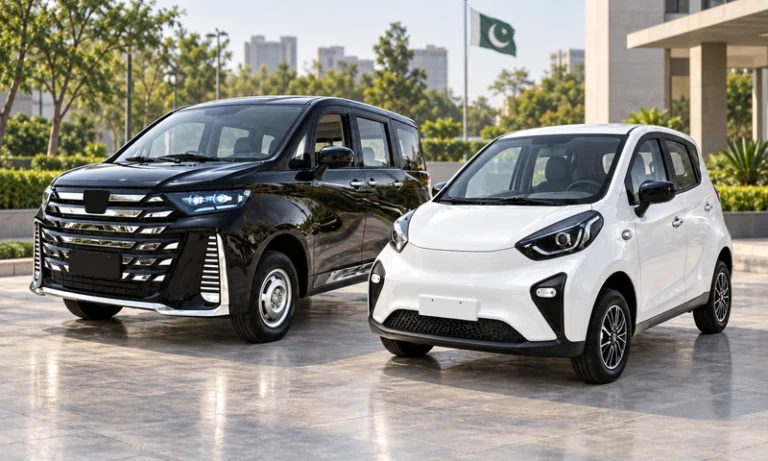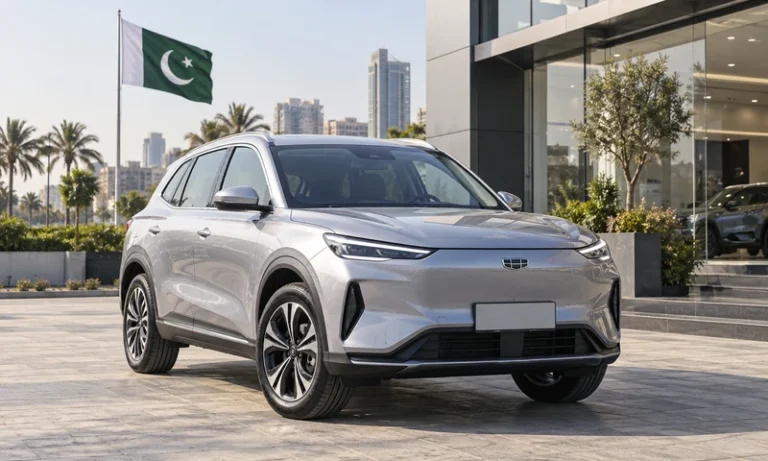
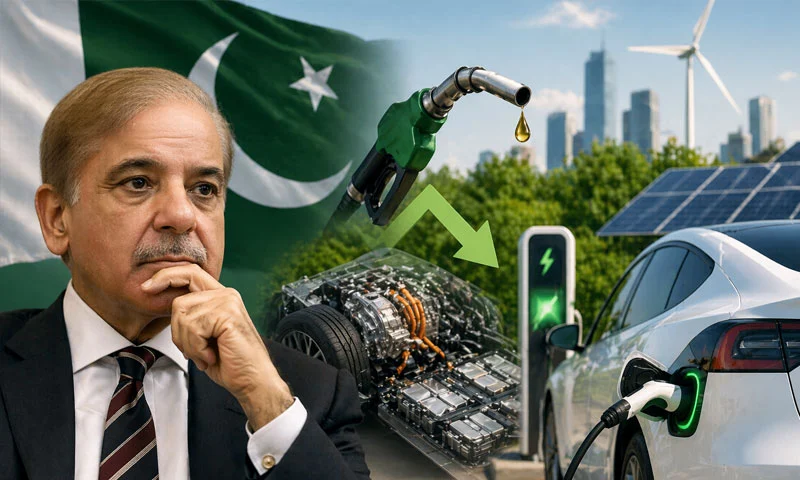
Pakistan is exploring large-scale electric vehicle retrofitting as part of efforts to reduce its fuel import bill, with officials informing Prime Minister Shehbaz Sharif that converting existing vehicles to electric could significantly ease pressure on foreign exchange reserves.
The proposal was discussed during a high-level briefing, where authorities highlighted the potential of retrofitting conventional vehicles with electric powertrains as a cost-effective alternative to importing new electric vehicles.
Retrofitting Strategy to Ease Fuel Burden
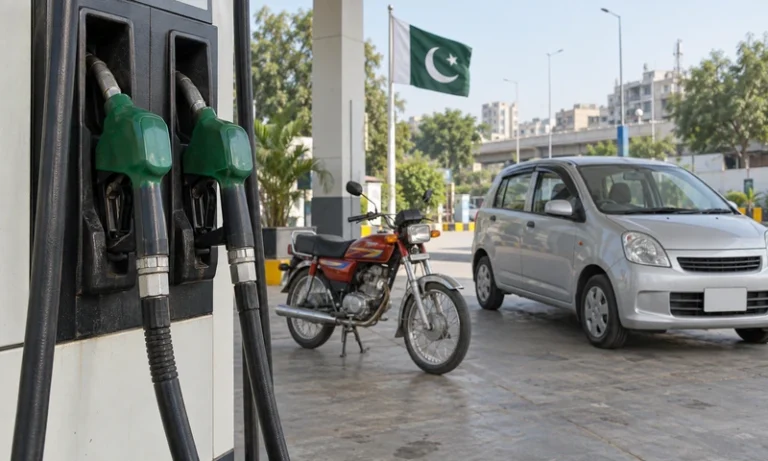
Officials said the initiative could help Pakistan reduce its reliance on imported petroleum products, which account for a major share of the country’s import bill. By converting existing cars, buses and commercial vehicles into electric variants, the country could cut fuel consumption without requiring large-scale replacement of its vehicle fleet.
The prime minister was informed that the plan would not only reduce fuel imports but also lower emissions and operational costs for vehicle owners.
“Electric vehicle retrofitting can play a key role in reducing Pakistan’s fuel import burden while promoting clean energy,” officials said during the briefing.
Authorities are also considering policy support, incentives and regulatory frameworks to facilitate the adoption of retrofitting technology across the country.
Global Shift Toward Electric Vehicles
The move aligns with a broader global transition toward electric mobility. According to the International Energy Agency, global electric vehicle sales exceeded 14 million units in 2023, accounting for nearly one in five new cars sold worldwide. This figure is expected to grow further as governments introduce stricter emissions standards and incentives for clean transport.
Countries such as China, the United States and members of the European Union are rapidly expanding EV adoption, supported by infrastructure development and policy backing. In China alone, EVs make up more than 30 percent of new car sales, while Europe has also seen steady growth in electric mobility.
Experts say the transition to EVs has already begun to reduce oil demand in several markets. The IEA estimates that widespread EV adoption could displace millions of barrels of oil per day globally by 2030, significantly lowering fuel consumption and import dependence for many countries.
For developing economies like Pakistan, adopting EVs and retrofitting solutions could provide a practical pathway to achieve similar benefits without the high upfront costs associated with new electric vehicles.
Economic and Environmental Impact
Officials noted that EV retrofitting could generate economic benefits by creating new industries focused on conversion technology, battery systems and maintenance services.
The initiative is also expected to support Pakistan’s climate goals by reducing carbon emissions and improving air quality in urban areas, where pollution levels remain high.
Analysts say the success of the programme will depend on infrastructure development, including charging networks, as well as financial incentives to make retrofitting affordable for consumers.
The government has already introduced policies to promote electric vehicles, including tax incentives and import duty reductions, as part of its long-term strategy to transition toward cleaner energy.
As global momentum toward electric mobility continues to build, Pakistan’s focus on EV retrofitting reflects a pragmatic approach to reducing fuel dependency while embracing sustainable transport solutions.