

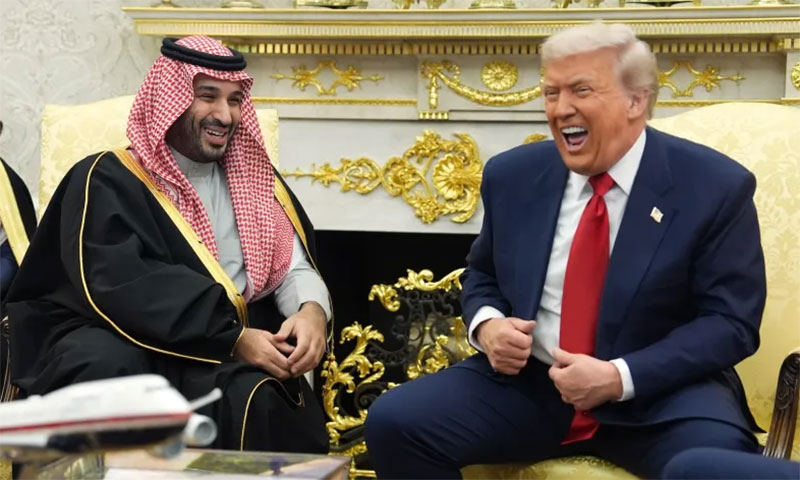
The United States has approved a proposed $1.96 billion weapons sale to Saudi Arabia, aiming to strengthen the Kingdom’s air defence capabilities as tensions escalate across the Middle East. The US State Department announced the decision on Wednesday, saying the package supports both American foreign policy objectives and Saudi Arabia’s ability to counter current and future security threats. The proposal will now move to the US Congress for review before the sale can be finalised, a standard requirement under the US foreign military sales process. Read More: Saudi Arabia Introduces One-Stop Tourist Visa for Seven Countries In a statement, the State Department said, “This proposed sale will support the foreign policy and national security objectives of the United States by improving the security of a Major non-NATO Ally that is a force for political stability and economic progress in the Gulf Region.” Saudi Arabia has requested up to 20,000 Advanced Precision Kill Weapon Systems (APKWS) along with associated warheads. According to the US Navy, the APKWS is “an inexpensive way to destroy targets while limiting collateral damage in close combat.” The principal contractor for the deal will be BAE Systems, based in Nashua, New Hampshire. Sale comes as regional tensions continue to rise The approval comes at a time of growing instability across the Middle East. Saudi Arabia appears to face renewed threats from Yemen’s Iran backed Houthi movement after missiles targeted Abha International Airport in southern Saudi Arabia earlier this week. According to reports, the Houthi attack followed a strike by Yemen’s internationally recognised government on Sanaa airport. The operation reportedly aimed to divert a flight carrying a Houthi delegation returning from the funeral of Iran’s supreme leader. The Houthis blamed Saudi Arabia for the airport attack, further increasing tensions. Read More: Saudi Arabia, Pakistan Sign Deal to Build Cricket Stadium in Jeddah The announcement also coincides with a broader escalation between the United States and Iran. Washington has intensified military operations against Iranian targets and recently reimposed a naval blockade, adding to concerns over a wider regional conflict. Focus on air defence and interoperability The State Department said the proposed sale would significantly improve Saudi Arabia’s ability to defend its territory while strengthening military cooperation with American and allied forces. It stated, “The proposed sale will improve Saudi Arabia’s capability to deter current and future threats by strengthening its homeland defence, and improving interoperability with US forces, and other regional and Nato forces.” The package includes guidance systems, launch equipment, logistics support, training, spare parts and technical assistance designed to improve operational readiness. Read More:Trump Rejects Senate Vote to End Iran War, Calls It ‘Meaningless’ Washington also emphasised that the sale would not weaken US military preparedness. The State Department said, “There will be no adverse impact on US Defence readiness as a result of this proposed sale.” Saudi Arabia remains one of Washington’s closest security partners in the Gulf and has invested heavily in modernising its armed forces in recent years. US officials argue that strengthening Saudi air defences will help counter evolving missile and drone threats while supporting regional stability during a period of heightened geopolitical uncertainty.
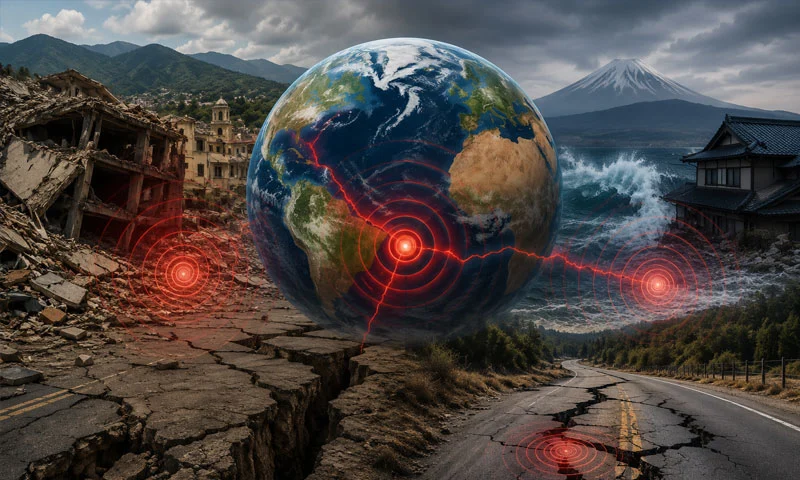
Were the Venezuela, Japan and California Earthquakes Connected
A series of powerful earthquakes reported across Venezuela, Japan and the United States within a span of hours has prompted questions about whether the events were connected. However, according to seismologists and reports citing earthquake experts, there is no scientific evidence linking the tremors. According to multiple media reports, the strongest activity occurred between June 24 and June 25, when major earthquakes struck parts of Venezuela, Japan and northern California. Earthquakes worldwide today times M5.6 California – 8:10 AMM7.2 Venezuela – 3:04 PMM7.5 Venezuela – 3:05 PM M6.9 Japan – 3:30 PM What is happening?— Ethan Levins ✝️ (@EthanLevins2) June 25, 2026 The close timing of the events fueled speculation on social media that they might have been part of a wider global geological phenomenon. Experts, however, say the earthquakes occurred independently in different tectonic settings separated by thousands of kilometres. Major Earthquakes Reported Across Three Continents According to reports, the first major earthquake struck near Moron in Venezuela’s Yaracuy state at around 3:34am IST on June 25. The quake measured magnitude 7.2. Reports said a stronger magnitude 7.5 earthquake struck the same region only minutes later. Several news outlets described the earthquakes as among the strongest to hit Venezuela in more than a century. They reported collapsed buildings, widespread panic and rescue operations across affected areas. FUERTE SISMO EN CARACAS VENEZUELA#Sismo #Terremoto #Temblor #Venezuela #earthquake pic.twitter.com/Nxl0EYoBBR — Tendencia en X HOY (@TendenciaenXHoy) June 24, 2026 Reports also said the earthquakes killed at least 32 people and injured dozens more. Authorities continued rescue operations, and officials warned the death toll could increase. Roughly 30 to 40 minutes later, according to reports, a magnitude 7.2 earthquake struck off Japan’s Iwate Prefecture in the country’s northeast. Some reports later revised the magnitude to 6.9 based on updated seismic assessments. Authorities reported strong shaking but no major damage or fatalities. Earlier on June 24, at about 8:40pm IST, a magnitude 5.6 earthquake reportedly struck near Redwood Valley in Mendocino County, northern California. According to reports, the California earthquake caused minor injuries and localized power outages but no deaths. Experts Say Timing Was Coincidental According to seismologists cited in multiple reports, the earthquakes were not connected despite occurring within hours of each other. Experts explained that Venezuela sits along the boundary between the Caribbean and South American tectonic plates, where the plates slide past one another. Japan lies on the Pacific Ring of Fire, one of the world’s most active seismic zones, where the Pacific Plate subducts beneath surrounding plates. California’s earthquake, meanwhile, originated within the San Andreas Fault system. WATCH: Moment powerful 7+ magnitude earthquake (terremoto) causes major damage at Caracas Airport, Venezuela pic.twitter.com/2kd7oNFxbs— Rapid Report (@RapidReport2025) June 24, 2026 Scientists said a major earthquake can produce extremely small stress changes on distant faults around the world. However, those changes are generally far too weak to trigger another earthquake thousands of kilometres away. Experts also noted that earthquakes measuring magnitude 6 or higher occasionally occur on the same day without sharing a common cause. According to researchers quoted in the reports, Earth experiences thousands of earthquakes every day. Most are too small for people to notice. They added that there is no credible scientific evidence of a global triggering mechanism connecting these reported earthquakes. Instead, experts described the near simultaneous timing as a coincidence rather than a coordinated geological event. Scientists are expected to continue studying the reported earthquakes, particularly the Venezuela sequence, to better understand their characteristics and long-term implications. However, based on current scientific understanding, experts say the events do not indicate a linked worldwide seismic phenomenon.
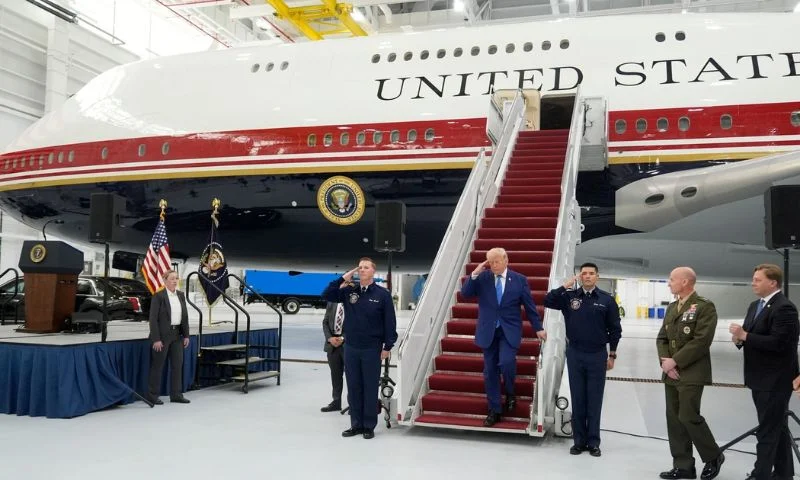
Trump Unveils Qatar-Gifted Air Force One Amid Ethics Questions
US President Donald Trump on Friday unveiled a converted Boeing 747 gifted by Qatar, introducing it as a temporary Air Force One while Boeing completes a delayed replacement program. Speaking at Joint Base Andrews in Maryland, Trump praised the aircraft and defended the decision to accept it. “This is considered the world’s most luxurious plane. When it was built, it was built at a level that will probably never be seen again,” Trump told supporters. The aircraft will serve as a “bridge” plane until Boeing delivers two new presidential Boeing 747-8 jets. Boeing secured the $3.9 billion contract during Trump’s first administration. However, repeated production delays pushed delivery to 2028. The revised timeline could leave Trump without a new purpose-built presidential aircraft before his term ends in January 2029. Trump said the United States needed a modern presidential fleet to match aircraft used by other world leaders. Critics Question Acceptance of Foreign Gift The Qatari aircraft has sparked criticism from lawmakers, ethics groups and legal experts. Critics argue that accepting such an expensive gift from a foreign government raises legal and constitutional concerns. Some experts have pointed to the Emoluments Clause, which limits gifts from foreign states to US officeholders without congressional approval. Trump rejected those concerns and defended the decision. He previously said it would be “stupid” to refuse the aircraft. The president argued that taxpayers would benefit because the aircraft fills a gap while Boeing completes its delayed project. The US Air Force carried out extensive modifications to transform the aircraft into a presidential transport platform. Officials have not disclosed the full upgrade cost. However, the Air Force previously estimated security modifications would cost less than $400 million. The aircraft features a new design. A navy-blue lower fuselage replaces the traditional light-blue scheme. A red stripe runs along the body, while a large American flag covers the tail. The presidential seal appears near the main boarding area used by the president. NATO Summit to Mark First Overseas Trip Trump confirmed he will use the aircraft for next month’s NATO summit in Ankara, Turkey. The trip will mark the jet’s first major international mission as Air Force One. He also signaled plans to return to China and attend the Asia-Pacific Economic Cooperation summit later this year. Earlier this week, Trump returned from Europe aboard the aging Boeing 747-200 that has carried US presidents for more than 30 years. He described that journey as the aircraft’s final presidential mission. Trump said officials will eventually place the retired jet in a museum. “The rest of the Air Force One fleet will have the new design,” he said. Trump also repeated that he will not use the Qatari aircraft after leaving office. Instead, he said it will become part of a future presidential library. The move aims to end speculation that he could retain access to the aircraft after his presidency.
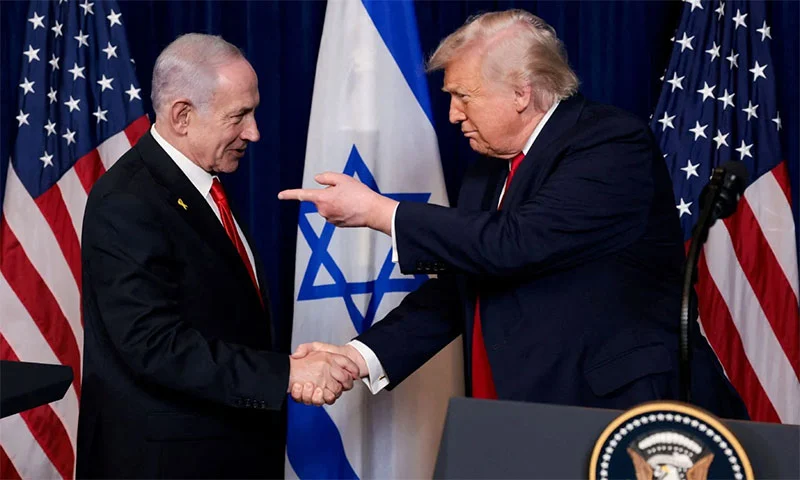
Trump to Netanyahu: ‘There Would Be No Israel Without Me’
US President Donald Trump on Tuesday intensified his criticism of Israeli Prime Minister Benjamin Netanyahu, declaring that “there would be no Israel” without American support and his own leadership, as tensions grow over Israel’s military operations in Lebanon. Speaking at the G7 summit in Évian-les-Bains, France, Trump suggested that Israel’s actions risk undermining ongoing diplomatic efforts between Washington and Tehran aimed at ending months of conflict across the region. “Without the US, there would be no Israel. Without me, there would be no Israel because no other president was willing to do what I did. I have had a great relationship with Bibi. Now Bibi has to be more responsible with respect to Lebanon,” Trump said. The comments marked some of the strongest public criticism Trump has directed at Netanyahu since returning to the White House. The disagreement comes at a sensitive moment. Washington recently announced a preliminary agreement with Iran designed to extend a ceasefire and lay the groundwork for broader negotiations on regional security, sanctions and Tehran’s nuclear programme. However, Israel has continued military operations against Hezbollah in Lebanon despite the diplomatic progress. Lebanon Strikes Spark Tensions Between Allies Trump’s frustration reportedly escalated after an Israeli airstrike targeted a suburb of Beirut on Sunday. The strike took place on the same day Trump announced that a new agreement with Iran would be signed electronically. According to the Israeli military, the operation came in response to Hezbollah firing three projectiles into northern Israel. Netanyahu defended Israel’s position and made clear that his government would continue military operations in Lebanon. “The struggle has not ended,” Netanyahu said on Monday. “I want to make clear: We will remain in the security zones as long as required in order to defend our country.” The remarks highlighted a growing gap between Washington’s diplomatic approach and Israel’s security strategy. Trump: “Without me, there would be no Israel … I’ve had a great relationship with Bibi, but now Bibi has to be more responsible with respect to Lebanon … I’m not happy with the way Israel has handled themselves with Lebanon and Hezbollah.” pic.twitter.com/xvLlEhYqWj — Aaron Rupar (@atrupar) June 16, 2026 Trump later expressed his anger during an interview with Axios. “Why did Bibi have to do a f—ing attack?” Trump said. “I was so p—ed off. I let him know. He has no f—ing judgment. I let him know that.” The unusually blunt language underscored the strain between the two longtime political allies. Peace Efforts Face Fresh Challenges The dispute comes as negotiators work to transform the recently announced US-Iran framework into a broader and more durable agreement. The proposed deal includes extending the ceasefire, reopening the Strait of Hormuz and launching further discussions on Iran’s nuclear activities. Regional diplomats view the agreement as the most significant diplomatic breakthrough since the conflict began earlier this year. Yet Lebanon remains one of the biggest obstacles. Iran has insisted that any long-term settlement must include a halt to hostilities involving Hezbollah, while Israeli officials continue to argue that military pressure remains necessary to protect national security. Analysts say Trump’s latest comments reflect growing concern within the White House that continued military escalation could jeopardise a fragile diplomatic opening. Despite the public disagreement, US officials stressed that Washington remains committed to Israel’s security while pursuing a broader regional peace framework. For now, attention has shifted to upcoming negotiations and whether the ceasefire can survive amid continuing tensions on Israel’s northern border.
What’s Inside the New US-Iran Agreement Trump Says Is Done?
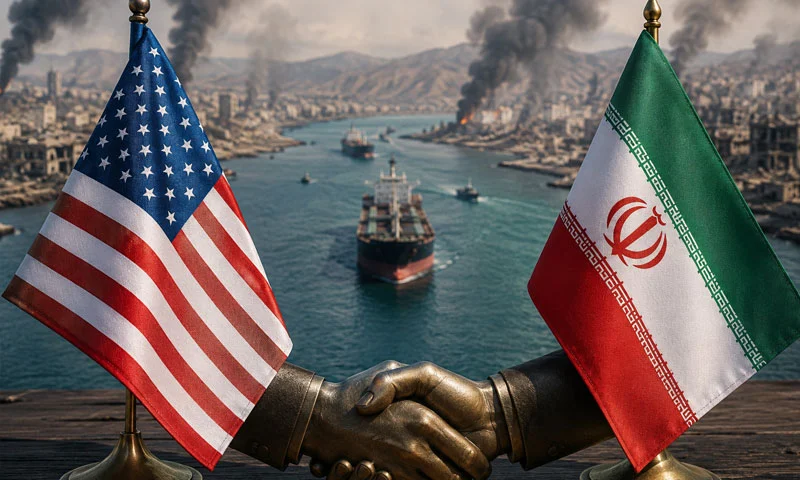
US President Donald Trump said on Monday that the United States and Iran had signed a preliminary agreement aimed at ending a conflict that has shaken the Middle East for nearly four months, though both sides acknowledged that negotiations on a permanent peace settlement remain unfinished. Speaking after arriving in France for the Group of Seven summit, Trump said the agreement would extend a fragile ceasefire announced in April and create a framework for broader negotiations. “The deal’s all signed,” Trump told reporters. He added that Vice President JD Vance would attend a formal signing ceremony in Geneva on Friday. The agreement marks the most significant diplomatic breakthrough since the conflict erupted in late February, when US and Israeli forces launched strikes on Iran. The war has since killed more than 7,000 people, most of them in Iran and Lebanon, according to regional estimates. Under the preliminary arrangement, the ceasefire will continue for another 60 days while negotiators work on unresolved issues, including Iran’s nuclear programme, sanctions relief and regional security concerns. Strait of Hormuz Reopening Brings Relief to Global Energy Markets One of the agreement’s most closely watched provisions involves the Strait of Hormuz, a strategic shipping route through which roughly one-fifth of global oil supplies pass. Iran has effectively restricted traffic through the waterway since the conflict began, contributing to sharp volatility in global energy markets. Following news of the agreement, oil prices fell to their lowest level since March 10, reflecting investor optimism that energy supplies could stabilize. Trump said the Strait of Hormuz would reopen under the agreement. “Ships of the world, start your engines. Let the oil flow!” he wrote earlier on social media. US officials said the memorandum includes significant sanctions relief for Iran. Vice President Vance described the document as brief but important. “The signed memorandum was only about 1-1/2 pages and so it is a very general document,” Vance told CNN. Officials said details would become public within days. .@VP on Iran: "There hasn't been a single dollar of sanctions relief or unfrozen assets, either from the United States or any of our allies in the Gulf… They only get that benefit if they meet their obligations under the agreement." https://t.co/hg0NRSxDuK pic.twitter.com/9eHgjOLrRF— Rapid Response 47 (@RapidResponse47) June 15, 2026 According to US and Iranian sources, the deal could eventually unlock frozen Iranian assets, ease sanctions and establish a reconstruction fund worth up to $300 billion financed by Gulf states. Key Issues Remain Unresolved Despite the breakthrough, major disagreements remain. Iranian President Masoud Pezeshkian described the memorandum as an “important step” but stressed that a permanent settlement still requires further negotiations. “A final agreement for a lasting truce has yet to take shape,” he wrote on social media. آنچه تفاهم شده، گامی مهم برای توقف جنگ و شروع مذاکره است و هنوز توافق نهایی شکل نگرفته است.جمهوری اسلامی ایران خود را برای همه گزینهها آماده کرده است و تمرکز دولت با یا بدون توافق خدمت صادقانه به مردم است. ملت ایران از امام شهیدش آموخته که زیر بار ذلت نرود.— Masoud Pezeshkian (@drpezeshkian) June 15, 2026 US officials insist that Iran must permanently abandon any effort to develop nuclear weapons and reduce support for armed regional groups before receiving the full economic benefits outlined in the agreement. The future of Iran’s enriched uranium stockpile also remains unresolved. Lebanon continues to represent another major obstacle. Iran has called for a complete end to hostilities involving Hezbollah, while Israeli Prime Minister Benjamin Netanyahu said Israeli forces would remain in southern Lebanon. “Iran wanted us to withdraw from it, but I stood firm,” Netanyahu told reporters. Although fighting has decreased since the announcement, security sources reported that clashes and military operations have not stopped entirely. Diplomats nevertheless view the agreement as the strongest opportunity yet to prevent further escalation and restore stability to a region battered by months of conflict.
Trump Cancels Strikes and Reveals Possible Iran Peace Deal
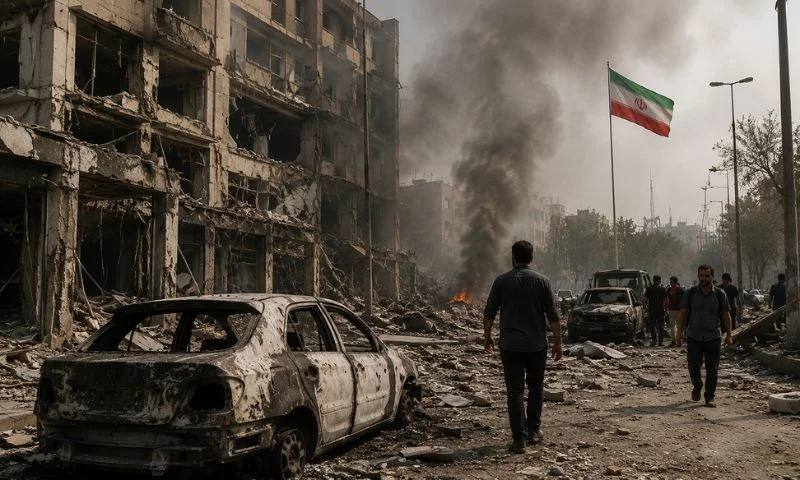
US President Donald Trump said on Thursday that the United States and Iran could sign a peace agreement within days, raising hopes for an end to a conflict that has rattled global energy markets and destabilised the Middle East for more than three months. Speaking at the White House, Trump claimed negotiations had reached a decisive stage and suggested a formal signing could take place in Europe as early as this weekend. “We just made a great settlement of the war with Iran,” Trump told reporters. “The strait will officially open as soon as we sign, which could be soon, very soon, maybe over the weekend in Europe,” he added. Trump also said Vice President JD Vance could sign the agreement on behalf of the United States. When asked whether Iran’s Supreme Leader Ayatollah Mojtaba Khamenei had approved the arrangement, Trump replied: “I understand the answer is yes.” His remarks came shortly after he cancelled planned military strikes against Iran. In a statement posted on Truth Social, Trump said: “Based on the fact that discussions with the Islamic Republic of Iran have been brought to the highest level of Iranian leadership and approved, I have, as President of the United States of America, cancelled the scheduled strikes and bombings against Iran this evening.” However, Tehran quickly signalled caution. Iran’s semi-official Fars News Agency reported that Iranian leaders were likely to approve the agreement, while the country’s foreign ministry said reports of a finalised deal remained speculative. Conflict Escalates Despite Diplomatic Signals The diplomatic developments followed another night of military escalation. The US military said it struck Iranian military surveillance systems, communication networks and air defence positions across the country. According to US Central Command, American forces used precision munitions against targets that posed threats to US personnel and commercial shipping. Iran responded with missile attacks on American military assets in Bahrain, Jordan and Kuwait. The Islamic Revolutionary Guard Corps (IRGC) said it targeted 18 US military sites and struck key facilities, including air bases in Bahrain and Jordan. Iranian media reported explosions in Bandar Abbas, Kargan and Minab following the American attacks. Iran’s foreign ministry condemned the strikes and argued they had rendered the nearly two-month ceasefire “practically meaningless.” Parliament Speaker Bagher Ghalibaf also issued a warning to Washington. “Wrong strategies and impulsive decisions will reset the entire board for the worse, explode energy infrastructure and markets and create an endless quagmire that you will be stuck in for years,” he said. “You will see a different Iran.” Hormuz Closure Raises Global Concerns The crisis deepened after Iranian authorities confirmed a complete closure of the Strait of Hormuz until further notice. The strategic waterway handles roughly one-fifth of global oil shipments and remains one of the world’s most important energy routes. Iran’s Khatam al-Anbiya Central Headquarters warned that threats against Iranian energy infrastructure could trigger broader disruptions. “Either oil and gas exports are for everyone, or they will be available for no one,” the command said. Despite the tensions, oil prices fell after Trump announced the suspension of planned strikes. Brent crude dropped 2.7% to $90.60 per barrel, while US West Texas Intermediate crude fell 2.6% to $87.71. Saudi Arabia called for renewed diplomacy and backed mediation efforts led by Pakistan and Qatar. Pakistan also urged all sides to pursue dialogue and a negotiated settlement. The United Nations, China, Russia, Turkiye and the European Union issued similar calls for restraint as diplomats raced to prevent a wider regional conflict. Whether the proposed agreement materialises remains uncertain. However, the coming days could prove critical for both regional stability and global energy markets.
Gulf Tensions Explode as Iran Fires Missiles and Trump Demands Deal
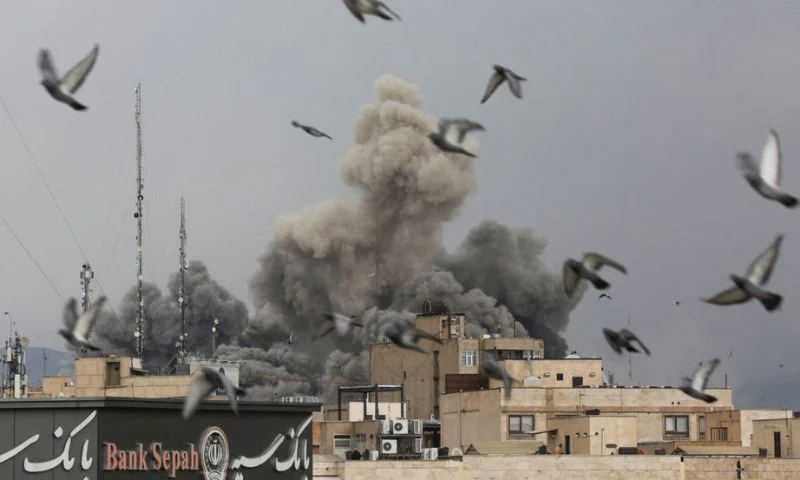
The United States and Iran exchanged fresh air and missile strikes on Thursday for a second consecutive day, deepening tensions and casting fresh doubt on a fragile ceasefire that has struggled to hold since April. The latest escalation followed the downing of a US Apache helicopter near the Strait of Hormuz earlier this week, an incident that triggered a new round of military action across the Gulf region. The US military said it carried out strikes targeting Iranian military surveillance systems, communication networks and air defence sites. According to US Central Command, the operation aimed to counter what it described as Tehran’s “unwarranted and continued aggression.” President Donald Trump signalled that military pressure would continue unless Iran accepted a peace agreement with Washington. Fox News correspondent Trey Yingst reported on X that Trump said the strikes would end shortly but warned he would resume heavy bombing if Iranian leaders did not immediately sign a deal with the United States. The renewed fighting marks the most serious challenge yet to the ceasefire reached in April. The truce followed weeks of intense warfare that began in late February after large-scale US and Israeli air strikes on Iran. Oil markets reacted swiftly. Crude prices jumped nearly $3 after Trump’s latest warning and extended gains during early Asian trading, reflecting concerns over disruptions to global energy supplies. Iran Launches Counterattacks Across Gulf Iran’s Islamic Revolutionary Guard Corps (IRGC) said it responded by targeting 18 US military positions, including facilities in Kuwait and Bahrain and the headquarters of the US Navy’s Fifth Fleet. The IRGC also announced a second consecutive night of missile attacks on the al-Azraq air base in Jordan, saying it launched 12 ballistic missiles at the installation. Kuwait’s military reported that its air defences were engaging hostile aerial targets, while Bahraini authorities said they intercepted and destroyed incoming Iranian threats. Iran’s top joint military command also warned that any vessel attempting to pass through the Strait of Hormuz could come under fire. Iranian state media claimed forces had fired on two US ships in the strategic waterway. Read More: Iran Conflict Triggers $100 Billion Shock for Global Airlines US Central Command rejected those claims and insisted commercial vessels continued to transit the strait despite Iranian threats. Iranian media reported explosions in several cities, including Sirik, Kargan, Bandar Abbas, Minab, Karaj and Varamin. US Defence Secretary Pete Hegseth defended the military action during a visit to Central Command headquarters in Florida. The strikes would “advance our military interests and also enhance our diplomatic position,” he said. “We will strike them hard tonight, and hopefully Iran makes a good decision,” Hegseth added. “If we need to negotiate with bombs, we’ll negotiate with bombs.” Hormuz Dispute, Lebanon Fighting Complicate Peace Efforts The Strait of Hormuz remains at the centre of the crisis. Iran says it has effectively closed the vital shipping route, while US officials deny the claim and maintain that maritime traffic continues. The waterway handles roughly one-fifth of the world’s crude oil and liquefied natural gas shipments, making it one of the most important energy corridors on the planet. Iran accused the United States of striking reservoirs that supplied drinking water to 10 villages. “This is not collateral damage – it is a calculated war crime and a flagrant violation of human rights,” Iranian Foreign Ministry spokesperson Esmaeil Baghei said. At the same time, fighting continued in Lebanon. Lebanese security sources said Israeli air strikes in southern Lebanon killed at least 13 people on Wednesday. Hezbollah later claimed new attacks against Israeli forces, while Israel reported launches near areas where its troops were operating. Diplomatic efforts remain stalled despite repeated claims from Trump that a deal is within reach. Tehran continues to demand an end to Israeli attacks in Lebanon, the lifting of sanctions, the release of frozen Iranian assets and recognition of its control over the Strait of Hormuz. Washington insists any agreement must guarantee freedom of navigation through Hormuz and prevent Iran from developing a nuclear weapon, an ambition Tehran continues to deny.
Israel Launches Pre-Emptive Attack on Iran as Explosions Reported in Tehran
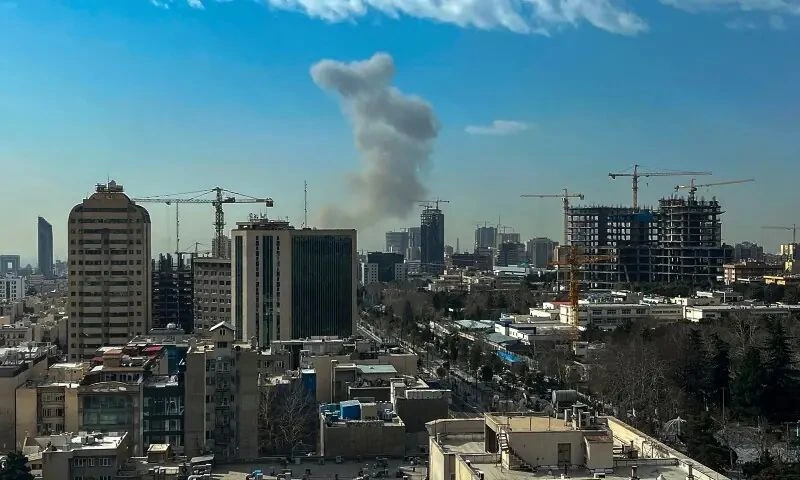
On Saturday, February 28, 2026, Israel announced that it had launched a pre-emptive military strike against Iran, marking a major escalation in tensions in the Middle East. The attack, which Israeli officials say was planned months in advance, was described as necessary to neutralize threats against the State of Israeli Defence Minister Israel Katz told reporters that “The State of Israel launched a pre-emptive attack against Iran to remove threats to the State of Israel.” The operation was coordinated with the United States military, reflecting close strategic cooperation between the two nations amid rising international instability. Explosions were widely reported in Tehran, and images from the Iranian capital showed smoke rising over several districts. In response, Iranian state media reported disruptions to mobile phone and internet services in parts of western and eastern Tehran. Across Israel, air raid sirens were activated, warning citizens of the possibility of retaliatory missile strikes from Iran. The Israeli Defence Forces (IDF) emphasized that these precautions aimed to keep civilians safe as the country prepared for potential further escalation. Israel also declared a nationwide state of emergency and closed its airspace to civilian flights. Government authorities urged the public to stay close to shelters and avoid travel as tensions rose. Despite renewed diplomatic efforts earlier in February to restart talks between the United States and Iran on nuclear and ballistic missile programs, diplomatic progress has stalled. Both sides remain deeply divided over fundamental issues, including linking negotiations on missiles to discussions on Iran’s nuclear activities. Iran has consistently denied seeking nuclear weapons, insisting its nuclear program is peaceful. Iran’s stockpile of 60% enriched uranium, which is close to weapons-grade levels, continues to be a major concern for Western intelligence agencies. A confidential report by the International Atomic Energy Agency (IAEA) stated it could not verify whether Iran had stopped uranium enrichment following the June 2025 conflict. The strike comes amid a broader backdrop of conflict between Israel and Iran that has included covert sabotage, cyberattacks, and military operations. In June 2025, Operation Rising Lion involved coordinated airstrikes by the U.S. and Israel on Iranian nuclear facilities, and those operations shaped the current security landscape. Regional capitals, world powers, and international security analysts are closely monitoring developments. There are deep fears that this attack could ignite a wider war involving multiple nations. Iran has vowed to defend itself and has not ruled out strong retaliation. As the situation unfolds, global leaders are calling for calm, but the reality is stark. The Middle East has entered a critical moment. The full implications are uncertain, and a wider conflict could reshape security dynamics across the region.
