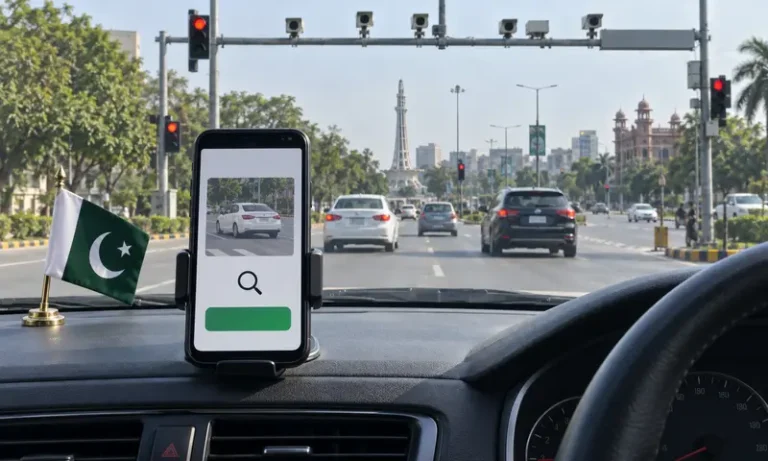

Pakistan has created its first licensing path for consumer satellite broadband, but unfinished space regulations continue to delay commercial services.
Until now, satellite connectivity mainly served businesses through VSAT links, while consumers lacked a dedicated market framework.
Starlink began discussions with the Pakistan Telecommunication Authority in December 2021. The federal cabinet approved the National Space Policy in December 2023. Authorities introduced Pakistan Space Activities Regulatory Board rules two months later. PTA then finalised a fixed satellite services licence in April 2026.
Fixed satellite licence sets strict controls
The FSS licence allows broadband, backhaul, bandwidth supply and corporate intranets. It excludes direct-to-device links, mobile satellite services, broadcasting and earth stations in motion.
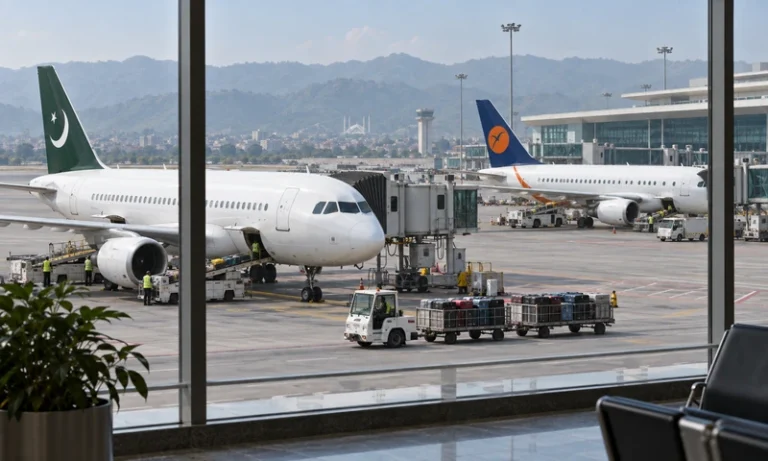
A passenger therefore cannot use an FSS connection on a Karachi-Islamabad flight. A phone also cannot connect directly to a satellite under this category. PTA published a separate draft licence for inflight satellite services in May.
Read More: PTA Approves Ufone-Telenor Rebranding, But There Is a Catch
Low Earth orbit operators must incorporate locally and secure a Pakistani licence. They must build a gateway earth station within 18 months, route domestic traffic through it and store user data inside Pakistan.
Operators must also install lawful interception capability before launching service. Officials link these safeguards to national security and content controls. Terrestrial telecom companies face similar duties. India, Bangladesh and the United States also impose interception requirements.
Fees and regional exclusions draw concern
The proposed regime charges a $500,000 initial licence fee. Recurring charges total about 2.5 percent of gross revenue, covering the licence, Universal Service Fund and spectrum.
A separate 6 percent levy would support a space research and development fund controlled by the Strategic Plans Division. The combined burden reaches roughly 8.5 percent. The comparative rate stands at about 4 percent in India and 3 to 5.5 percent in Bangladesh.
The FSS licence excludes Azad Jammu and Kashmir and Gilgit-Baltistan. Yet remote valleys and border settlements there have some of Pakistan’s weakest terrestrial coverage.
India instead applies tighter controls near borders. These include monitoring zones, geofenced terminals and suspension powers during hostilities.
Overlapping approvals slow market entry
Applicants must complete SECP incorporation, gain PSARB clearance, obtain a PTA licence and secure spectrum from the Frequency Allocation Board.
Critics also question PSARB’s composition. Security and space bodies hold five of its eight seats, including three Suparco officials and a co-opted ISI representative. Only two members represent civilian ministries. Industry, academia and telecom experts have no formal seat.
Suparco also runs the PSARB secretariat, operates PAKSAT and holds first refusal rights for government satellite business. That structure places a market participant close to regulatory decisions.
Read More: No Signal, No School: Internet Crisis Hits Girls’ Education in KP
India separated IN-SPACe from ISRO. Bangladesh used its telecom regulator and launched Starlink within seven months.
At least four global operators seek entry, including Starlink, Amazon’s Project Kuiper and China’s Qianfan. Operators broadly accept local gateways, data storage and interception rules used in Nigeria and Bangladesh.
“The final piece remaining is the detailed regulatory framework.” PSARB hired London-based Access Partnership, which submitted recommendations months ago. Authorities have not released the document.
Further delay risks leaving remote communities offline while neighbouring markets move ahead.