
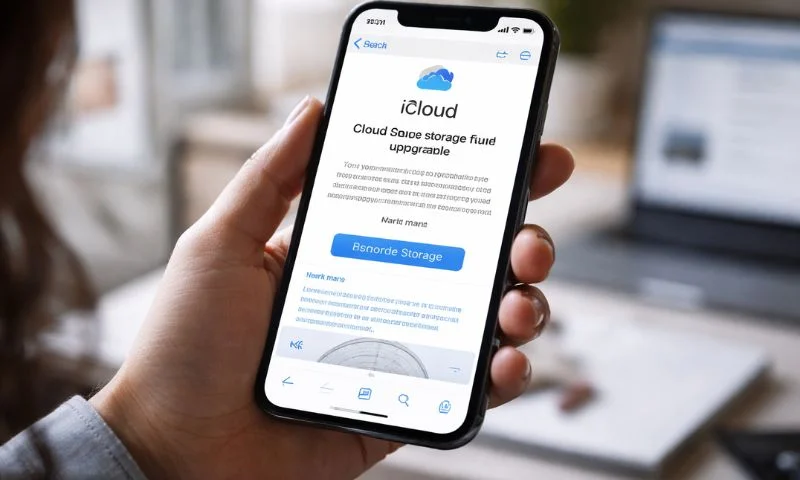
iPhone users are being urged to remain vigilant after a new wave of phishing scams began circulating, falsely warning that their photos and personal data will be deleted unless immediate action is taken.
The scam, which mimics official Apple iCloud alerts, has been flagged by cybersecurity experts and consumer groups as part of a growing trend of sophisticated digital fraud targeting Apple’s global user base.
How the scam works
Fraudulent emails are designed to look like legitimate messages from Apple, informing users that their iCloud storage is full and that they must upgrade their plan urgently. The messages often include alarming claims that photos and videos will be permanently deleted if action is not taken.
Many emails feature a button prompting users to “upgrade storage” or “manage account,” which redirects victims to fake websites that closely resemble Apple’s official interface. These phishing pages are built to capture sensitive data, including Apple ID credentials, banking information and personal details.
In some cases, scammers escalate the pressure by sending follow-up messages with strict deadlines. Users may be told their account will be suspended within 24 to 48 hours or that their data will be erased on a specific date.
“The emails include a button you can click on to upgrade your iCloud storage,” one report noted, warning that entering payment details could allow criminals to “steal more money or sell your details.”
Why the scam is convincing
Experts say the scam is particularly effective because it closely mirrors genuine Apple notifications. Many users receive legitimate alerts about iCloud storage limits, making it harder to distinguish between real and fake messages.
Some emails are signed as “The iCloud Team” and use Apple branding, layouts and language that appear authentic at first glance. Minor differences, such as unusual email domains or grammatical errors, are often the only clues.
Cybersecurity analysts warn that the sense of urgency is a deliberate tactic. By creating fear of losing valuable data such as photos, scammers push users into reacting quickly without verifying the message.
Growing global concern
The phishing campaign is part of a broader rise in cybercrime targeting mobile users and cloud-based services. With billions of iPhone users worldwide relying on iCloud to store photos, messages and documents, the potential impact is significant.
Historically, phishing attacks have been one of the most common ways hackers gain access to personal accounts, often leading to identity theft or financial fraud. Security experts say similar tactics were used in past high-profile breaches involving cloud storage accounts.
What users should do
Authorities and experts stress that users should not click on suspicious links or provide personal information in response to unsolicited emails.
Instead, users are advised to check their iCloud storage status directly through their device settings or Apple’s official website. Any suspicious emails should be deleted or reported to Apple’s phishing reporting channels.
Experts also recommend enabling two-factor authentication, regularly updating passwords and remaining cautious of any message that demands urgent action.
As phishing techniques continue to evolve, awareness remains the first line of defence against increasingly convincing scams targeting everyday users.