

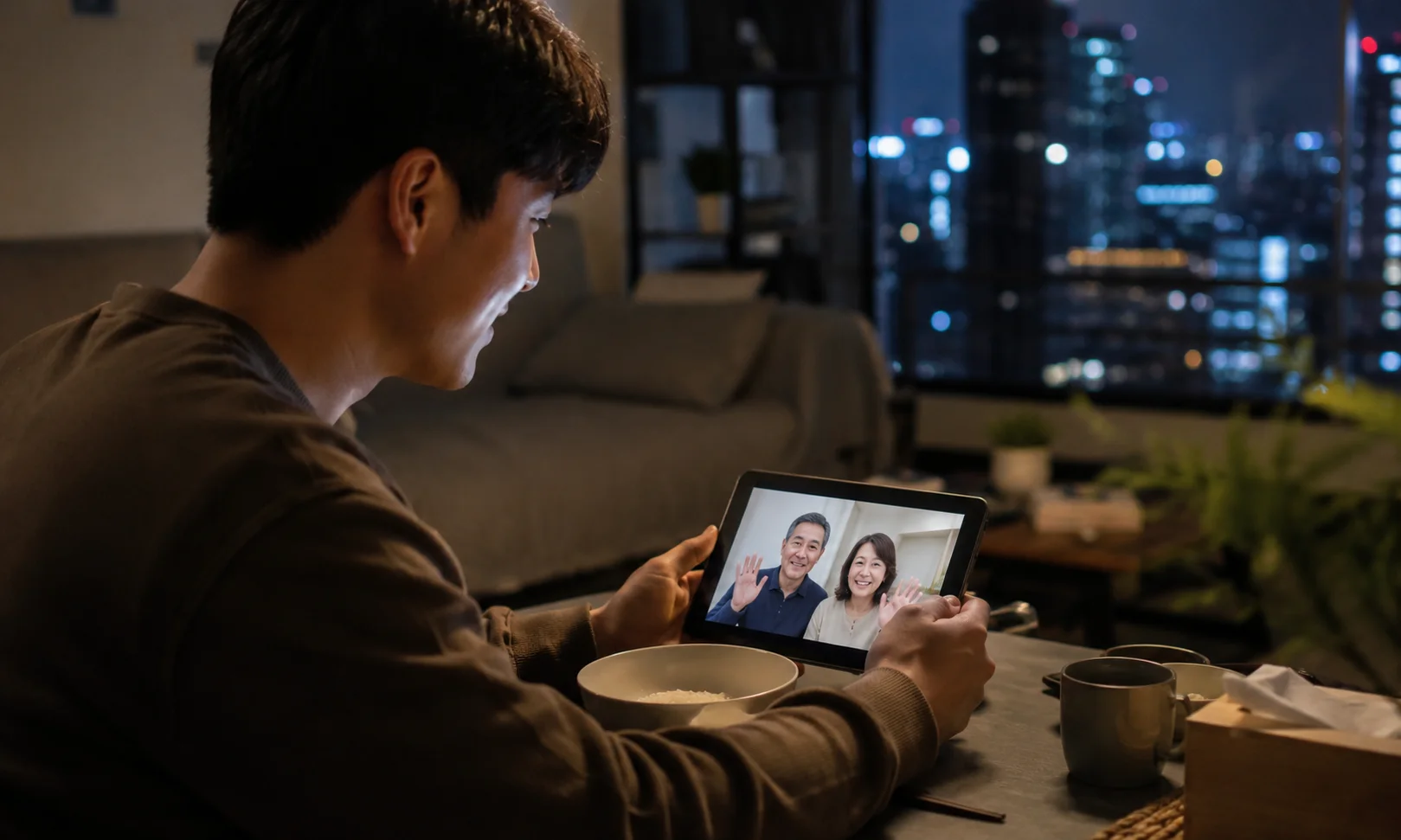
When Vincent Zhang sits down for a meal in Shanghai, he often opens his phone to check in with a pair of people he calls his “virtual parents.” The middle-aged couple, Pan Huqian and Zhang Xiuping, are among a growing number of Chinese content creators offering emotional support to young followers through short videos on Douyin, China’s version of TikTok. In one of their most popular clips, they speak directly to viewers with comforting words: “Are you tired from work and study lately? Don’t push yourself too hard. Mum and Dad know that you have endured a lot.” The message resonates with millions of young Chinese facing mounting economic pressure, fierce workplace competition and difficult family expectations. The couple has attracted nearly two million followers on Douyin. Many viewers leave comments calling them “mum” and “dad,” sharing personal struggles and asking for birthday wishes or words of encouragement. Seeking the Support Missing at Home For 33-year-old tech worker Vincent Zhang, the appeal is simple. “My parents are never the ones who tell me not to drive myself too hard or that I am already good enough,” he says. “But virtual parents will ask me whether I am happy today.” Vincent says weekly calls with his parents often leave him stressed. They question his decision to work in technology rather than pursue a government job. They also regularly ask when he plans to get married. “From the moment the phone call begins, all my actions and choices are wrong, and something to be corrected by them.” Read More: The Rise of Digital Twins: A New Tool for ADHD Productivity Pan Huqian understands that feeling. In a 2024 interview with Douyin, he explained that hardship shaped his childhood. At 14, he left home to support his family after his mother became paralysed. “I left home for 33 years, and my parents have never said a word of encouragement,” he said. After becoming a father, Pan decided to create a different environment for his own daughter. He regularly tells her he loves her, and she frequently appears in the couple’s videos. Their content arrives at a time when many young Chinese are questioning traditional family dynamics. China’s younger generation grew up during decades of rapid economic growth and rising living standards. However, the economic slowdown following the pandemic has created new challenges. According to official data, youth unemployment in China has remained above 15% in recent years despite government efforts to boost hiring and stimulate economic activity. A Generational Reckoning Many young Chinese say they feel trapped between personal ambitions and parental expectations. Social media platforms have become outlets for discussions about academic pressure, career choices and the cultural concept of filial piety. The frustration has even inspired viral online memes known as “gourd soup literature.” The term comes from a comedy skit in which a mother ignores her son’s wishes but insists she is acting in his best interest. For 28-year-old Zhao Xuan, the humour reflects real-life experiences. She says years of hearing similar arguments from her parents eventually pushed her to mute the family group chat. “I did go to a therapist, but I gradually realised that crying wouldn’t solve the problem,” Zhao says. “My mom wouldn’t change, so I could only change my own mindset, which is to treat them with the same attitude, as if it was a joke.” Despite recognising that many virtual-parent accounts operate as commercial businesses, Vincent still finds comfort in them. Reflecting on a recent video showing a simple supermarket trip, he says it reminded him of childhood memories with his family. “I believe that a little bit of warmth is better than nothing.”
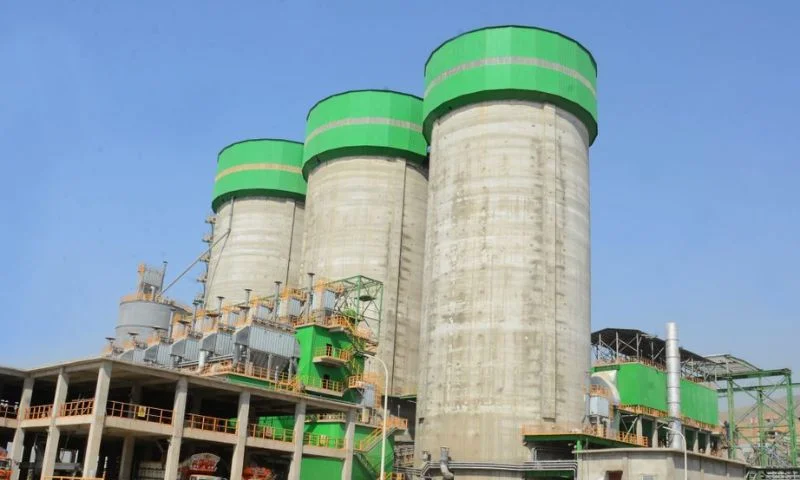
Pioneer Cement’s New Solar Plant Could Slash Energy Bills Significantly
Pioneer Cement Limited has approved the installation of a 28.265MW solar power plant at its manufacturing facility in Chenki, Jauharabad, District Khushab, Punjab. The company disclosed the decision in a notice submitted to the Pakistan Stock Exchange (PSX) on Monday. Pioneer Cement plans to commission the project during the second quarter of fiscal year 2026-27 and start commercial operations shortly afterward. The company said the project aligns with its long-term strategy to improve efficiency and reduce operating costs. “This strategic investment reflects the Company’s continued commitment to operational excellence, sustainability and long-term value creation for its stakeholders and is expected to result in significant savings in energy costs. The investment will be funded entirely through the Company’s own cash flows,” the company told the PSX. The new solar facility will help Pioneer Cement reduce its reliance on grid electricity and manage rising energy expenses. Energy remains one of the largest costs for cement manufacturers in Pakistan. Cement Industry Turns to Renewable Energy Pakistan’s cement sector has accelerated investments in renewable energy in recent years. Companies across the industry continue to install solar projects and waste heat recovery systems to control costs and improve efficiency. Pioneer Cement has already invested in energy-saving infrastructure. The company previously installed a waste heat recovery plant and other power-generation facilities to support operations and lower electricity expenses. Industry analysts say renewable energy projects now play a critical role in protecting profit margins. They also help companies limit exposure to fluctuating fuel and electricity prices. The latest solar investment strengthens Pioneer Cement’s sustainability goals and supports cleaner industrial production. Pakistan’s Solar Boom Continues The announcement comes as Pakistan experiences rapid growth in solar energy adoption. A recent study found that Pakistan imported more than 50GW of solar panels during the past five years. The imports carried an estimated value of nearly $18 billion. The study said the imported capacity roughly matches the country’s total grid capacity. Researchers noted that solar adoption has helped around seven million households and many businesses reduce their exposure to energy price shocks and geopolitical risks. High electricity tariffs and declining solar panel prices continue to drive demand across the country. Households, commercial users and industrial groups increasingly view solar energy as a practical long-term solution. For Pioneer Cement, the 28.265MW project represents both a cost-saving measure and a strategic investment in sustainable growth. The company expects the project to deliver long-term financial benefits while supporting its environmental objectives.
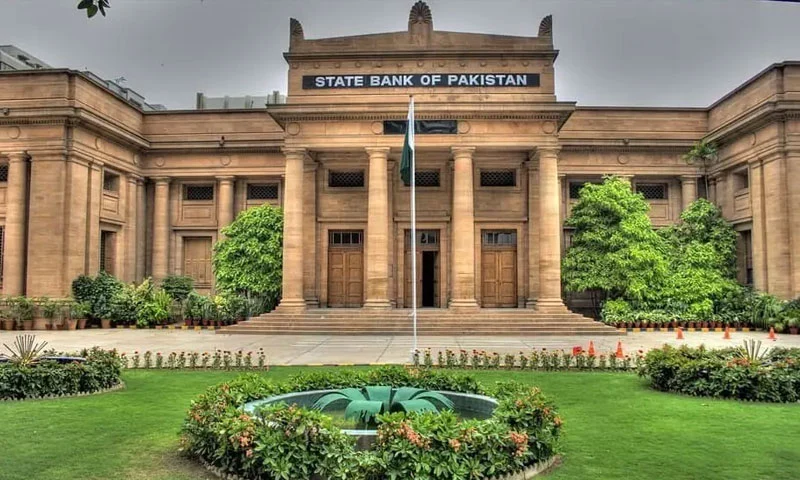
SBP Keeps Interest Rate at 11.5%: What It Means for Pakistanis
The State Bank of Pakistan (SBP) on Monday left its benchmark policy rate unchanged at 11.5 percent, citing easing global oil prices after the recent US-Iran peace agreement while warning that inflation is likely to remain in double digits in the coming months. “The Monetary Policy Committee (MPC) decided to keep the policy rate unchanged at 11.5% in its meeting today,” the central bank said in its latest monetary policy statement. The decision comes after the SBP lowered rates significantly over the past year as inflation eased from historic highs. However, recent geopolitical tensions in the Middle East and higher domestic energy costs have pushed inflation upward again. According to the MPC, global oil prices declined after the US-Iran agreement, although they remain above levels seen before the conflict began earlier this year. The committee noted that the impact of the Middle East conflict had started to appear in key economic indicators. Headline inflation rose to 10.9 percent in April and 11.7 percent in May, while core inflation increased to 8.2 percent and 8.7 percent during the same period. “Moreover, economic activity is showing some signs of moderation, reflecting the impact of elevated prices, austerity measures and prevalent economic uncertainty,” the SBP said. The central bank added that pressures on Pakistan’s external account remained moderate and the broader macroeconomic outlook was largely unchanged from its previous assessment. Inflation Risks Remain Despite Economic Stability The MPC said the current monetary policy stance remained appropriate to guide inflation toward its medium-term target range of 5 to 7 percent. The committee highlighted several positive developments since its last meeting. Pakistan Bureau of Statistics estimates showed the economy expanded by 3.7 percent during fiscal year 2025-26, compared with 3.2 percent a year earlier. Growth was driven mainly by services and industrial activity, while agriculture also contributed to overall expansion. The MPC also pointed to improved consumer and business confidence and stronger external sector indicators. The Monetary Policy Committee decided to keep the policy rate unchanged at 11.5 percent in its meeting held on June 15, 2026.For details: https://t.co/QmtBOmlMuF pic.twitter.com/QJaQwcOxo8— SBP (@StateBank_Pak) June 15, 2026 SBP foreign exchange reserves reached $17.2 billion by June 5 after successful reviews under the International Monetary Fund’s Extended Fund Facility and Resilience and Sustainability Facility programmes. The government has estimated a primary budget surplus of 2.5 percent of GDP for FY26 and is targeting a surplus of 2 percent for FY27. The central bank credited proactive macroeconomic management and fiscal consolidation for helping preserve economic stability during a period of regional uncertainty. Growth Outlook Positive but Challenges Persist Despite encouraging indicators, the MPC warned that several risks could affect inflation and growth in the months ahead. The committee projected inflation would remain in double digits for the next few months before gradually easing. “This outlook is subject to multiple risks, including geopolitical developments, the extent of pass-through of global prices to domestic fuel prices, magnitude of adjustments in power and gas tariffs, potential fiscal slippages, and uncertain food prices amidst weather-related challenges,” the statement said. The MPC also cautioned that spillover effects from regional tensions and weaker agricultural prospects could weigh on economic activity. At the same time, it stressed the importance of accelerating structural reforms to improve productivity, strengthen economic resilience and support sustainable long-term growth. Analysts said the decision signals the SBP’s preference for maintaining stability while monitoring inflation trends and the economic impact of developments in global energy markets.
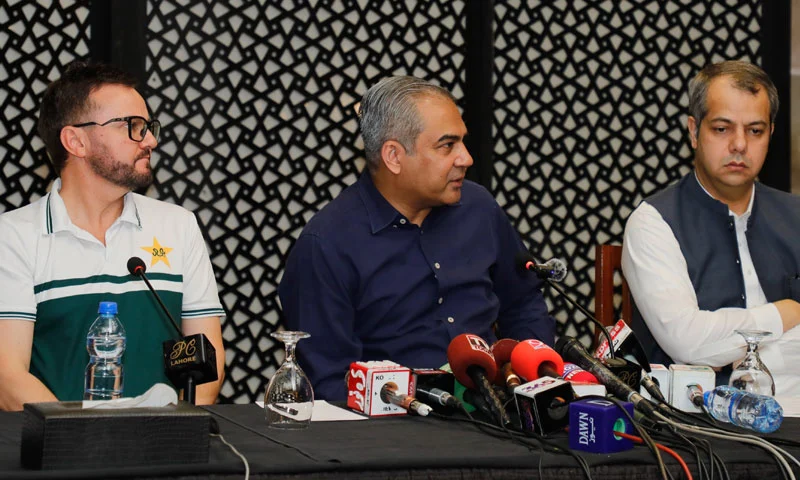
PCB Shifts to Data-Driven Contracts and New Salary Categories
The Pakistan Cricket Board (PCB) has announced sweeping changes to its central contracts system, replacing its long-standing “one system for all” policy with a format-specific model that will assess players on fitness, domestic performances and the unique demands of different formats. PCB Chairman Mohsin Naqvi unveiled the new framework during a press conference in Lahore on Monday, describing it as a step towards greater transparency and accountability in Pakistan cricket. The move comes as the board seeks to address concerns over player evaluations and improve the national team’s performances in major international tournaments. Speaking to reporters, Naqvi said the selection committee faced a significant task in reshaping Pakistan cricket and ensuring contracts reflected merit and performance. “If this work had been going on for 70 years, then it was not in my knowledge,” Naqvi said when discussing the previous contracts system. PCB Chairman Mohsin Naqvi's press conference alongside Aqib Javed, Mike Hesson and senior PCB officials.📺 Watch here ➡️ https://t.co/EaGK5N4jMs#PakistanCricket pic.twitter.com/VrFPEiv19O— Pakistan Cricket (@TheRealPCB) June 15, 2026 He added that the PCB was reviewing performances over the past five years, including Test and domestic cricket records, to create a more balanced assessment process. The chairman stressed that the board was not relying on artificial intelligence but rather on objective data and measurable indicators. “The new model should not be confused with artificial intelligence; instead, it should be appreciated,” he said. Domestic Cricket and Performance Data to Play Bigger Role Naqvi acknowledged that Pakistan’s performances in major tournaments remained a concern despite stronger displays in bilateral series. “It is absolutely our responsibility to improve cricket. Our cricket team’s performance is better in series, but in tournaments, our team collapses. Work is now being done on this,” he said. The PCB chief revealed that domestic cricket data would become a key component of the contracts process. He said previous contracts often triggered debates over why certain players received higher categories than others. “Earlier, there used to be debate on central contracts over why someone got B and why someone got C,” Naqvi said. “Now, 85% of the central contract has gone into the hands of the computer.” According to Naqvi, the system will use performance metrics, fitness standards and domestic records to support decision-making and reduce subjectivity. He also confirmed that the PCB remained in contact with former cricketers, including Younis Khan, as part of broader consultations on improving the game. Format-Specific Model Reflects Modern Cricket In an official statement, the PCB said the changes reflected the realities of modern cricket, where Test specialists and T20 players often follow entirely different career paths. “Under the leadership of Chairman Mohsin Naqvi, the PCB has announced the introduction of a new and unique structure by making significant changes to its players’ central contracts system,” the board said. The PCB argued that the previous model no longer suited an era where players specialise in specific formats and face different workloads. According to the board, Test cricket, One-Day Internationals and T20 cricket require different skill sets, physical demands and professional priorities. “While most cricket boards around the world still place all players in the same categorisation and pit a Test specialist against a T20 franchise player for the same grade, the PCB, under the oversight of Chairman Naqvi, has decided to introduce a model that acknowledges the distinct identity and priorities of each format,” the statement added. Cricket observers say the reform could become one of the PCB’s most significant administrative changes in recent years, particularly as international cricket continues to evolve and player specialisation becomes increasingly common.
Karachi Port Achieves a Milestone Not Seen in Nearly 8 Years
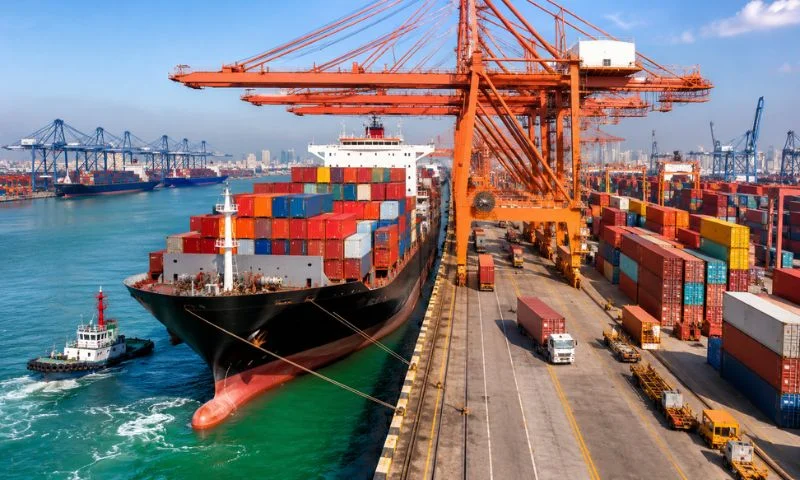
Karachi Port has crossed the milestone of 2,000 vessel calls for the first time in almost eight years, highlighting a steady rise in maritime trade and cargo activity at Pakistan’s largest seaport. Federal Minister for Maritime Affairs Muhammad Junaid Anwar Chaudhry announced on Monday that Karachi Port handled 2,003 vessel calls between July 2025 and June 13, 2026, according to data compiled by the Karachi Port Trust (KPT). The figure marks the first time the port has crossed the 2,000-vessel threshold since fiscal year 2017-18. Officials described the achievement as a positive sign for Pakistan’s trade sector and broader economic activity. Maritime Traffic Shows Strong Growth According to the Ministry of Maritime Affairs, ships arriving at Karachi Port during the period represented a combined gross registered tonnage (GRT) of 84.43 million tons. The minister said vessel calls increased by 7.5% compared with the same period last year. Gross registered tonnage rose by 3.0%, reflecting stronger cargo movement and higher maritime traffic. “Vessel calls increased by 7.5 percent compared with the corresponding period last year, while gross registered tonnage rose by 3.0 percent, indicating sustained growth in cargo movement and maritime traffic,” Chaudhry said. He noted that the figures demonstrate growing momentum in Pakistan’s maritime trade sector. He also said the results reaffirm Karachi Port’s central role in the country’s trade and logistics network. ALHAMDULILAH ! KARACHI PORT Crosses 2,000 SHIP CALLS Milestone! For the first time since the 2017-2018 benchmark, Karachi Port has surpassed the landmark figure of 2,000 ship calls, reaffirming its role as Pakistan’s premier maritime gateway. pic.twitter.com/QkoFVOf6Fz — Karachi Port Trust Official (@official_kpt) June 13, 2026 Karachi Port handles a significant portion of Pakistan’s imports and exports. Located on the Arabian Sea, it serves as one of the country’s most important gateways for international commerce. The port connects Pakistan with major shipping routes linking the Middle East, Africa, Europe and Asia. Data from the Pakistan Bureau of Statistics shows the country’s external trade has gradually recovered over the past year, supported by improved economic stability, easing inflation and increased industrial activity. Analysts say stronger trade volumes often translate into higher shipping traffic at major ports. Karachi Port’s Strategic Role KPT Chairman Rear Admiral (Retd) Shahid Ahmed credited the growth to rising shipping activity and operational improvements at the port. “Karachi Port, established in 1887, remains a key hub for containerized cargo, bulk commodities and general trade, linking Pakistan with major regional and global shipping routes,” he said. Ahmed also pointed to improved operational efficiency and the continued confidence of international shipping lines using Karachi Port. The port remains one of the oldest and busiest maritime facilities in South Asia. Along with Port Qasim, it handles the bulk of Pakistan’s seaborne trade. Government officials have also launched efforts to modernise port infrastructure, improve cargo handling capacity and strengthen logistics services to support growing trade demand. Meanwhile, Chaudhry described the increase in vessel calls “as a positive indicator for Pakistan’s trade outlook, reflecting stronger commercial activity and greater utilization of port infrastructure”. He said the latest milestone would further strengthen Karachi Port’s position as Pakistan’s premier maritime gateway. He added that higher port activity would support national efforts to expand trade, attract investment and boost economic growth through the country’s maritime sector.
Pakistan to Host Historic US-Iran Peace Deal Signing in Geneva
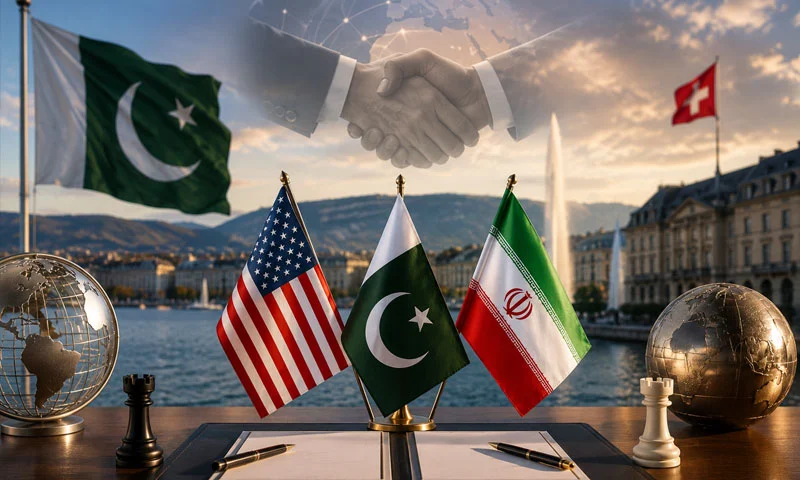
Prime Minister Shehbaz Sharif announced on Monday that Pakistan will host the signing ceremony of a landmark agreement between the United States and Iran aimed at ending a conflict that has destabilised the Middle East for nearly three months. Addressing the National Assembly, the prime minister said the ceremony would take place in Geneva, Switzerland, on June 19, marking what he described as a major diplomatic achievement for regional peace. “The [signing] ceremony of this historic agreement will be held on Friday, June 19, in Geneva, and by the grace of God, it will be hosted by Pakistan,” Shehbaz told lawmakers. The announcement came hours after he revealed that Washington and Tehran had agreed on a framework designed to end hostilities, reopen critical trade routes and create conditions for broader negotiations. Under the agreement, both sides have agreed to halt military operations and move toward a structured peace process. The framework also includes the lifting of the US blockade on Iran and the reopening of the Strait of Hormuz, one of the world’s most important energy shipping corridors. The conflict began in late February when the United States and Israel launched strikes on Iran. The confrontation quickly expanded across the region and triggered concerns about energy supplies, regional stability and global economic growth. Pakistan’s Mediation Role Gains International Recognition Pakistan played an active role throughout the crisis and emerged as one of the key facilitators of dialogue between Washington and Tehran. Islamabad hosted the first round of direct talks between the two sides in April, bringing negotiators together at a time when diplomatic efforts had largely stalled. The prime minister said Pakistan remained committed to promoting dialogue and peaceful solutions during the conflict. Diplomatic sources have described the upcoming Geneva ceremony as the culmination of months of intensive negotiations involving regional and international stakeholders. Earlier, Shehbaz thanked Qatar, Saudi Arabia and Turkiye for supporting mediation efforts and helping create momentum for an agreement. Qatar’s leadership also welcomed the breakthrough and expressed hope that future negotiations would proceed in a constructive manner. Strait of Hormuz Reopening Seen as Major Economic Relief The agreement carries significant economic implications because it includes plans to restore navigation through the Strait of Hormuz. The strategic waterway handles a substantial share of global oil shipments and has faced severe disruptions during the conflict. Analysts believe reopening the route could help stabilise energy markets and ease concerns about global supply chains. Iranian officials have indicated that broader discussions will continue during an initial ceasefire period. Those talks are expected to address sanctions relief, regional security issues and the future of Iran’s nuclear programme. Although challenges remain, diplomats view the agreement as the most significant step toward regional de-escalation since the conflict erupted earlier this year. For Pakistan, hosting the signing ceremony represents a rare diplomatic milestone and highlights Islamabad’s growing role in regional conflict resolution and international mediation efforts.
The End of Social Media for Under-16s? UK Unveils Tough Plan
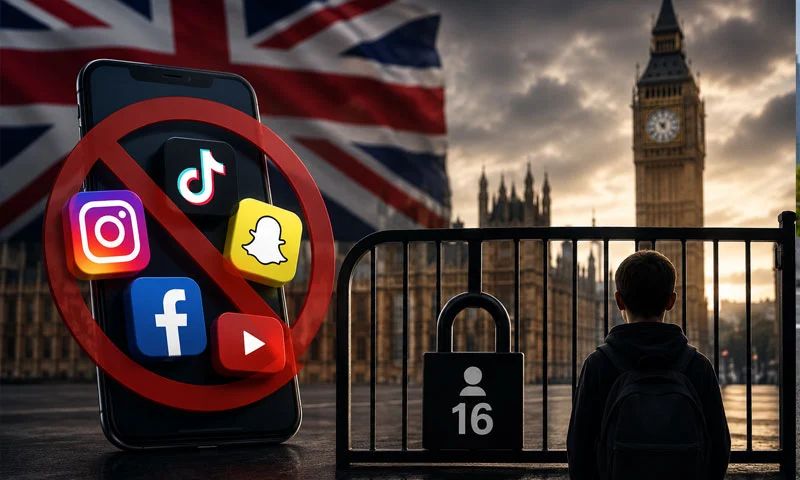
British Prime Minister Keir Starmer has announced a sweeping ban on social media use for children under the age of 16, describing the measure as one of the toughest online safety policies introduced by a democratic country. Speaking at a press briefing on Monday, Starmer said the government would move ahead with legislation aimed at restricting under-16s from accessing major social media platforms. “Today I can announce the government will ban access to social media for all children under the age of 16,” Starmer said. “I am not prepared to compromise on the safety and happiness of our children. That is why this ban must happen and it is why this ban will happen.” The proposal goes beyond restrictions introduced by Australia last year and forms part of a wider package designed to strengthen child safety online. Starmer said the government would also introduce what he described as “world-leading action” to stop children from communicating with strangers on gaming services and live-streaming platforms without supervision. The Labour government plans to pass legislation by the end of 2026 and implement the restrictions in spring 2027. Authorities will use age verification technology to enforce the rules. However, educational and child-focused services such as YouTube Kids and Google Classroom will remain exempt. Government Targets Addictive Online Features Starmer acknowledged the policy would generate debate but argued that growing evidence justified tougher action. “This is not something I do lightly and I will not present it as cost-free,” he said. He accused social media companies of designing products that encourage excessive use among young people. “Social media is designed to be addictive,” Starmer said, criticising “features like infinite scroll” that he argued prevent children from studying, reading, socialising and maintaining healthy sleep habits. The announcement reflects a growing international debate about the impact of social media on children’s mental health, wellbeing and development. Several countries have recently explored stronger regulations for technology platforms as concerns rise over online addiction, cyberbullying and harmful content exposure. When asked whether the move could trigger criticism from US technology firms or President Donald Trump, Starmer rejected suggestions that innovation and online safety were incompatible. “This is about fighting for what we think is right. I’m a fan of tech and AI,” he said. Political Debate Intensifies Over Timing The announcement comes during a politically sensitive period for the British prime minister. Starmer is attending the Group of Seven summit in France while also facing questions about domestic challenges, including defence spending and cabinet resignations. Several opponents have already criticised the proposal. Ian Russell, whose daughter died in 2017 after exposure to harmful online content, told the BBC it would be “deplorable” if the government rushed the policy for political reasons. The Liberal Democrats also criticised the proposal, accusing Labour of “rushing through a half-baked policy just to secure a political legacy.” Supporters of the plan argue that stronger safeguards are necessary as children spend increasing amounts of time online. Lawmakers will continue debating the proposal as they prepare legislation and technology companies assess how age verification systems could operate at scale. If lawmakers implement the plan, the UK will become one of the most restrictive countries in the democratic world regarding children’s access to social media and could create a model that other governments follow.

GPX Enters Pakistan With Bikes Up to 40% Cheaper Than Rivals
Thai motorcycle manufacturer GPX has officially entered Pakistan’s motorcycle market with a lineup of feature-rich bikes priced significantly below comparable offerings from Honda and Suzuki, setting the stage for increased competition in the country’s 125cc to 250cc segment. The company has introduced multiple models, including the GPX Libre 125, Libre 150, Raptor Plus RZ200, Demon GR200R and Demon GR250R. It also plans to launch two electric scooters, the GPX O2 and GPX O2 Max, with pricing details expected later. The launch comes at a time when Pakistan’s motorcycle market remains dominated by Japanese brands and local assemblers. Many existing models continue to rely on carbureted engines, halogen lighting and relatively basic technology despite rising prices. GPX is attempting to differentiate itself by offering modern features that are rarely available in this price range. Its motorcycles include electronic fuel injection (EFI), dual disc brakes, ABS, traction control systems, digital instrument clusters, Bluetooth connectivity, screen mirroring capability and LED lighting. Several models also feature oil-cooled or liquid-cooled engines, technology generally found on more expensive motorcycles. Libre 150 and RZ200 Expected to Draw Strong Interest Industry observers expect the GPX Libre 150 and Raptor Plus RZ200 to attract the most attention from buyers. The GPX Libre 150 carries an introductory price of Rs375,000. That places it close to the Suzuki GS 150 and below the Honda CB150F. However, the motorcycle offers a six-speed gearbox, fuel injection and a fully digital display, features that many competitors do not provide in the same price bracket. The GPX Raptor Plus RZ200 targets riders looking for a sportier option. Priced at Rs540,000, the motorcycle features a 200cc oil-cooled engine, six-speed transmission, ABS and Bluetooth connectivity. The package places it in direct competition with the Suzuki GR150, although GPX offers a significantly larger engine and a longer list of technology features. Full GPX Pakistan Price List GPX has announced the following introductory prices: GPX Libre 125: Rs325,000 GPX Libre 150: Rs375,000 GPX Raptor Plus RZ200: Rs540,000 GPX Demon GR200R: Rs790,000 GPX Demon GR250R: Rs930,000 GPX O2 Electric Scooter: Price to be announced GPX O2 Max Electric Scooter: Price to be announced The company says bookings are expected to begin between late July and early August. The launch reflects a broader shift in Pakistan’s motorcycle market, where consumers increasingly demand modern technology, improved safety features and better value for money. Analysts say GPX could disrupt the market if it successfully delivers on its promised specifications and maintains product quality. The brand’s pricing strategy and feature list may also place pressure on established manufacturers to accelerate upgrades across their existing lineups. For Pakistani riders, the arrival of GPX introduces a level of competition rarely seen in the commuter and entry-level sports motorcycle segment, potentially reshaping buyer expectations in the years ahead.

Pakistan Ends Taxes on Sanitary Pads and Contraceptives, Netizens React
Finance Minister Muhammad Aurangzeb unveiled Pakistan’s 2026-27 budget on Friday. Among the many fiscal measures, two announcements quickly captured public attention. The government will remove taxes on sanitary pads and contraceptives from the next fiscal year. Many women, health advocates and social media users welcomed the move. They described it as a major step toward making essential health products more affordable. In Budget 2026-27, sanitary pads and tampons have been made tax-free, reducing financial burden and making essential products more accessible for women across Pakistan. A practical move for a more inclusive society.#BudgetForPakistan #عوام_دوست_بجٹ pic.twitter.com/tC2ajoZKdF — Madiha Abid Ali (@MadihaAbidAli) June 12, 2026 The tax changes will take effect on July 1, when the new fiscal year begins. Supporters say the decision could lower costs for millions of women and families across Pakistan. A Long-Awaited Change for Women’s Health The decision to remove taxes on sanitary pads triggered widespread praise online. Many users argued that menstrual hygiene products are basic necessities, not luxury goods. One social media user noted that Pakistan is set to join a small group of countries that do not tax menstrual hygiene products. Around the world, campaigners have urged governments to abolish what they call the “tampon tax.” They argue that women should not pay extra taxes on products they need every month. Budget 2026-27 has abolished the 18% tax on sanitary pads for women, also know as the pink tax, joining a list of only 17 other countries to have completely abolished such a tax. https://t.co/E3KhsyqiCA — Zehra Farooq (@ZehraFarooq) June 12, 2026 Many users also described the previous tax policy as “ridiculous.” They welcomed the government’s decision to scrap the levy. The announcement also renewed focus on activists who pushed for change. Women’s rights advocate Mahnoor Omer filed a petition in the Lahore High Court in September. She challenged the taxation of menstrual hygiene products and called for policy reform. Her campaign gained international recognition. TIME later included her on its Women of the Year list. Pakistan govt has officially proposed a complete removal of taxes on sanitary pads. Finance Minister Aurangzeb announced the abolition in his budget speech. Congratulations to Mahnoor Omer & the entire team working on this! #periodTax was discriminatory & I’m glad it’s over! — Saqib Jamil (@saqibjamil88) June 12, 2026 In Karachi, activist Alishba Shabbir filed a similar petition in the Sindh High Court in November. Her legal challenge added momentum to the growing campaign. Health advocates say lower prices can help tackle period poverty. They also believe affordable products can improve menstrual health for women and girls from low-income households. Contraceptives and Population Concerns The government also removed taxes on contraceptives. Public health experts welcomed the decision and said it could improve access to family planning products. However, some observers questioned how much impact the move would have on its own. Several social media users argued that lower prices alone will not increase contraceptive use. They pointed to cultural attitudes, social stigma and limited awareness as major barriers. These factors continue to influence family planning decisions across Pakistan. People don’t not buy contraceptives because of GST. They don’t buy them because it’s an extra expense, or just because they don’t believe in the concept. Does anyone truly believe this is going to increase acceptance and increase sales amongst the masses? https://t.co/reu4JTFSzX — 🇵🇸 Imperial Marcher 🇵🇸 (@ST_Incognito) June 12, 2026 Pakistan remains one of the world’s fastest-growing countries by population. According to the United Nations Population Fund (UNFPA), wider access to contraceptives can improve maternal health, reduce unintended pregnancies and support sustainable development. The budget measure arrives as policymakers face growing pressure to improve healthcare access. They must also address economic and social challenges that affect millions of citizens. While debate continues over the long-term impact, the announcement earned praise across political and social groups. For many women, the decision represents more than tax relief. It signals greater recognition of menstrual health as an important public policy issue.

New Study Reveals Why Older Adults Tire Faster While Walking
A routine walk that once felt effortless can gradually become more tiring with age. Many older adults notice they walk more slowly, feel less steady on uneven surfaces, and become fatigued after covering relatively short distances. New research from Australia suggests the reason may lie in a surprising place: the ankles. A study published in the journal Gait & Posture found that ageing changes how the nervous system controls the muscles around the ankle, causing the body to prioritise stability over walking efficiency. While this adaptation helps prevent falls, it can also make movement slower and more exhausting. The Body’s Shift to a ‘Safety-First’ Walking Style The research was conducted by scientists from Flinders University and the University of Canberra. They analysed walking data from 107 healthy adults aged between 26 and 86 years. Participants walked at their normal pace while researchers monitored their movements using 3D motion-capture technology, force platforms, and electromyography sensors that measured muscle activity. The findings showed that as people age, the nervous system increasingly adopts what researchers describe as a “safety-first” strategy. Lead researcher Dr Cody Lindsay explained that the ankle plays a crucial role in both balance and forward movement. “As we get older, the body starts to favour stability over efficiency,” says Dr Lindsay, from the Flinders Caring Futures Institute. “That helps keep us upright, but it also makes walking more of an effort.” Researchers found that older adults increasingly activate opposing ankle muscles at the same time, a process known as muscle co-contraction. This stiffens the ankle joint and improves balance when the foot strikes the ground. However, the extra stability comes at a cost. “Stiffening the joint makes walking safer, but it also means the muscles are working harder without generating as much forward movement,” Dr Lindsay said. Why Older Adults Tire More Easily The study found that ageing reduces the ankle’s ability to generate powerful push-off forces during walking. Older adults produced less propulsion with each step, resulting in shorter strides and slower walking speeds. Co-author Associate Professor Maarten Immink said the changes reflect a broader shift in how the body controls movement. “The nervous system adopts a safety-first approach, compensating for age-related changes by favouring stability over performance,” says Associate Professor Immink. Researchers noted that these adaptations likely contribute to slower walking, greater fatigue and a higher risk of falls. They also reduce the body’s ability to quickly recover from trips or slips, making uneven pavements and rough surfaces more challenging for older adults. The findings support previous research showing that ageing often leads to more cautious walking patterns, including shorter steps, longer periods with both feet on the ground and increased muscle activity to maintain balance. Staying Active Can Help Researchers stress that ageing does not mean mobility loss is inevitable. “Staying active is one of the most important things people can do, and small, consistent exercises can help you stay confident, mobile, and independent for longer.” Experts say exercise programmes for older adults should include balance training, coordination drills and activities that improve muscle timing, not just traditional strength exercises. Such targeted movement may help maintain walking efficiency while preserving stability. Walking itself remains one of the most effective forms of exercise. Health experts say a daily brisk walk can improve cardiovascular health, support weight management, strengthen muscles, enhance circulation and reduce the risk of chronic disease. For many older adults, it remains one of the simplest ways to maintain independence and overall wellbeing.
