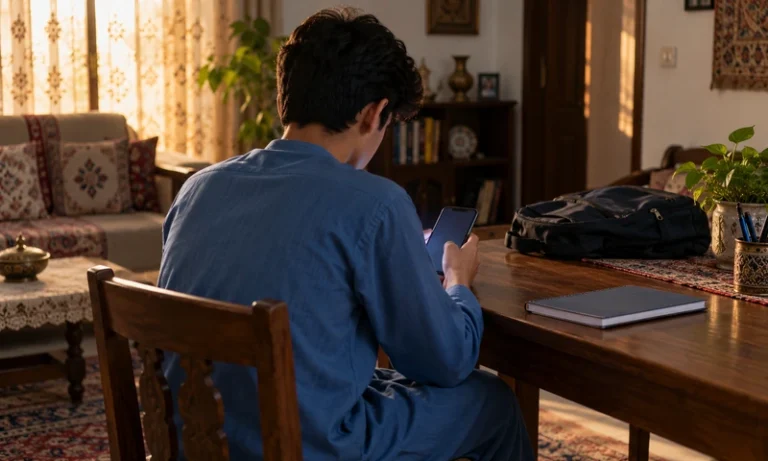
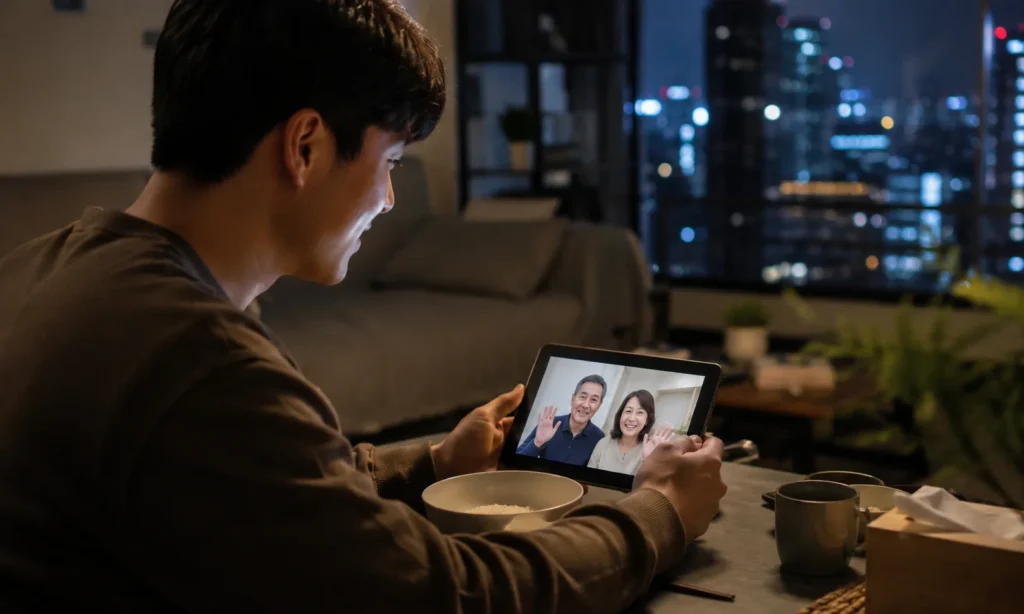
When Vincent Zhang sits down for a meal in Shanghai, he often opens his phone to check in with a pair of people he calls his “virtual parents.”
The middle-aged couple, Pan Huqian and Zhang Xiuping, are among a growing number of Chinese content creators offering emotional support to young followers through short videos on Douyin, China’s version of TikTok.
In one of their most popular clips, they speak directly to viewers with comforting words: “Are you tired from work and study lately? Don’t push yourself too hard. Mum and Dad know that you have endured a lot.”
The message resonates with millions of young Chinese facing mounting economic pressure, fierce workplace competition and difficult family expectations.
The couple has attracted nearly two million followers on Douyin. Many viewers leave comments calling them “mum” and “dad,” sharing personal struggles and asking for birthday wishes or words of encouragement.
Seeking the Support Missing at Home
For 33-year-old tech worker Vincent Zhang, the appeal is simple.
“My parents are never the ones who tell me not to drive myself too hard or that I am already good enough,” he says. “But virtual parents will ask me whether I am happy today.”
Vincent says weekly calls with his parents often leave him stressed. They question his decision to work in technology rather than pursue a government job. They also regularly ask when he plans to get married.
“From the moment the phone call begins, all my actions and choices are wrong, and something to be corrected by them.”
Read More: The Rise of Digital Twins: A New Tool for ADHD Productivity
Pan Huqian understands that feeling. In a 2024 interview with Douyin, he explained that hardship shaped his childhood. At 14, he left home to support his family after his mother became paralysed.
“I left home for 33 years, and my parents have never said a word of encouragement,” he said.
After becoming a father, Pan decided to create a different environment for his own daughter. He regularly tells her he loves her, and she frequently appears in the couple’s videos.
Their content arrives at a time when many young Chinese are questioning traditional family dynamics. China’s younger generation grew up during decades of rapid economic growth and rising living standards. However, the economic slowdown following the pandemic has created new challenges.
According to official data, youth unemployment in China has remained above 15% in recent years despite government efforts to boost hiring and stimulate economic activity.
A Generational Reckoning
Many young Chinese say they feel trapped between personal ambitions and parental expectations. Social media platforms have become outlets for discussions about academic pressure, career choices and the cultural concept of filial piety.
The frustration has even inspired viral online memes known as “gourd soup literature.” The term comes from a comedy skit in which a mother ignores her son’s wishes but insists she is acting in his best interest.
For 28-year-old Zhao Xuan, the humour reflects real-life experiences. She says years of hearing similar arguments from her parents eventually pushed her to mute the family group chat.
“I did go to a therapist, but I gradually realised that crying wouldn’t solve the problem,” Zhao says. “My mom wouldn’t change, so I could only change my own mindset, which is to treat them with the same attitude, as if it was a joke.”
Despite recognising that many virtual-parent accounts operate as commercial businesses, Vincent still finds comfort in them.
Reflecting on a recent video showing a simple supermarket trip, he says it reminded him of childhood memories with his family.
“I believe that a little bit of warmth is better than nothing.”