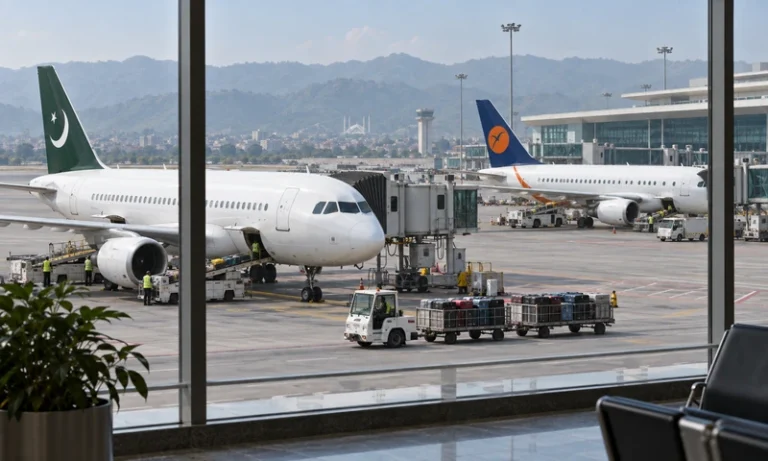

European airlines are heading into the crucial summer holiday season under growing pressure as the Iran-linked conflict drives up jet fuel prices and disrupts key travel routes, threatening their most profitable period of the year.
The summer months typically deliver the highest earnings for airlines, driven by strong leisure travel demand across Europe, the Middle East and Asia. This year, however, rising costs and uncertainty are forcing carriers to rethink capacity, pricing and schedules.
Jet fuel prices have jumped nearly 84 percent since the conflict escalated on February 28, sharply increasing operating expenses at a time when airlines usually maximise margins.
“There is a risk that we’ll see rationing of fuel supply, particularly in Asia and Europe,” said Willie Walsh, head of the International Air Transport Association.
Walsh said supply remains stable for now but warned that prolonged conflict could disrupt availability during peak travel demand.
Bookings Shift as Costs Rise
Airlines say the uncertainty has already begun to affect passenger behaviour. Many travellers are delaying bookings or choosing destinations closer to home to avoid potential disruption and higher fares.
Fuel hedging has helped airlines absorb some of the cost surge so far. However, these protections are beginning to run out, leaving carriers more exposed just as summer travel ramps up.
Read More: PIA Ends Discounts, Cuts Flights Amid Fuel Price Crisis
Sweden’s energy minister Ebba Busch issued an early warning about possible shortages despite current stable supply. She urged travellers to think carefully about their holiday plans.
Some airline executives remain cautiously optimistic. Michael O’Leary said the risk of supply disruption is easing after discussions with fuel suppliers.
Others see mixed signals. Jozsef Varadi said summer bookings remain strong but warned that fuel prices may stay elevated even if the conflict ends.
Meanwhile, carriers such as easyJet and tour operator TUI have reported weaker forward bookings and issued profit warnings, reflecting growing consumer caution.
Profits Under Pressure Despite Strong Demand
Airlines stress that demand for travel remains strong overall, unlike during the pandemic when passenger numbers collapsed.
“I think Covid was on a completely different scale,” Walsh said. “What we’re seeing here is, in effect, a cost issue for the airlines. The underlying demand for aviation remains robust, and that’s a positive.”
Still, higher fuel costs are forcing airlines to raise ticket prices and cut some flight capacity, especially on routes affected by airspace disruptions in the Middle East.
Read More: Jet Fuel Crisis Explained: What It Means for Travelers
Data from Cirium Ascend shows flights by Middle Eastern carriers dropped 50 percent year on year in March. Bookings through major Gulf hubs for the next two quarters are down more than 40 percent.
The Strait of Hormuz remains a critical concern for energy markets, and any disruption could tighten global fuel supply further.
Some airlines have managed to avoid the worst effects. Finland’s Finnair reported stronger demand on Asian routes, while Norwegian said it sees limited risk to supply.
Analysts say the aviation sector has become more resilient after past crises. “They’re much, much more agile now than they were,” said Cirium’s George Dimitroff.
Even so, the coming weeks will test airlines’ ability to navigate rising costs during the most important revenue window of the year.