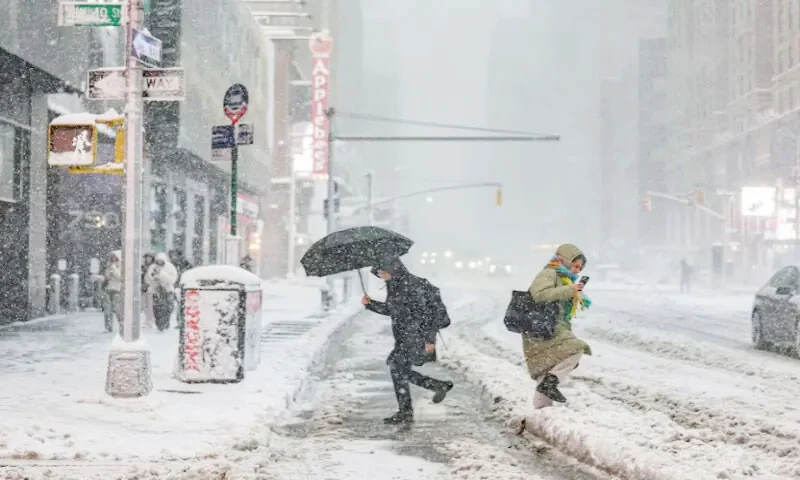
A massive winter storm battered the northeastern United States beginning late Sunday and into Monday, forcing millions to stay home under blizzard warnings and travel bans. Snowfall totals topped 2 feet (61 centimeters) in many areas, with some places like Warwick, Rhode Island receiving over 3 feet of snow and wind gusts strong enough to create whiteout conditions across major metropolitan centers from Maryland to Maine. Officials described it as the strongest storm in a decade for parts of the region.
National Weather Service forecasters confirmed the storm was a classic nor’easter that rapidly intensified into a “bomb cyclone,” a meteorological phenomenon where pressure drops sharply over a short time. This intensification fueled heavy snow, hurricane-force wind gusts, thundersnow and difficult travel conditions along the Eastern Seaboard.
Travel Chaos and Flight Cancellations
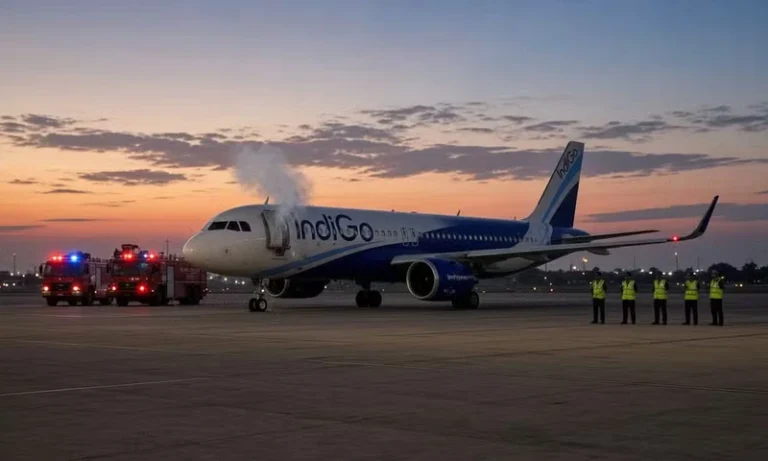
Air travel across one of the nation’s busiest corridors was ground to a halt. Over 8,000 flights were canceled or severely delayed as airports struggled to maintain operations amid snow-covered runways and low visibility. Major hubs including New York’s JFK and LaGuardia, Boston Logan, Newark and Philadelphia International were hardest hit.
JetBlue reported it canceled or disrupted nearly 80% of its flights, affecting thousands of passengers. Airlines hoped to resume more normal schedules by Tuesday if weather conditions improved, but forecasters warned that lingering snow and cold may continue to hamper efforts.
Powerful winter storm slams Northeastern US, leaving over half a million people without powerhttps://t.co/N4rGiYlToU
🎥: @vuralelibol pic.twitter.com/mhD8IGu2Zq
— Anadolu Images (@anadoluimages) February 23, 2026
Power Outages and Emergency Declarations
The storm knocked out electricity for hundreds of thousands. In Massachusetts alone, more than 270,000 customers were without power, while outages spanned the region as heavy, wet snow downed trees and damaged power lines. Officials warned that crews faced dangerous working conditions and that restoration could take several days.
Governors across several states declared states of emergency, and officials urged residents to stay off the roads unless absolutely necessary. New York City Mayor Zohran Mamdani implemented a travel ban and suspended non-essential movement to help protect public safety.
BREAKING NEWS🚨: A massive snowstorm is hitting New York and the northeastern United States. A state of emergency has been declared in the city.pic.twitter.com/YLM6zTKk5F
— All day Astronomy (@forallcurious) February 24, 2026
Daily Life Disrupted: Schools, Transit and Workplaces
Across New York, New Jersey, and neighboring states, schools closed for the first traditional snow day in years and public transit systems experienced stoppages or delays. Rhode Island’s TF Green Airport temporarily shut down after record snowfall, while bus, Amtrak rail and local transit faced ongoing interruptions.
Businesses and cultural institutions, including Broadway theatres, suspended operations as hazardous conditions made commuting difficult. Citizens reported teams of neighbors collaborating to clear heavy snow from driveways and walkways as the region began recovery efforts.
What Comes Next
Meteorologists are tracking another storm system expected later in the week that could bring additional snow, complicating cleanup and recovery. The National Weather Service continues to warn residents to prepare for dangerous wind chills, low visibility and potential infrastructure impacts as temperatures remain well below normal for the season.