Heatwaves are intensifying across many parts of South Asia, raising serious concerns about the health of children and infants, who remain among the most vulnerable groups during extreme temperatures.
Rising temperatures have increased the risk of dehydration, heat exhaustion and heatstroke among children. Health experts warn that young bodies struggle to regulate heat efficiently and depend entirely on caregivers for hydration and protection.
Read More: Heatwaves Trigger Rise in Domestic Violence Against Women
“Identifying early warning signs and following strict safety protocols can prevent severe conditions like heat exhaustion or life-threatening heatstroke,” guidance shared with HT Lifestyle noted.
Why children face greater risk
Children face higher risk during heatwaves because their bodies cannot cool down as effectively as adults. They also rely on adults for timely hydration and appropriate care.
Health authorities, including global agencies like the World Health Organization, have repeatedly warned that extreme heat events are becoming more frequent due to climate change, increasing health risks for vulnerable populations.
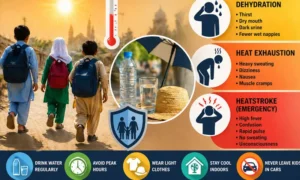
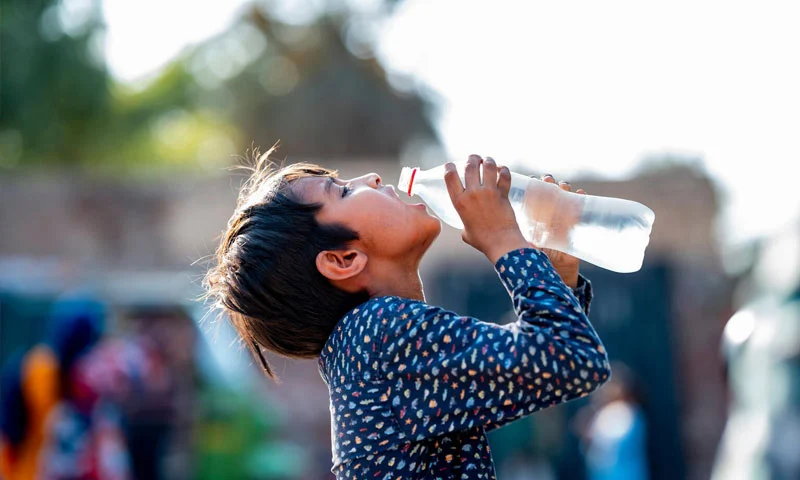
Experts advise that hydration must remain the top priority. Children should drink water every 30 to 40 minutes, even if they do not feel thirsty. Infants under six months should receive additional breast milk.
Sugary and caffeinated drinks should be avoided as they can worsen dehydration.
Key precautions during extreme heat
Limiting outdoor exposure remains critical. Children should stay indoors during peak heat hours between 11am and 4pm. Outdoor activities should be scheduled early in the morning or later in the evening.
Read More: Doctors Say Heart Attacks Give Silent Warnings We Often Ignore
Clothing also plays an important role. Lightweight, loose fitting and light coloured cotton garments help keep the body cool. When outdoors, children should wear wide brimmed hats and use sunscreen with SPF 30 or higher, reapplied every two hours.
Maintaining a cool indoor environment can reduce risk. Curtains and blinds should remain closed during the day to block sunlight. Fans or air conditioning can help, though direct airflow on infants should be avoided in extreme heat above 35 degrees Celsius.
Caregivers must also follow strict safety rules around vehicles. Temperatures inside parked cars can reach dangerous levels within minutes, even if windows are slightly open.
Warning signs and emergency response
Experts outline three stages of heat related illness in children, each requiring prompt attention.
Mild dehydration often begins with thirst, dry mouth, fewer wet nappies and dark urine. Caregivers should offer small, frequent sips of water or oral rehydration solutions.
Read More: Anxiety Isn’t Just Overthinking: The Symptoms People Miss and What Helps
Heat exhaustion can develop quickly and includes symptoms such as heavy sweating, dizziness, nausea, muscle cramps and cool or clammy skin. Moving the child to a cool area, loosening clothing and applying damp cloths can help.
Heatstroke remains a medical emergency. Symptoms include high fever above 104 degrees Fahrenheit, confusion, rapid pulse, absence of sweating or unconsciousness. Emergency services should be contacted immediately while cooling measures begin.
As heatwaves continue to intensify, experts stress that awareness and early action remain key to protecting children from serious harm.