Tetra Pak has urged Pakistan to reform food safety laws, taxation and infrastructure as the country confronts widespread child stunting and malnutrition.
Food safety and tax reforms
“Pakistan’s nutrition challenge goes beyond food availability. It is about ensuring nutritious products remain safe and high-quality while reaching consumers efficiently and affordably. Strengthening food processing, packaging, storage and distribution can help attract more investment across the food value chain, supported by the right policies,” said Noor Aftab, Director, Corporate Affairs for Pakistan, Middle East, North and West Africa at Tetra Pak.
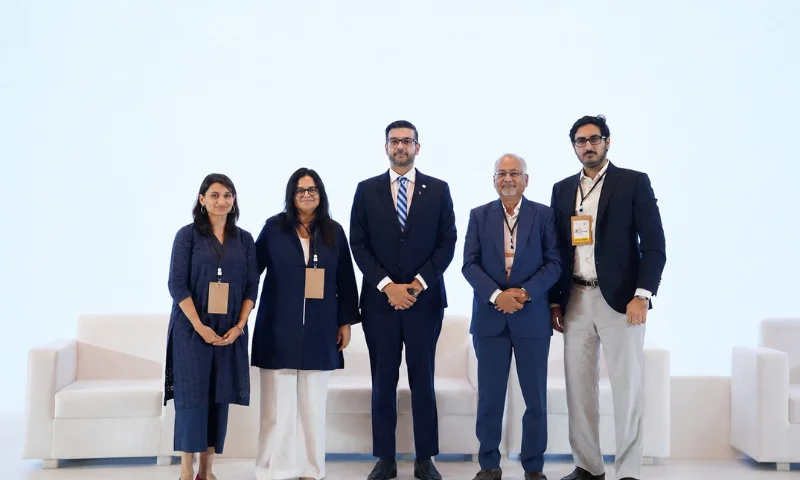
Aftab spoke during a recent two-day high-level dialogue in Islamabad. The event brought together global development leaders, policymakers and private sector stakeholders to address Pakistan’s escalating nutrition crisis.
Speaking alongside food policy experts and corporate sustainability leaders, he called for comprehensive changes in food safety legislation and taxation. He said updated laws must support safe, scalable and processed nutritional products.
Aftab also sought structural fiscal reforms and tax relief to keep nutrient-dense foods affordable. He said this had become especially important amid high inflation and weakening purchasing power.
“A food or a product may be full of nutrition but may not be safe to consume,” he said.
He called food safety the “critical middle” of the food system. Processing, packaging, logistics, storage and transportation determine whether nutritious food reaches consumers safely, he added.
The dialogue described stunting, which affects four in every 10 Pakistani children under five, as a “national emergency”. UNICEF also reports widespread micronutrient deficiencies among Pakistani children.
Dairy industry holds major potential
Aftab identified dairy as a clear route to better nutrition and broader economic gains. Pakistan’s large milk output could strengthen farmer incomes, food security, industrial growth and future exports, he said.
The UN Food and Agriculture Organization ranks Pakistan among the world’s largest milk producers. Its latest outlook estimated national milk production at 66 million tonnes in 2024.
The Pakistan Economic Survey 2025-26 says livestock contributes 62.4 percent of agricultural value addition and 14.6 percent of GDP.
“Average milk yields in Pakistan remain considerably below those achieved in leading dairy markets, creating an opportunity to improve productivity while strengthening the economics of dairy farming. Higher productivity, combined with greater processing capacity and stronger food safety systems, could significantly expand the economic potential of Pakistan’s dairy industry,” Noor said.
School feeding programmes
Aftab also presented school feeding as a model for linking nutrition programmes with reliable food systems and sustained partnerships.
Tetra Pak has supported school milk programmes globally since 1962. Millions of children have received milk and fortified beverages in its packages across countries.
The company says 66 million children in 44 countries received milk or other nutritious drinks in Tetra Pak packages at school in 2022.
Participants concluded that Pakistan must repair supply chain incentives, improve workforce capabilities and standardise food safety nationwide to tackle malnutrition.