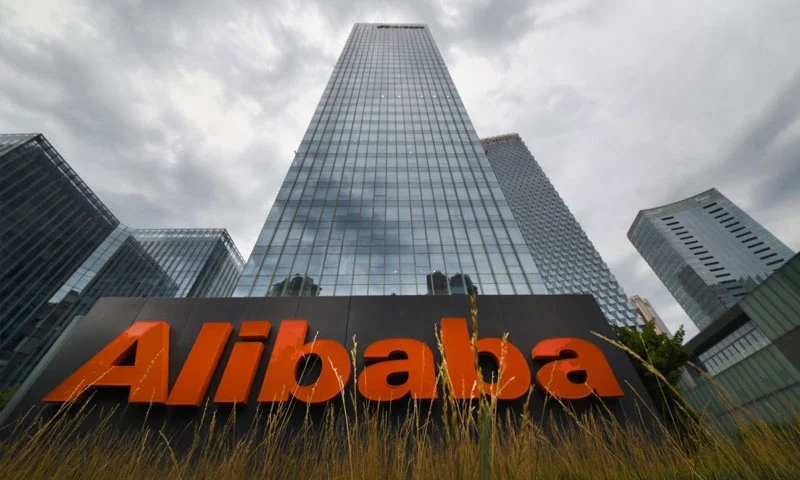
Alibaba’s AliExpress has received the largest penalty yet under the European Union’s Digital Services Act (DSA), after regulators fined the online marketplace €550 million ($629 million) for failing to properly tackle illegal, unsafe and counterfeit products on its platform.
The European Commission announced the record fine on Monday, saying AliExpress failed to meet its obligations to assess and reduce risks linked to illegal goods being sold through its marketplace. The decision marks the third major enforcement action under the EU’s landmark digital regulation, which requires large online platforms to take stronger action against harmful and illegal content.
Read More: Pakistan Moves to Bring Online Earnings Into Formal Tax System
EU regulators began investigating AliExpress after charging the company in June last year with failing to comply with DSA requirements. The Commission said the platform did not effectively identify risks related to illegal products and did not take sufficient steps to prevent them from spreading.
EU officials gave AliExpress until October 20 to propose corrective measures. The company could face additional penalties if regulators determine in December that the proposed actions do not meet DSA requirements.
EU Warns of Risks to Consumers and Businesses
EU technology chief Henna Virkkunen said the platform’s failures created risks for consumers and businesses that follow European rules.
“This is very dangerous for consumers, unfair for companies which are complying with all our rules,” Virkkunen told reporters.
She highlighted AliExpress’s large European user base, saying the platform had 193 million users in Europe last year, compared with 156 million for Shein and 130 million for Temu.
“One in five Europeans say they shop once a month from Shein, Temu and AliExpress,” Virkkunen said.
Read More: 82% of Pakistanis Use AI While Shopping Online, Visa Study Finds
The European Commission said AliExpress allowed illegal products, including counterfeit goods, unsafe toys and dangerous cosmetics, to remain available on its platform for extended periods.
Regulators also criticised the company’s recommendation and advertising systems, saying they contributed to the visibility of illegal products. They also said AliExpress relied too heavily on a single measurement system to evaluate whether its moderation efforts were effective.
The Commission found that AliExpress’s brand authorisation system, which aims to prevent counterfeit sales, was ineffective and lacked enough staff. Officials said some sellers could bypass the system and continue offering fake products.
AliExpress Plans Appeal Against Record Fine
AliExpress rejected the EU’s findings and said it would appeal the penalty.
“Today’s decision and disproportionate fine ignores our sound risk management framework and the significant, proactive enhancements we have made,” the company said in an email.
The company added that it had worked with the European Commission to meet what it described as “evolving expectations.”
The €550 million penalty is significantly higher than previous DSA fines. Elon Musk’s social media platform X received a €120 million fine in December last year, while Chinese shopping platform Temu was fined €200 million in May for similar regulatory breaches.
Read More: The New Online Shopping Rule: Shoppers Want Speed, Clarity, and Zero Surprises
The EU said the final penalty could have been higher, but regulators considered the relatively recent introduction of the Digital Services Act as a mitigating factor.
Under the DSA, companies can face fines of up to 6% of their global annual turnover for serious violations.
The decision comes as European regulators increase pressure on major online marketplaces over product safety, counterfeit goods and consumer protection. Shein is currently facing its own investigation, while Temu has already received a DSA penalty.