
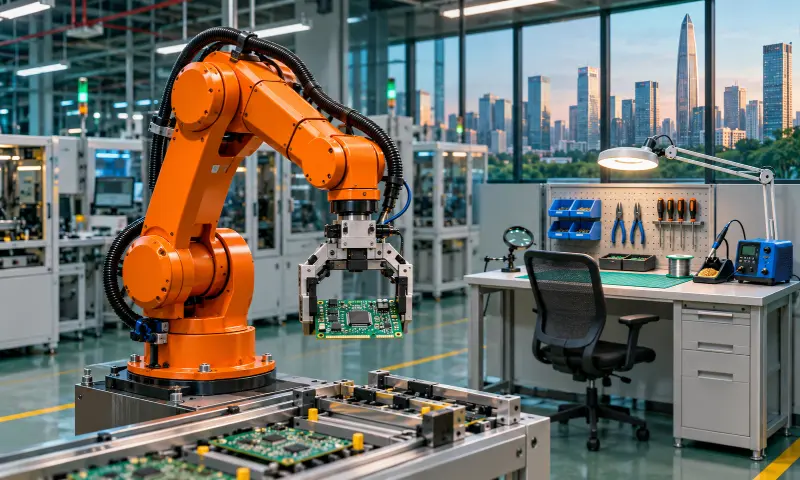
Leaders from 21 Asia-Pacific economies adopted a statement on digital technology and employment at the 33rd APEC Economic Leaders’ Meeting. Chinese President Xi Jinping chaired the meeting in Shenzhen. The statement calls on economies to use new technology to boost productivity, encourage innovation and support full employment. It also links industrial upgrades to skills training and stronger protections for workers.
Leaders encouraged the use of digital technology to facilitate trade and support innovation in energy and agriculture. They also backed its use in education, transport and healthcare. The aim is to improve the quality of public services and make them easier to access.
Micro, small and medium-sized enterprises are a focus of the plan. In September, APEC ministers said small and medium-sized firms accounted for more than 97% of businesses across the Asia-Pacific. The Shenzhen declaration calls for better access to capital, skills training and affordable digital tools. These measures could help businesses improve efficiency, reach new markets and create jobs. APEC also wants digital adoption to help businesses and workers move from informal activity into the formal economy.
Jiang Tianjiao, an associate professor at Fudan University’s Development Institute, said APEC could help narrow the AI divide between economies. He pointed to open technologies, shared examples of how to use them and cooperation on managing risks.
In a November 12 interview, Canadian researcher Alejandro Reyes said businesses need the skills and resources to use technology effectively. Reyes is a senior fellow at the University of Hong Kong’s Center on Contemporary China and the World. He highlighted shared computing resources, open AI models for Asian languages and worker training. He said cooperation in these areas was especially important for developing economies.
The statement calls for wider internet access, stronger digital literacy and more vocational training. It encourages economies to help workers upgrade existing skills or learn new ones as employers’ needs change. Public and private employment services could also use digital tools to connect job seekers with vacancies.
Leaders urged economies to protect workers’ rights as businesses introduce new technologies. They also called for using digital tools to improve job quality, working conditions, and occupational safety and health.
The APEC Human Resource Development Working Group will coordinate implementation with other APEC bodies. It can also work with the APEC Business Advisory Council and the Pacific Economic Cooperation Council where appropriate. APEC will report progress in its annual Senior Officials’ Report on Economic and Technical Cooperation.