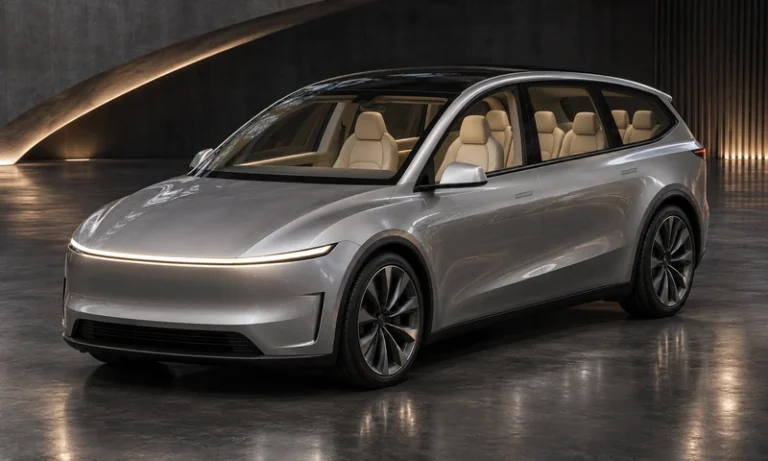

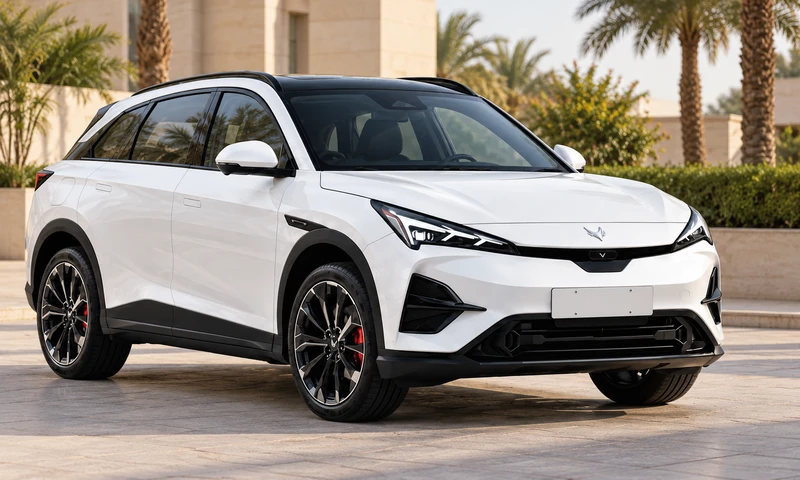
The Federal Board of Revenue (FBR) has upheld the electric vehicle customs classification of two range-extended electric vehicles (REEVs) after an appeal by Indus Motor Company (IMC). The November 16, 2026 order covers the Deepal S05 REEV and Forthing Friday REEV. Both models remain under Pakistan Customs Tariff (PCT) subheading 8703.80, which covers vehicles that use only electric motors for propulsion.
Indus Motor, which assembles Toyota vehicles in Pakistan, had asked the FBR to classify both models as hybrids. The company argued that the presence of an internal combustion engine warranted hybrid treatment. The dispute had tax implications because electric vehicles can qualify for lower taxes than hybrids. The FBR heard the appeal on November 5 at its headquarters in Islamabad.
Why the petrol engine did not make these models hybrids
The dispute turned on what the petrol engine does. In both models, an electric motor drives the wheels. The petrol engine runs a generator that supplies electricity, allowing the vehicle to travel beyond its battery-only range. The engine has no mechanical connection that lets it drive the wheels.
Read More: Kia Raises Hybrid Prices by Up to Rs1.2 Million in Pakistan
In its earlier ruling, the customs classification committee found that an engine used solely to charge the battery does not constitute a “motor for propulsion”. The committee said the relevant hybrid subheadings require both the combustion engine and the electric motor to contribute to propulsion. It therefore placed the two models under the more specific Pakistani tariff code 8703.8090.
That notice identified Master Changan Motors with the Deepal S05 and Capital Smart Motors as the importer of the Forthing Friday. The committee limited its determination to the technical configurations it examined. For automakers considering other range-extended models, the ruling shows why the powertrain layout matters when customs officials assess an import.
What the FBR ruling means for taxes and car prices
The decision gives importers and automakers more clarity on the tariff code for the two models. Eligibility for any duty concession, exemption or incentive remains a separate question. The committee’s original notice said its authority extended only to determining the correct tariff classification. The appeal outcome itself changes neither the applicable tax rates nor the retail prices of the two vehicles.
Read More: Don’t Miss Out: Forthing Friday REEV Gets Limited-Time Price Cut
International tariff rules will also distinguish this type of vehicle more explicitly. The World Customs Organization’s 2028 Harmonized System creates subheading 8703.81 for vehicles that use electric propulsion and carry a combustion engine to charge the battery. The customs committee said the existing framework would continue to govern the two models until Pakistan implements the 2028 system or creates a specific national subheading