Ford Motor has acknowledged that artificial intelligence and automation alone cannot replace the expertise of experienced engineers in designing and building high quality vehicles, marking a significant shift in how one of the world’s largest automakers approaches product development.
The company has strengthened its engineering teams by hiring, rehiring and promoting around 350 experienced technical specialists after concluding that AI powered systems could not solve every quality challenge on their own. Ford executives said veteran engineers now play a central role in improving vehicle quality, mentoring younger employees and helping refine AI based quality tools.
The move follows years of heavy investment in automation and artificial intelligence to accelerate engineering processes, detect manufacturing defects and improve efficiency across vehicle development.
While AI remains an important part of Ford’s production strategy, company leaders now say technology performs best when paired with experienced human judgment.
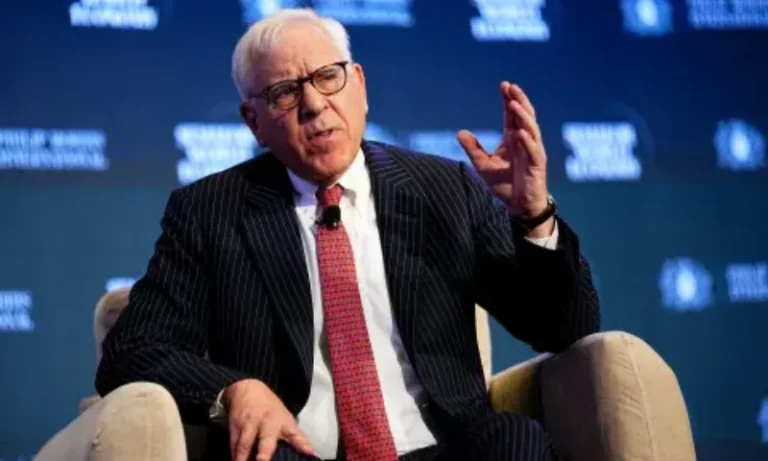
Charles Poon, Ford’s Vice President of Vehicle Hardware Engineering, said: “Artificial intelligence is a fantastic tool, but it’s only as good as information you use to train it.”
Human Expertise Returns to the Forefront
Ford’s renewed focus on experienced engineers reflects the company’s recognition that practical knowledge, critical thinking and decades of engineering experience remain difficult for AI systems to replicate.
According to the company, veteran engineers now lead design reviews, improve automated testing systems and help identify complex issues before vehicles reach customers. Their experience also supports younger engineers by transferring technical knowledge that cannot easily be captured through software alone.
The company admitted it had previously overestimated what artificial intelligence could achieve without sufficient human oversight.
“Mistakenly, we thought that by just introducing artificial intelligence and adjusting the design requirements that we had, that that would produce a high quality product,” Poon said during a media briefing.
Ford’s quality improvement efforts have already produced measurable results. The automaker recently ranked as the highest rated mainstream brand in the latest JD Power Initial Quality Study, a major turnaround after years of struggling with quality concerns. However, the company continues working to reduce recalls and improve long term reliability.
AI Works Best Alongside Experienced Engineers
Industry experts increasingly argue that AI should enhance engineering rather than replace it. Artificial intelligence can rapidly process vast amounts of data, automate repetitive tasks and identify patterns that humans might overlook. However, it still lacks the creativity, judgment and real world problem solving abilities that experienced engineers develop over decades.
Ford’s experience highlights a broader lesson for businesses embracing AI across manufacturing and other industries. Technology can improve productivity, but human expertise remains essential for maintaining quality, making critical decisions and driving innovation.
Rather than replacing people with machines, Ford’s strategy now focuses on combining the speed of artificial intelligence with the knowledge and experience of skilled engineers. The company’s latest approach suggests that the future of manufacturing will depend on collaboration between advanced technology and human talent, not one replacing the other.