Artificial intelligence is rapidly expanding beyond smartphones and cars into the cycling industry, where manufacturers are introducing AI bicycles that can improve safety, adjust performance and simplify riding through advanced algorithms and sensors.
The latest innovations are on display at EUROBIKE 2026 in Frankfurt, where companies are showcasing AI powered bicycles and digital services aimed at reviving a market that has struggled since the post pandemic slowdown.
One of the biggest attractions at the exhibition is Avinox, an electric bicycle motor manufacturer backed by Chinese drone giant DJI. The company has developed an intelligent motor system that continuously analyses a cyclist’s movements and surrounding terrain through built in sensors.
The system automatically adjusts pedal assistance in real time, helping riders tackle changing road conditions without making manual adjustments.
“This makes the ride easier and safer without having to think about it,” Avinox developer Ferdinand Wolf said.
The technology also allows riders to connect their heart rate monitors to the bicycle. The AI system then changes the motor’s level of assistance based on the rider’s physical condition, making long rides more comfortable while reducing unnecessary strain.
AI safety systems aim to prevent cycling accidents
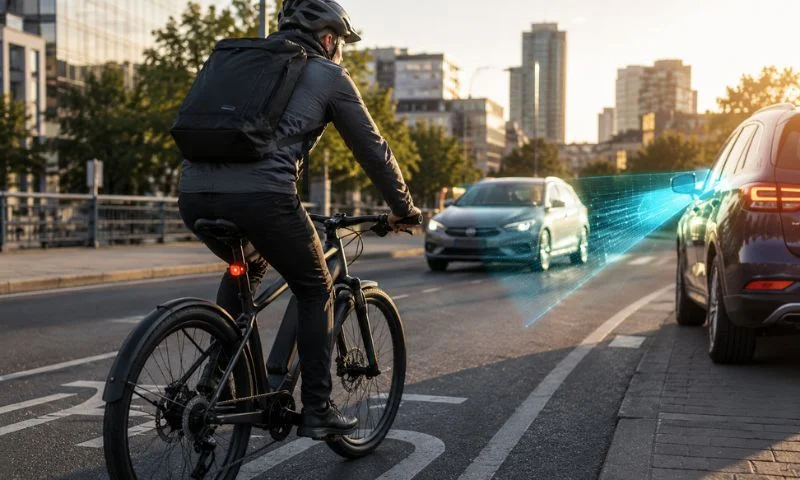
Artificial intelligence is also reshaping bicycle safety. German bicycle manufacturer Canyon has unveiled a prototype racing bike equipped with cameras and radar sensors that monitor surrounding traffic and identify potential dangers before riders notice them.
The system can detect hazards such as parked vehicles whose doors may suddenly open into a cyclist’s path.
“It alerts cyclists to the presence of elements they do not necessarily perceive,” Canyon spokesman Ben Hilldson said.
“If a car is parking, the system can anticipate the opening of a door and warn the cyclist,” he added.
Depending on user preferences, the system sends warnings through lights mounted on the bicycle frame, vibrations in the handlebars or audio and visual alerts displayed inside a smart helmet visor.
Although the technology remains in the prototype stage, Canyon is also working with Volkswagen on a communication platform that will allow bicycles to exchange information with nearby vehicles and road infrastructure. The companies expect to launch the system in about three years. However, most vehicles currently on the road cannot yet support that type of communication.
Digital services expected to support market recovery
Artificial intelligence is also changing customer services across the cycling industry. German insurer Linexo expects around 90 percent of bicycle insurance claims to be processed automatically by the end of this year.
“Automation handles standard cases, while experts review complex claims and detect fraud, the only way to keep insurance premiums stable,” said Soeren Hirsch, head of Linexo’s bicycle division.
Meanwhile, start up Wunderfix uses AI through a mobile application that connects customers, repair shops and retailers. Cyclists can diagnose faults and complete simple repairs themselves. The company says it has already handled around 3,000 service requests this year.
Industry analysts believe these innovations could help revive the European bicycle market, which declined for a third consecutive year in 2025. According to EY Parthenon, sales fell four percent to 15.2 million bicycles. However, the consultancy expects the market to stabilise this year before gradually recovering. It forecasts industry revenue will reach 21.2 billion euros by 2031, supported by infrastructure investment and “digital and data-driven offerings.”