Yemen’s Iran-aligned Houthis are moving closer to the Bab al-Mandab Strait, raising fears of fresh disruption to global oil supplies and maritime trade.
The group launched a major ground assault around the strategic waterway and reportedly captured the coastal city of Mokha. The advance comes as fighting with Saudi-backed forces intensifies across western Yemen.
Hundreds of people have reportedly died in the clashes. The Houthis and Saudi Arabia have also exchanged strikes, further threatening one of the world’s busiest shipping corridors.
Why Bab al-Mandab Matters
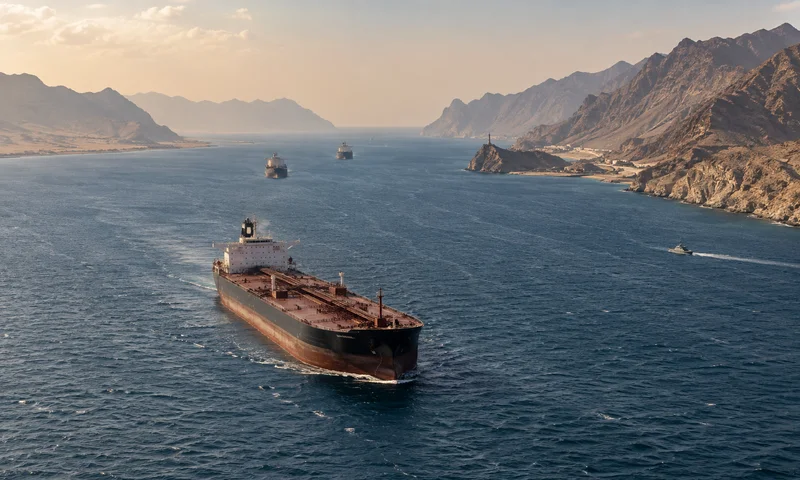
Bab al-Mandab means “Gate of Tears” in Arabic, a name linked to the strait’s history of shipwrecks. It connects the Red Sea with the Gulf of Aden and Indian Ocean.
The waterway stretches about 100 kilometres and narrows to only 30 kilometres at its tightest point. It separates Yemen from Djibouti and Eritrea.
Read More: Iran Threatens Gulf Oil Shutdown as US Plans ‘Economic D-Day’
Tankers and cargo vessels use the route to reach the Mediterranean through the Suez Canal. This route shortens journeys between Asia, Europe and North America by thousands of kilometres.
Traffic has remained weak since Houthi attacks disrupted Red Sea shipping during the Gaza conflict. IMF PortWatch data showed transits falling from 26,895 ships in 2023 to 14,498 in 2024. The figure dropped further to 14,070 in 2025.
Average traffic between January and August 2026 stood at 40.8 vessels per day. That was only slightly more than half the pre-crisis level.
Saudi Oil Shipments Face Growing Threat
Bab al-Mandab carried about 12 percent of global oil shipments in 2023, according to the US Energy Information Administration. Its importance grew after Iran restricted traffic through the Strait of Hormuz.
Saudi Arabia responded by increasing crude exports from its Red Sea port of Yanbu. Shipments averaged around 3.8 million barrels per day between March and July, according to Kpler estimates.
That volume was about five times the pre-war level. It also equalled roughly 4.5 percent of the crude processed by refineries worldwide in 2025.
However, Saudi shipments fell to 1.5 million barrels per day in August after the Houthis resumed attacks in July. Preliminary Kpler data placed exports at 2.44 million barrels per day during September’s first nine days.
Andreas Krieg, a security expert at King’s College London, said the “biggest danger is not necessarily physical closure of Bab al-Mandab but persistent uncertainty”.
“I would expect prolonged instability to suppress traffic through Suez and impose significant costs on Egypt, while adding time and expense to Europe-Asia trade,” he said.
Houthi Gains Could Reshape Regional Conflict
The wider Middle East war began on February 28 when the United States and Israel attacked Iran. Tehran retaliated with strikes across the region.
Fighting in Yemen resumed in July after an Iranian aircraft landed despite Saudi control of Yemeni airspace. Saudi-backed forces struck the airport, helping unravel the 2022 truce.
Read More: $37.5 Billion Spent on Iran War as Trump Seeks $90 Billion More
The Houthis then declared a maritime blockade of Saudi Arabia and attacked its tankers and territory. Their advance toward Bab al-Mandab could now increase Iran’s ability to pressure Gulf energy exports.
Krieg said Houthi gains would provide “extraordinary strategic leverage”.
“Controlling the coast would strengthen Houthi maritime coercion, but the ability to impose risk on shipping already exists without territorial control of the strait,” he added.