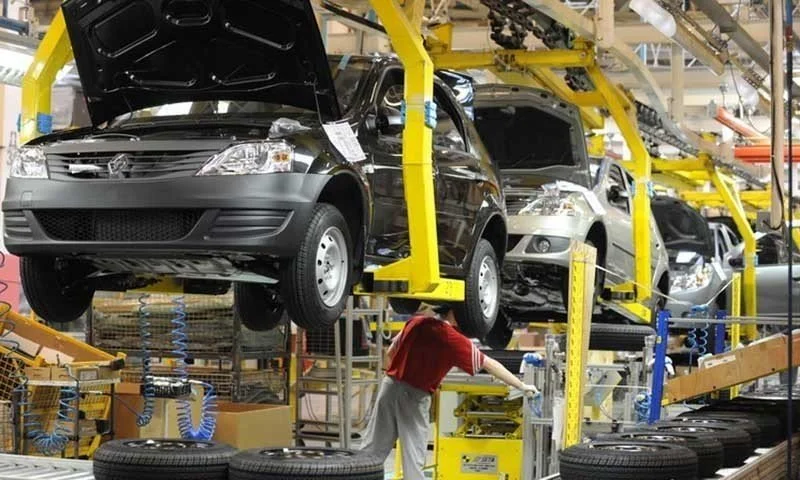
Pakistan’s auto sector is gaining momentum as Indus Motor Company announced an additional Rs1 billion investment to expand local auto parts production. The move strengthens localisation efforts and promises long-term economic benefits for the country.
Indus Motor Accelerates Localisation Drive
Indus Motor Company has approved fresh funding to scale up domestic manufacturing of vehicle components. This step builds on its earlier Rs4.1 billion commitment made in 2024. As a result, the total investment in localisation now stands at Rs5.1 billion.
Read More: Pakistan Builds EV Charging Network Across Motorways
The company will use the funds to install plant and machinery, develop moulds and dies, and enhance production capacity. Moreover, it has extended the project timeline to 2027, showing a phased and sustained approach.
Industry experts say this decision reflects renewed confidence in Pakistan’s manufacturing sector. After a period of slowdown, companies are now actively rebuilding operations and supply chains.
Economic Gains and Import Relief
The investment is expected to reduce Pakistan’s reliance on imported auto parts. As a result, it can ease pressure on foreign exchange reserves, which remain a key concern for policymakers.
At the same time, stronger localisation will support domestic vendors and engineering firms. This creates a ripple effect across the supply chain. In addition, it opens doors for technology transfer and skill development.
Read More: Pakistan’s Electric Revolution Gains Momentum as Bold Shift Targets Fuel Import Reduction
Economists highlight that local production reduces exposure to currency fluctuations. Consequently, it helps stabilise costs for manufacturers and improves overall efficiency.
Benefits for Consumers and Industry
For consumers, the impact may appear gradually. However, increased local production can improve vehicle availability and reduce delivery delays. Over time, it may also help stabilise car prices.
Read More: Changan Unveils UNI-S SUV in Pakistan, Targets Premium Market
Furthermore, the move signals a broader recovery in Pakistan’s auto sector. In recent years, production cuts and import restrictions had disrupted the market. Now, easing constraints and improved economic stability are supporting a turnaround.
Analysts believe continued investment in localisation will strengthen the industry’s foundation. If sustained, it could shift Pakistan from an assembly-based model to a more value-driven manufacturing hub.