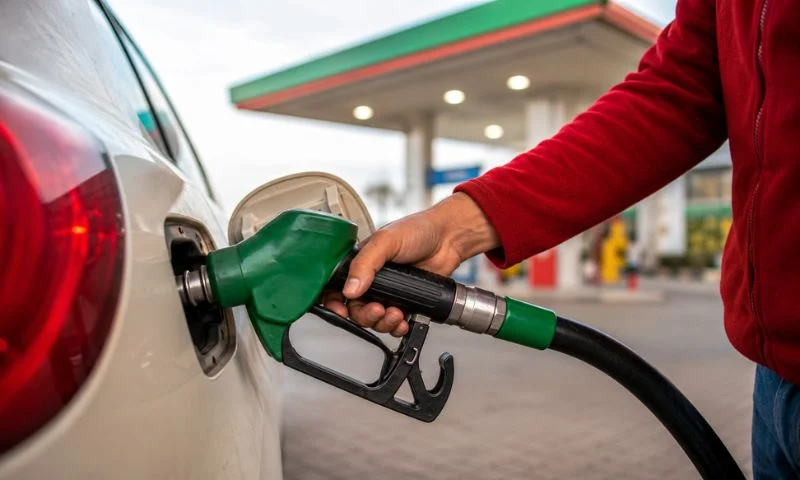
The federal government is considering a major change to Pakistan’s petroleum pricing system. Officials are discussing a shift from fortnightly fuel price revisions to weekly or even daily reviews. The move comes as renewed tensions in the Strait of Hormuz create uncertainty in global energy markets.
The proposal came up during the fourth meeting of the high level committee formed by Prime Minister Shehbaz Sharif to review the petroleum pricing mechanism. The committee also discussed plans to operationalise a petroleum price stabilisation fund that could help protect consumers from sudden price shocks.
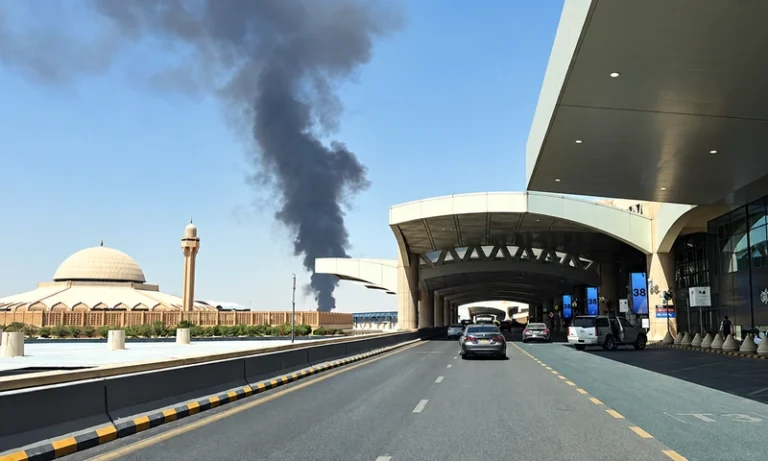
Global oil markets have turned volatile after fresh tensions around the Strait of Hormuz. The waterway handles nearly one fifth of the world’s oil trade. Brent crude recently climbed to around $85 per barrel as traders reacted to fears of supply disruptions, according to Reuters.
Government weighs faster fuel price reviews
Officials are studying a pricing model that would allow petrol and diesel prices to change every week or even every day.
Pakistan temporarily shifted from fortnightly to weekly fuel price reviews during earlier market disruptions linked to the Iran US conflict. Officials took that step to prevent fuel shortages. India already updates retail fuel prices every day.
Petroleum Minister Ali Pervaiz Malik urged the committee to establish a transparent system for the proposed stabilisation fund.
He said, “A proper mechanism for the fund should be finalised to avoid its use based on political considerations.”
He added, “Relief should be provided to oil consumers.”
Sources said that the committee will submit proposals on the pricing mechanism and the stabilisation fund at its next meeting. Members must also decide how the fund will generate revenue.
KPMG presented a detailed study during the meeting. The consultancy outlined the benefits and risks of reviewing fuel prices daily or twice a week. It also warned that the renewed closure of the Strait of Hormuz could trigger fresh oil price shocks.
The study noted that petrol prices in Pakistan remain lower than those in Bangladesh, Sri Lanka and Türkiye.
Refinery reforms and transparency measures
The government recently increased petrol and diesel prices by nearly Rs14 per litre after fresh tensions disrupted global oil markets.
Malik said the committee’s work had become more important because of “the renewed closure and resulting uncertainty in global energy markets.”
He also said petrol prices in Pakistan remain lower than those in Bangladesh, Sri Lanka and Türkiye. They remain broadly comparable with prices in India.
The minister said the government has proposed changes to the Refinery Policy. The amendments aim to increase local diesel production and reduce dependence on imported diesel.
The committee also asked OGRA to publish daily Platts pricing data on its website. Officials believe the move will improve transparency by giving the public direct access to the benchmark used to calculate fuel prices.
Members agreed that the petroleum price stabilisation fund should operate under “a fully rule based framework with clearly defined mechanisms for funding and disbursements.” They said the framework would keep the fund transparent and protect it from arbitrary decisions.
Final recommendations due after next meeting
Committee members also stressed the need to digitise Pakistan’s oil supply chain. They believe digitisation will improve efficiency and strengthen oversight.
Malik instructed members to complete their work at the next meeting. After that, the committee will submit its recommendations to Prime Minister Shehbaz Sharif.
Federal Minister for Economic Affairs Ahad Khan Cheema, Minister of State for Finance Bilal Azhar Kayani, OGRA Chairman Nabeel Awan, representatives from KPMG, Pakistan State Oil, the Finance Division, the Ministry of Law and Justice, the Petroleum Division and other committee members attended the meeting.
Energy analysts have warned that prolonged disruption in the Strait of Hormuz could push crude oil prices much higher. That would increase import costs and inflationary pressure for countries such as Pakistan, Reuters reported.