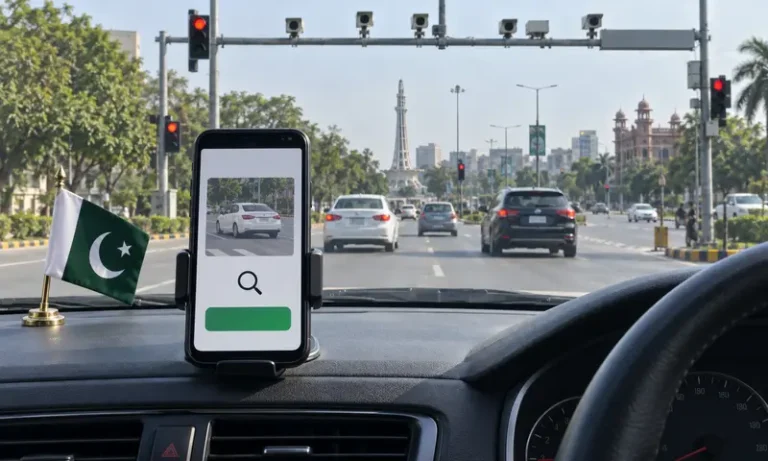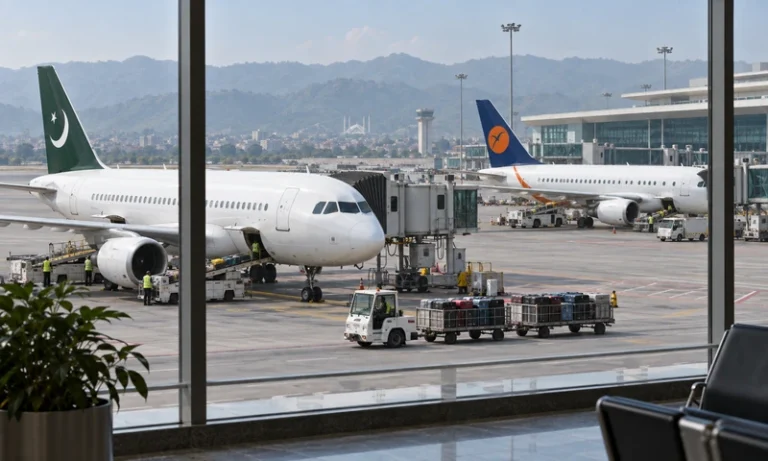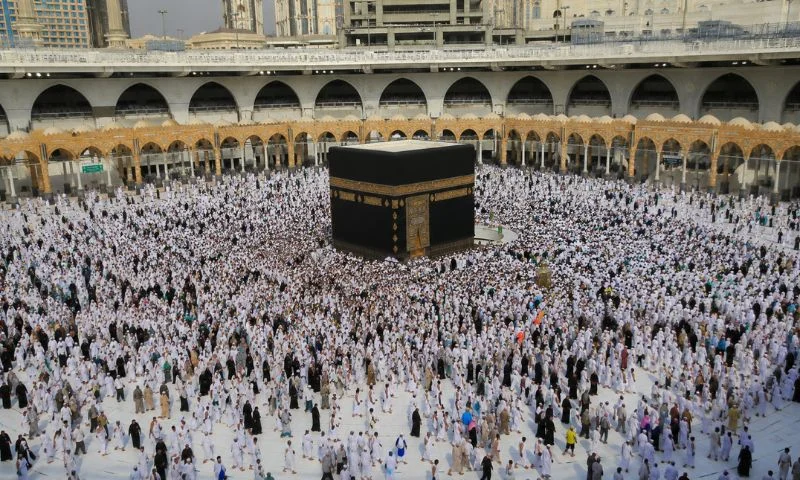
Pakistan’s religious affairs ministry has published its first four-year Hajj Policy and Plan for 2027 to 2030. The federal cabinet approved it on July 7 to improve long-term planning, service quality and efficiency.
The 16-page policy allows three-to-four-year contracts in Saudi Arabia for flights, accommodation, catering, ground transport and baggage handling. Officials expect longer agreements to reduce costs and secure services earlier, subject to Saudi rules. The government will receive 60% of Pakistan’s Hajj quota, while private operators will manage 40%. Any change will require cabinet approval.
Read More: Hajj 2027 Registration Opens in Pakistan Through Pak Hajj App
Registration, Savings and New Options
The ministry will introduce a multi-year registration list and Hajj Savings Scheme, allowing applicants to choose their intended Hajj year. A pilgrim who deposits 10% of the estimated cost will enter the priority waiting list. Selection will follow a first-come, first-served system.
Government pilgrims may choose a standard package lasting about 38 to 42 days or a short package of 20 to 25 days. The ministry will calculate prices annually after finalising contracts and assessing exchange rates and Saudi charges. The policy states: “Any saving accruing to the Ministry of Religious Affairs and Interfaith Harmony after the completion of Hajj Operation shall be returned to the Hujjaj by the Ministry as per existing practice.”
The plan ends cash and informal payments. Pilgrims under both schemes must pay through designated bank accounts and formal channels. Private-scheme funds will move through a government account maintained with the State Bank of Pakistan. “No cash or informal channel payments shall be accepted,” the policy says.
Read More: New Hajj 2027 Registration Process Begins Across Pakistan
Women may perform Hajj without a Mahram after submitting an affidavit. It must confirm family permission, travel with trustworthy women and no threat to their safety or dignity.
Tougher Operator Rules and Pilgrim Protection
Private companies must register with the Securities and Exchange Commission of Pakistan and use the Private Hajj Management Portal. The portal will connect with SECP, NADRA and the central bank. Operators must meet paid-up and authorised capital requirements and provide a 5% performance guarantee.
Licences will run for three years, subject to annual reviews. Operators must book at least 2,000 pilgrims. Those missing the threshold will become inactive, lose half their security deposit and have their pilgrims transferred. The policy also bans quota trading, resale, outsourcing, subletting, cartels and anti-competitive practices.
Mandatory training will cover Hajj rituals, Saudi laws, health precautions, hygiene, emergencies and mobile applications. The Cabinet Committee on Private Hajj Policy will set merit-based criteria for welfare assistants.
Read More: Saudi Arabia Launches AI Translation Services for Hajj Pilgrims
The Takaful-based Hujjaj Muhafiz Scheme will charge a non-refundable Rs1,000 contribution. It offers Rs2 million after a pilgrim’s death in Saudi Arabia and Rs250,000 for emergency medical evacuation without completing Hajj.
An Emergency Response Team led by the Director General of Hajj will handle health crises, accidents, crowd incidents and natural disasters. The religious affairs minister may amend the framework to match changing Saudi directives.a