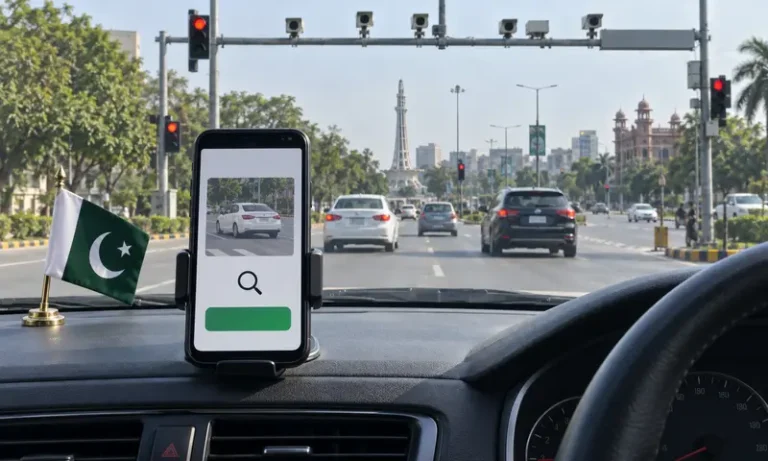
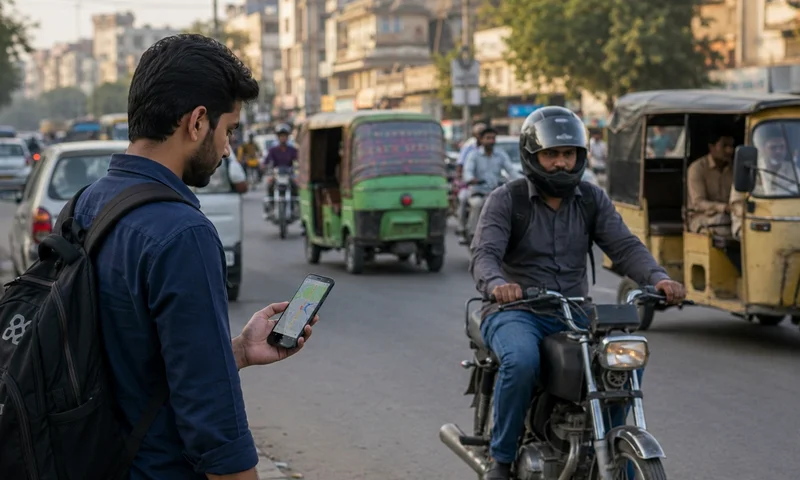
Only 5% of Pakistanis use ride-hailing services, far below the estimated global rate of about 20%, an industry executive has said.
The gap points to substantial room for growth in Pakistan’s digital mobility market. Yet poor internet access in some areas, limited digital literacy and cultural barriers continue to restrict adoption beyond major cities.
Digital food delivery remains even less common. Online platforms account for under 1% of Pakistan’s food sales, according to industry representatives who discussed the sector’s prospects during a panel session.
Pakistan offers major growth opportunity
Wael Ibrahim, inDrive’s regional director for the Middle East, described Pakistan as a market with strong business potential. He also announced that the company planned further investment in the country.
Ibrahim said ride-hailing penetration stood at only 5% in Pakistan, compared with roughly 20% worldwide. The difference makes Pakistan one of the most promising expansion markets for app-based transport companies.
Read More: From Saving Money to AI: Inside foodpanda’s New Rider Academy
inDrive currently operates in 30 Pakistani cities, giving it a broader footprint than rivals such as Yango and Bykea. The company offers city rides alongside intercity and delivery services through its app.
However, expansion into smaller cities and towns faces several obstacles. Many potential users lack the digital skills needed to book and manage rides through mobile applications. Some areas still have limited internet availability, while cultural factors can also shape whether people feel comfortable using app-based transport.
Connectivity grows but usage barriers remain
Pakistan has expanded its telecommunications network, but subscriber numbers do not automatically translate into regular use of digital services.
The Pakistan Economic Survey 2025-26 recorded 161 million broadband subscriptions by March 2026. Broadband penetration reached 64.2%, while total telecom subscriptions climbed to 207.2 million.
Despite that growth, the World Bank has identified a wide digital usage gap in Pakistan. Its 2026 analysis found a 44 percentage-point difference between men and women in internet use. It linked exclusion to affordability, lower digital literacy, safety concerns, privacy risks and social norms.
These issues help explain why transport platforms may struggle to convert network coverage into active customers, particularly among women and people outside large urban centres.
Research from Oxford Economics also indicates that pricing flexibility can improve access in emerging markets. In a 2026 study conducted with inDrive, 59% of Pakistani riders said fare negotiation allowed them to take more trips. About 54% of surveyed Pakistani drivers reported the same effect.
Food delivery reaches vulnerable families
Foodpanda Director Shariq Mustafa said digital platforms generated less than 1% of food sales in Pakistan. However, he said they still had a significant effect on the livelihoods of vulnerable families.
Read More: Why foodpanda Built a Premium Rest Space for Delivery Riders
Delivery platforms support income opportunities for riders while helping restaurants and home-based food businesses reach customers. The low share of online food sales also shows how much of the market remains offline.
Industry executives see that gap as a commercial opportunity. Wider internet availability, improved digital literacy and stronger consumer trust could determine how quickly ride-hailing and food delivery services expand across Pakistan.