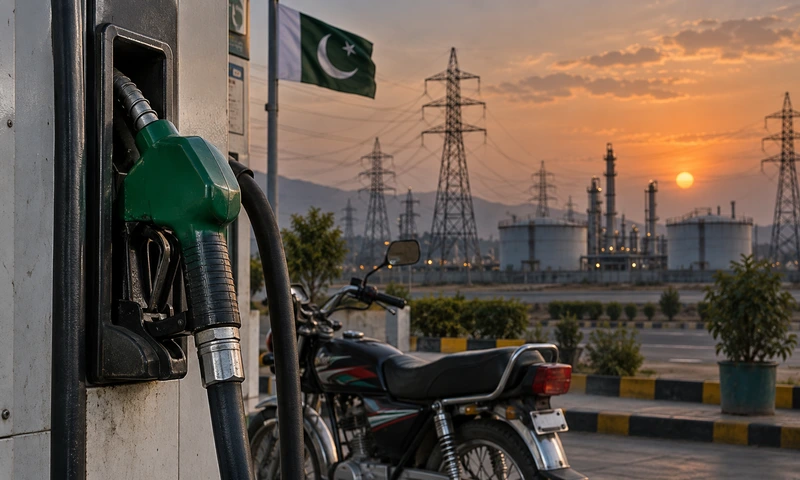
Federal ministers warned on Tuesday that disrupted Gulf shipping routes and soaring oil prices were straining Pakistan’s fuel supplies and electricity generation.
Energy Minister Awais Ahmad Khan Leghari and Climate Change Minister Musadik Malik said government planning had prevented a deeper crisis. They highlighted disruptions affecting the Strait of Hormuz and Bab el-Mandeb as major threats to energy supplies.
Malik said international crude prices had again exceeded $100 a barrel while the US-Israel war with Iran continued.
Rs100-per-litre fuel relief
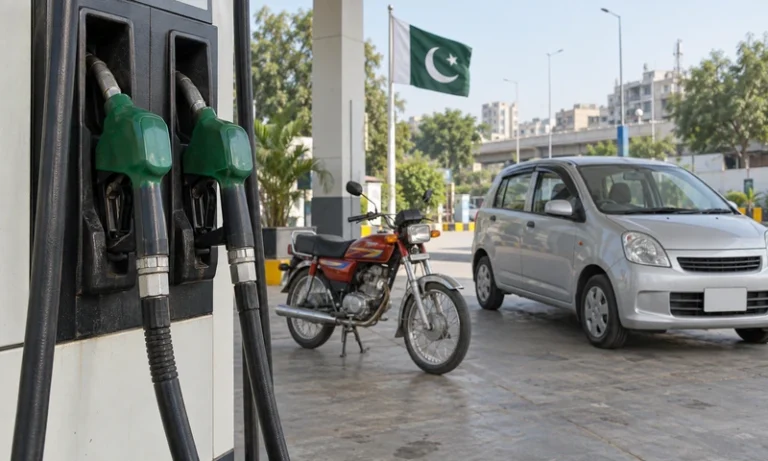
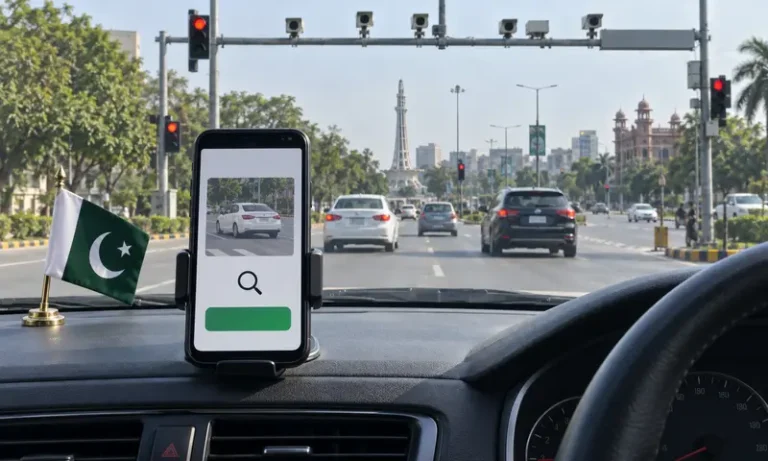
The government plans to extend the Prime Minister’s Fuel Relief Scheme nationwide at midnight between September 16 and 17, following an Islamabad pilot.
Deputy Prime Minister Ishaq Dar’s steering committee directed officials to process fuel-station payments within 24 hours. It also ordered provinces to complete district-level outreach.
Read More: What PSO Just Announced for Its 3,600 Fuel Stations
Motorcyclists would receive five subsidised litres weekly, while eligible car owners would receive 10 litres every 10 days.
Malik said the petroleum levy stood at Rs80 per litre and the carbon levy at Rs5. The scheme’s Rs100-per-litre discount exceeded their combined Rs85.
He acknowledged that the subsidy could not fully offset higher prices but called it the maximum burden the economy could absorb.
He cited delivery riders whose travel distances remained unchanged despite rising costs. Rs2,000 in relief could help households buy food, milk and eggs, he said.
A woman operating a Qingqi rickshaw could use the savings for her child’s school fee. An 800cc-car owner commuting to a factory could receive Rs3,000 monthly relief on 30 litres. His wife also used the vehicle for school trips.
Domestic energy limits electricity costs
Leghari said domestic resources supplied 72 per cent of August electricity generation, with imported coal and RLNG providing 28 per cent.
His breakdown listed hydel at 38 per cent, local coal 11, nuclear 10, local gas seven, wind six and solar one. Those individual domestic shares total 73 per cent, differing from the stated aggregate.
RLNG spot cargo prices had reached $23.25 per MMBtu, he said. Additional domestic gas, arranged on the prime minister’s instructions, helped avoid expensive purchases.
Without it, consumers would have faced another hour of loadshedding, he said. Furnace-oil or imported-RLNG generation would also have added approximately Rs10.6 billion to consumer costs.
Ministers reject lockdown speculation
Tuesday night’s increases added roughly Rs4 to petrol and Rs6 to diesel prices. Successive rises, alongside Information Minister Atta Tarar’s suggestion of renewed austerity, fuelled “smart lockdown” speculation.
Malik said no such discussions had occurred. Minister Tariq Fazal Chaudhry also rejected the reports.
Read More: SBP Introduces Rs.1 Per Litre Incentive for Digital Fuel Payments
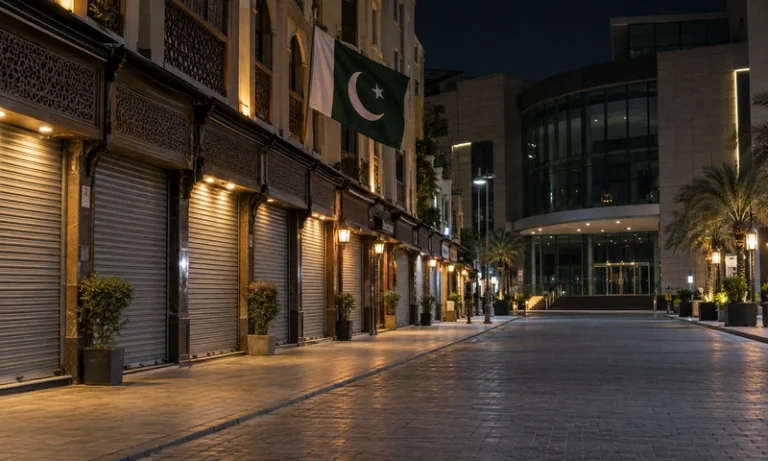
Pakistan previously introduced restrictions in April, including an 8pm closing time for shops and markets, with provincial cooperation.
Dawn separately reported that Prime Minister Shehbaz Sharif met Nawaz Sharif in Murree, citing sources who said similar measures were on the agenda. Neither the Prime Minister’s Office nor PML-N officially confirmed that account.
Radio Pakistan reported that nationwide scheme registration was available through SMS to 9771, ahead of midnight token redemption.