

Pakistan could lift its annual exports to China to about $27 billion by capturing 1% of the Chinese import market, Standard Chartered Bank Pakistan CEO Adil Salahuddin said at a media roundtable in Islamabad. He put Pakistan’s current share at about 0.1%, equivalent to roughly $2.7 billion in exports.
Salahuddin used a roughly $2.6 trillion annual import market to illustrate the opportunity. World Trade Organization data put China’s 2025 merchandise imports at $2.58 trillion. One percent of that total comes to $25.8 billion, or about $26 billion. For scale, Pakistan shipped $30.1 billion in goods to all markets in the fiscal year through June 2026, according to provisional official figures.
From beef and seafood to medical equipment
“This is the simplest formula to double our exports,” Salahuddin said. He urged Pakistani businesses to identify what Chinese consumers buy and make products that meet those demands. He singled out product quality, international certifications and competitive pricing as requirements for reaching more Chinese buyers.
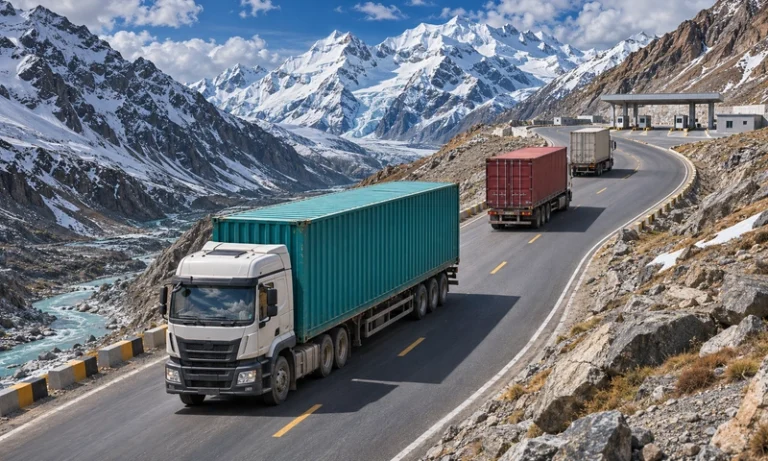
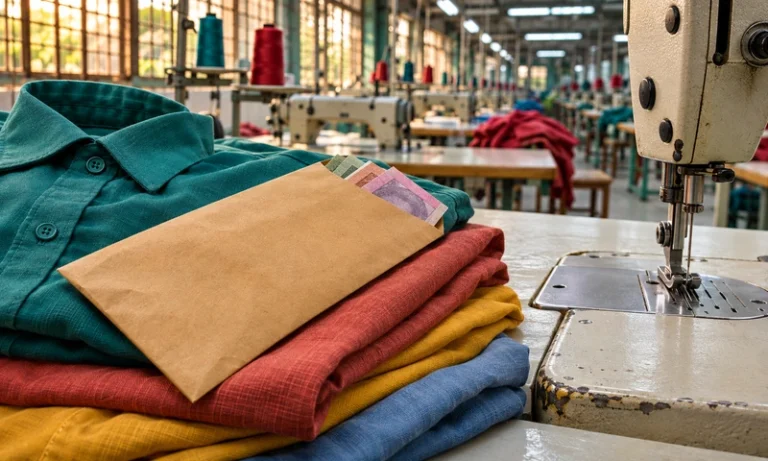
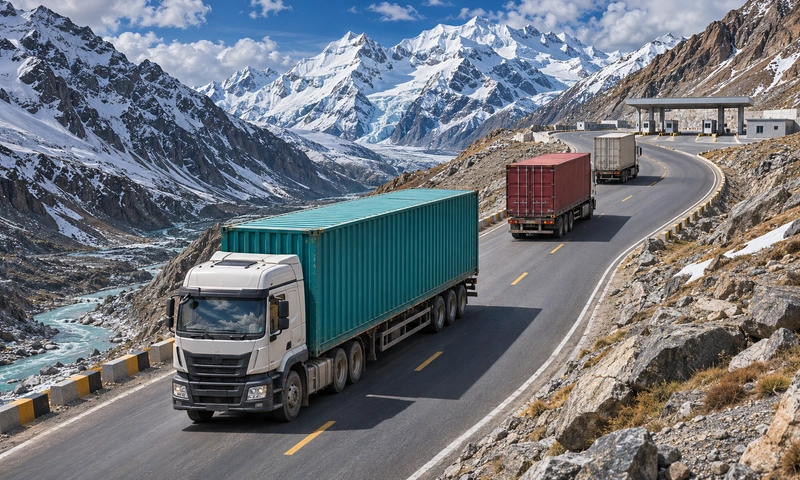
Salahuddin identified minerals and metals, meat including beef, seafood, dairy products and medical equipment as promising categories. He also pointed to opportunities for Sialkot manufacturers. Pakistan’s proximity to China and its existing trade links could help suppliers reach customers in a market with substantial import demand.
The two countries already have a framework for lowering trade barriers. The second phase of their free trade agreement took effect in January 2020. Under the deal, China agreed to immediately remove duties on 313 priority tariff lines for Pakistan. Its concessions cover products including seafood, meat, textiles, leather and some engineering goods. Salahuddin backed a review of the agreement to reflect changing demand and Pakistan’s export priorities.
Standard Chartered sees a role for joint ventures
At the same roundtable, bank executives said the next phase of the China-Pakistan Economic Corridor should give private businesses a bigger role. They pointed to joint ventures that could bring Chinese manufacturers to Pakistan, develop local suppliers and produce goods for overseas markets. Salahuddin said the bank had provided about $1 billion in financing for related business activity. He said demand was shifting toward working capital and trade finance.
Salahuddin said selling more to China could help Pakistani manufacturers expand production, hire more workers and bring in foreign exchange through trade. Higher export earnings could also reduce Pakistan’s reliance on remittances and external financing. Reaching a 1% share would mean selling roughly ten times as much to China as Pakistan does today, based on his estimate.