
Pakistan has unveiled its first four-year Hajj policy for 2027 to 2030, introducing advance registration, digital oversight and long-term contracts. The reforms aim to improve services, control costs and give intending pilgrims greater certainty.
Federal Minister for Religious Affairs Sardar Muhammad Yousuf announced the framework at a press conference on Wednesday. “This is not only a policy but the beginning of fundamental and lasting reforms in Hajj arrangements,” he said.
Advance registration and digital waiting list
Under the new system, intending pilgrims can select their preferred Hajj year in advance. They will deposit an estimated 10% of expected Hajj expenses when registering. Authorities will select applicants on a “first come, first served” basis through a transparent digital waiting list.
The government and private schemes will retain 60% and 40% of Pakistan’s quota, respectively, until 2030, unless the federal cabinet revises the division. Government packages will offer different durations, allowing pilgrims to choose according to their needs. The cabinet has also backed a Shariah-compliant savings scheme for prospective pilgrims.
Read More: New Hajj Policy Brings Major Changes for Pakistani Pilgrims
The minister said three to four-year contracts may cover accommodation, transport, catering, flights and cargo. Officials expect longer agreements to improve service quality and reduce costs. Any surplus from collected Hajj dues will return to pilgrims after operations conclude.
Private operators face performance-based oversight
Pakistan will gradually shift the government’s role from direct manager to regulator, monitor and quality assurer, while expanding private-sector participation. Independent third parties will impartially review both government and private arrangements.
Private Hajj companies will earn registration and monitoring status through performance and compliance with service standards, rather than quota allocation alone. Every operator must use the Private Hajj Management Portal for bookings, payments, monitoring and audits.
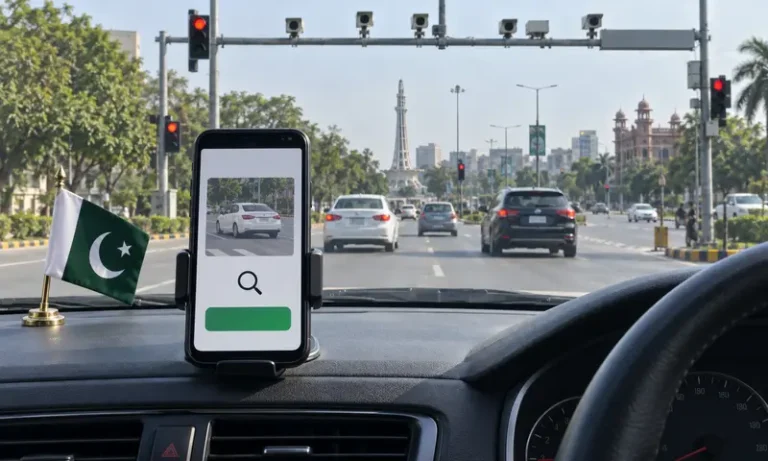
Read More: Hajj 2027 Registration Opens in Pakistan Through Pak Hajj App
The notified private policy requires digital verification through government systems and routes transactions through designated banking channels. It bars manual bookings and cash handling. Performance dashboards will track service quality, compliance and complaint resolution.
Licensed private operators must also secure at least 2,000 bookings. Those who miss the threshold face pilgrim reallocation and financial penalties.
Transparent contracts, complaints and emergency support
The government will award procurement contracts transparently under applicable rules in Pakistan and Saudi Arabia. The policy moves every stage, from registration and payments to complaint handling and post-Hajj review, onto a fully digital system.
A modern complaint mechanism, formal appeals process and stronger monitoring will support prompt grievance resolution. A cabinet committee will also develop merit-based criteria to appoint the most qualified Hajj assistants.
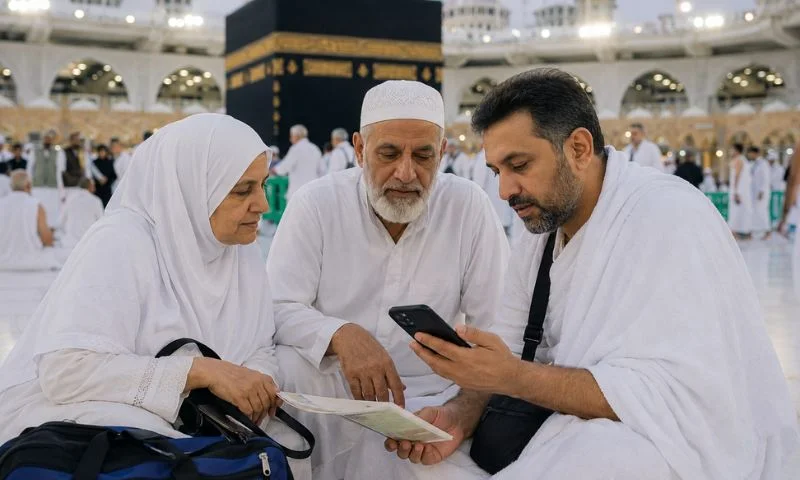
Pilgrim training will cover rituals, mobile applications, health precautions, emergency management and Saudi laws. The Hajj Protector Scheme will continue providing financial support in cases of death, accidents or emergency evacuation. Authorities will also establish an emergency management system and a dedicated response team.
Yousuf said the policy aligns Pakistan’s arrangements with Saudi Vision 2030 and international standards. The cabinet approved the framework earlier in July and allowed changes when Saudi regulations require them. Pakistan received a quota of 179,210 pilgrims for Hajj 2026, while about 250,000 people registered for Hajj 2027 within 15 days.