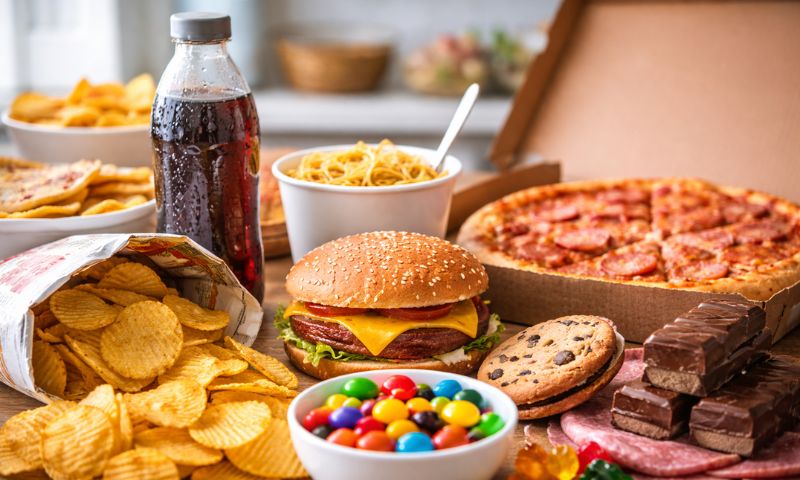
Ultra-processed foods (UPFs) are everywhere in modern diets, from packaged snacks and sugary drinks to instant noodles and ready meals. They are not simply “processed” in the everyday sense. Under the widely used NOVA system, UPFs are industrial formulations built from refined ingredients plus additives designed to boost taste, texture, and shelf-life.
So what counts as ultra-processed? NOVA’s architects say the quickest test is the ingredients list. “A practical way to identify an ultra-processed product is to check to see if its list of ingredients contains” items rarely used in home kitchens (like hydrogenated oils or hydrolysed proteins) or “classes of additives designed to make the final product palatable” (like flavours, colours, emulsifiers, sweeteners, thickeners).
The debate is now big enough that the World Health Organization is preparing global guidance. In a May 15, 2025 notice, WHO said it is “planning much needed global guidance on the consumption of ultra-processed foods” to complement its nutrition guidance for countries. WHO has since assembled a guideline development group and notes that “consumption of such highly processed or ‘ultra-processed’ foods has been associated with a myriad of negative health effects.”
Why the urgency? The evidence base keeps expanding. A major 2024 BMJ umbrella review pooled findings from 45 meta-analyses covering 9,888,373 participants. It found direct associations between UPF exposure and 32 (71%) health parameters, spanning mortality, cancer, mental health, cardiometabolic disease, and more.
Another signal comes from mortality research. A 2025 paper in the American Journal of Preventive Medicine reported a linear dose-response: each 10% increase in the share of calories from UPFs was associated with an RR of 1.03 for all-cause mortality (about a 3% rise in risk). Researchers stress these are mostly observational links, not proof of cause. Still, they align with concerns that UPFs often deliver more salt, sugar, and unhealthy fats, while displacing fibre-rich whole foods.
How to spot UPFs fast (shopping in 10 seconds)
-
Long ingredient list with many unfamiliar terms
-
Cosmetic additives (flavour enhancers, colours, emulsifiers, sweeteners)
-
Hyper-convenient format (ready-to-eat/heat; shelf-stable for long periods)
-
“Food-like” texture (puffs, bars, reconstituted meats, sweetened drinks)