The federal government collected Rs220 billion from the petroleum levy in July and August 2026. The receipts account for 13.1% of Pakistan’s annual petroleum levy target in the first two months of FY2026-27. The figures come as the government continues talks with Jamaat-e-Islami (JI) over the Rs80-per-litre levy on petrol and high-speed diesel.
Petroleum levy target rises by about Rs109 billion
The federal budget puts the full-year petroleum levy target at Rs1.6765 trillion. That is about Rs109 billion more than the Rs1.567 trillion the government collected in FY2025-26. Last year’s receipts exceeded the original Rs1.468 trillion budget estimate by Rs99 billion. The current fiscal year runs through June 30, 2027.
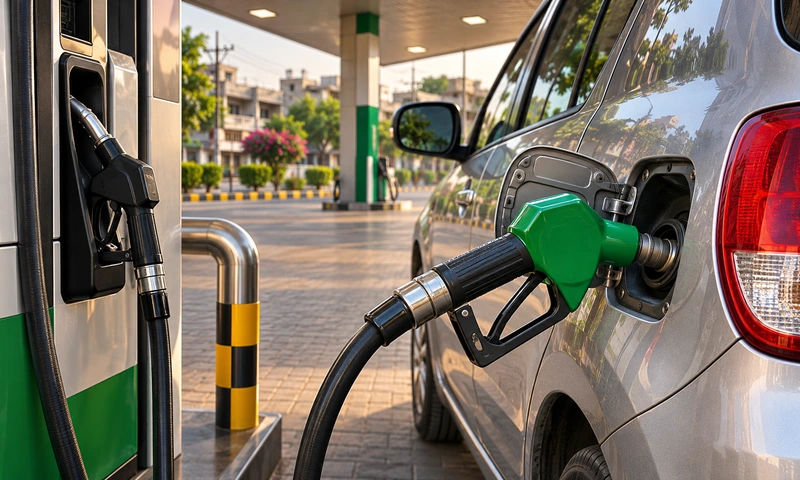
The petroleum levy is one of the federal government’s largest sources of non-tax revenue. It also makes up a substantial part of the price motorists pay at the pump. Parliament has authorised the federal government to adjust the levy without seeking fresh approval for each change.
Climate and vehicle levies bring in Rs34.7 billion
The Climate Support Levy, also known as the carbon levy, generated Rs27.5 billion in July and August, or 55% of its Rs50 billion annual target. The government collected Rs50.159 billion under that levy in the previous fiscal year.
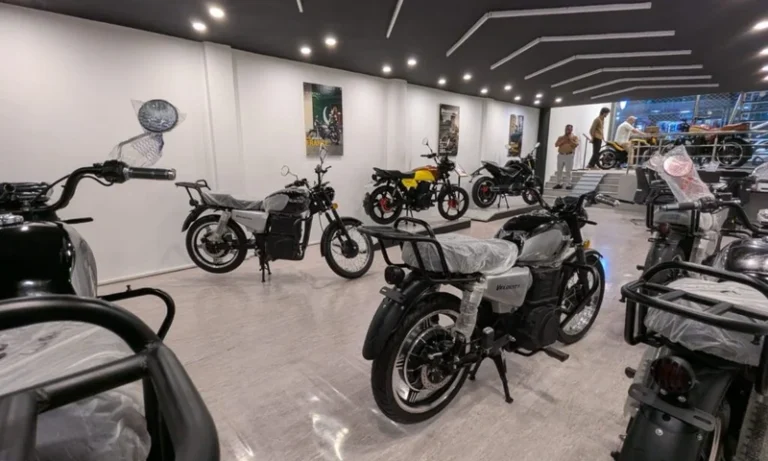
The New Energy Vehicle (NEV) Adoption Levy brought in Rs7.225 billion over the same two months. Its full-year target stands at Rs22.481 billion. Together, the petroleum levy and the two additional charges generated Rs254.725 billion in July and August.
Petrol and diesel prices fall as levy talks continue
Petrol fell by Rs3 to Rs335 per litre on November 12. High-speed diesel fell by Rs7 to Rs364 per litre. The government has yet to confirm any reduction in the Rs80-per-litre petroleum levy. Under a separate 30-day arrangement announced on November 2, oil refineries will contribute a combined Rs15 billion towards the levy. The government says that arrangement enabled a Rs14.71-per-litre reduction in the petrol price.
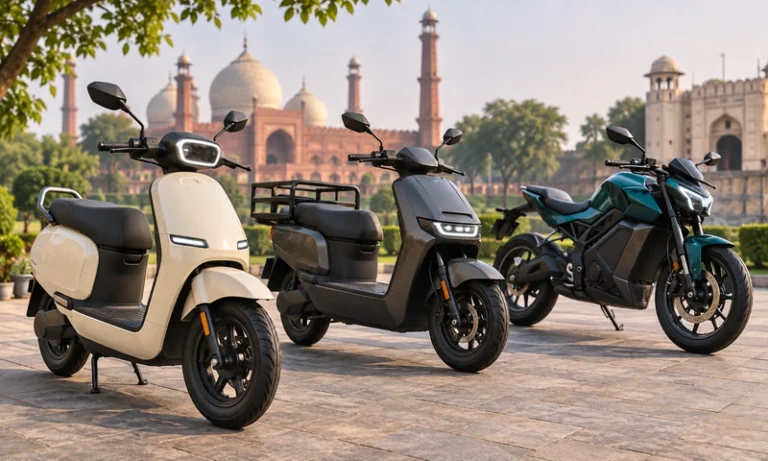
JI chief Hafiz Naeemur Rehman met Prime Minister Shehbaz Sharif in October to press for the levy’s abolition. The two sides agreed to set up a joint committee to consider expanding the existing fuel relief scheme. The scheme began on September 17 and covers owners of motorcycles, rickshaws and vehicles with engines of up to 800cc. The government and JI held another round of talks on November 11.
The FY2026-27 budget framework agreed with the International Monetary Fund under its $7 billion Extended Fund Facility leaves limited room for a substantial levy cut. A lower levy could ease pump prices if the government passes the reduction on to consumers. It would also make the annual revenue target harder to meet. The government has yet to say how it will address JI’s demand.