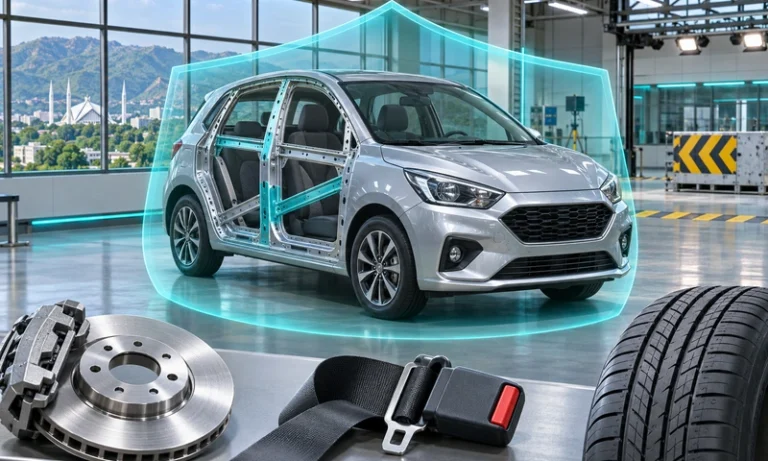

Pakistan plans to introduce 45 additional vehicle safety standards under its new auto policy, covering locally manufactured vehicles and imported used cars. The measures aim to bring vehicle safety requirements closer to international benchmarks.
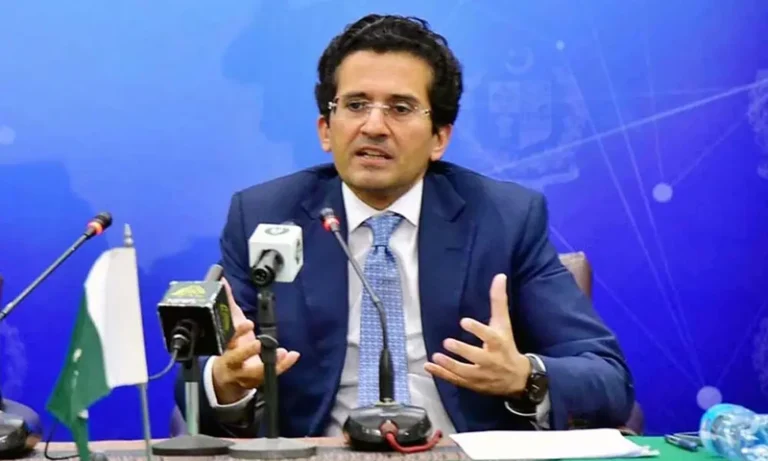
Adviser to the Prime Minister for Industries and Production Haroon Akhtar Khan announced the initiative on Saturday, November 7. He addressed a press conference alongside Information Minister Attaullah Tarar in Islamabad.
Akhtar said the government had incorporated the additional standards in accordance with the United Nations’ WP.29 framework.
“When our vehicles will go through these safety codes, they will be considered the world’s safest vehicles, both manufactured and used,” he said.
The announcement forms part of a broader automotive policy covering six priorities. These include affordable vehicles, exports, localisation, electric vehicle adoption, vehicle safety and transparency.
Safety requirements to cover used imports
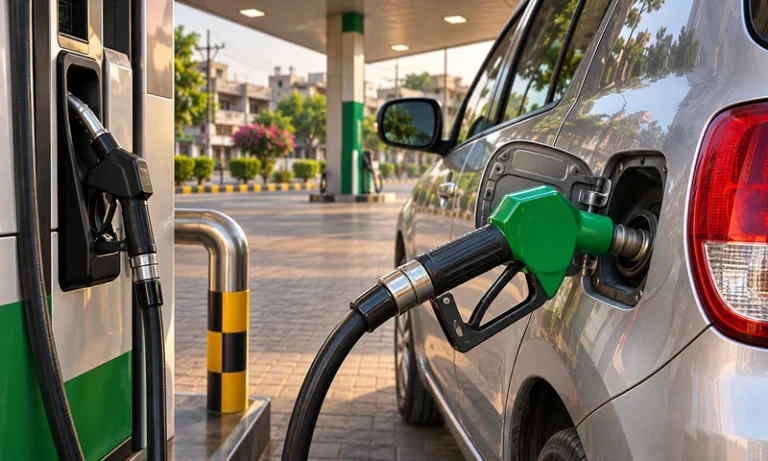
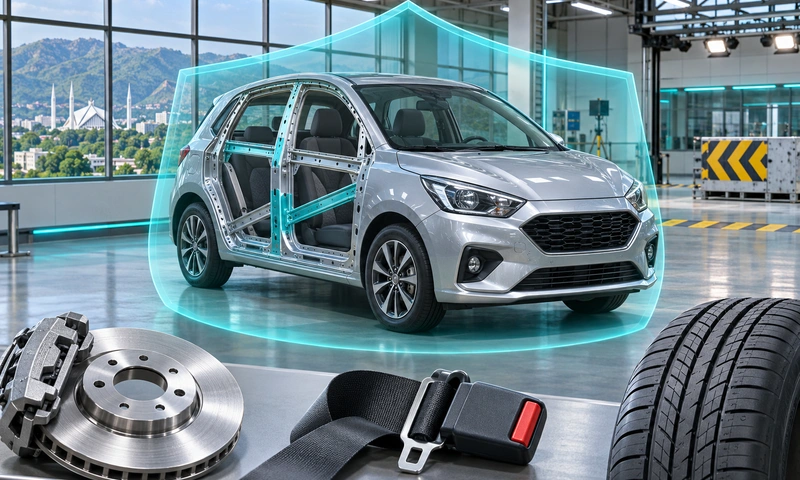
Akhtar highlighted inadequate safety standards, particularly in imported used vehicles, as a serious concern. He pointed to defective brakes, tyre failures and non-functional seat belts while explaining the need for stronger requirements.
The proposed measures would extend safety obligations across local production and used vehicle imports, rather than focusing solely on new domestic models.
However, the announcement did not provide a complete list of the 45 additional standards or a detailed implementation timetable.
Akhtar also said the government was pursuing vehicle safety legislation. According to his briefing, the relevant bill had cleared the National Assembly’s standing committee and would proceed to the House.
What the UN WP.29 framework covers
WP.29 is the World Forum for Harmonization of Vehicle Regulations, operating under the United Nations Economic Commission for Europe.
It develops harmonised technical rules for vehicles, equipment and components. Its work covers safety, environmental performance, energy efficiency and protection against theft.
Pakistan’s earlier Auto Industry Development and Export Policy 2021–26 already identified 17 UN regulations for adoption. These covered areas including brakes, steering, tyres, lighting, safety belts, seats, airbags, collision protection, glazing and mirrors.
The proposed expansion therefore builds on an existing policy commitment to international vehicle standards.
WP.29 alignment establishes technical requirements rather than a global ranking of cars. Akhtar’s description of Pakistani vehicles becoming the world’s safest represents his assessment of the proposed changes.
Policy also targets booking practices
Alongside safety, the government plans third-party audits and tighter consumer protection measures. Manufacturers would face a restriction against collecting more than 20% of a vehicle’s price upfront at booking.
Akhtar said the measure would address excessive advance payments and concerns surrounding additional booking charges, commonly known as on-money.
The wider policy also seeks greater domestic manufacturing, stronger local supplier networks and increased automobile exports.
Prime Minister Shehbaz Sharif has approved the final draft, according to the briefing. The government will now submit it to the federal cabinet for consideration and formal approval before implementation.