Sazgar Engineering Works Limited has opened its first overseas vehicle assembly plant in the Philippines, extending the Pakistani automaker’s manufacturing footprint into Southeast Asia.
Philippine President Ferdinand R. Marcos Jr. inaugurated the facility on October 29 in Biñan City, Laguna province. The plant stands in Barangay Mamplasan at the Laguna International Industrial Park.
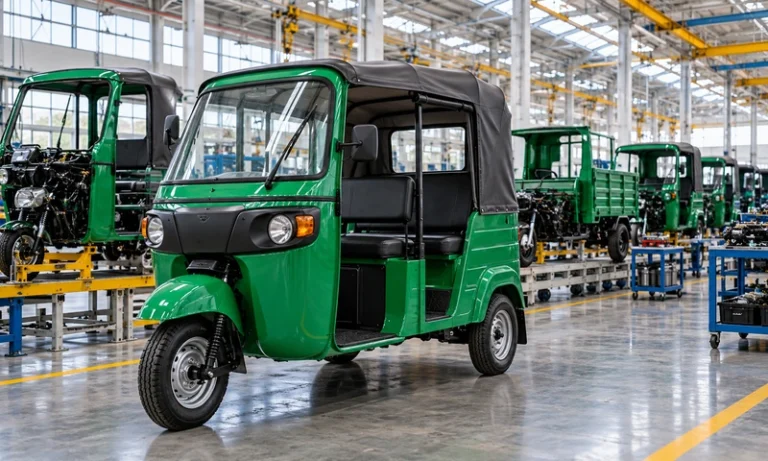
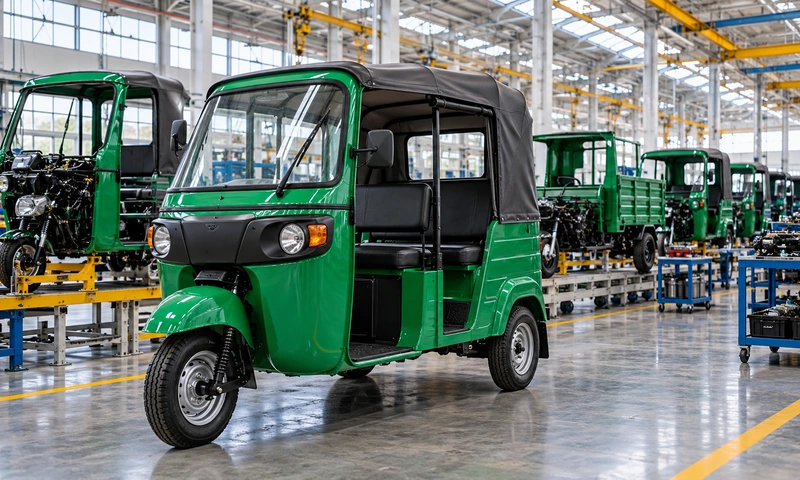
Sazgar Philippines Inc., which is 60% Filipino-owned, operates the facility. It will assemble passenger and commercial three-wheelers, including electric and petrol-powered models.
The Embassy of Pakistan in the Philippines facilitated the expansion. Pakistani Ambassador Dr. Asima Rabbani attended the event alongside Transportation Secretary Vince Dizon and Sazgar Philippines President and CEO Muhammad Fahim.
Capacity of 12,000 three-wheelers annually
The plant has an annual assembly capacity of approximately 12,000 vehicles. Electric models will account for a projected 60% of its initial production mix, with internal combustion engine vehicles comprising the remaining 40%.
The company expects the electric share to increase as market demand and the local industry develop.
Marcos said Sazgar’s electric three-wheelers could travel between 100 and 210 kilometres on a single charge, depending on battery configuration. A full charge takes six to eight hours.
He compared that range with typical tricycle journeys of around 90 kilometres daily in urban areas. Drivers in provincial areas generally cover 110 to 120 kilometres a day.
The president said electric vehicles could lower drivers’ petrol expenses and help them retain more income for their families. He also highlighted their potential to reduce dependence on imported fuel.
Local suppliers to support production
Marcos urged Sazgar to expand purchases from Philippine manufacturers as production develops. Potential locally sourced components include batteries, glass, seats, seat foam, upholstery, rubber products and lubricants.
The facility qualified under the Philippines’ Strategic Investment Priority Plan because of its contribution to local value creation.
“That is the kind of investment that we want. Not just companies that sell to Filipinos, but companies that make things with Filipinos,” Marcos said.
He linked the investment to employment, skills development and opportunities for domestic component suppliers.
Southeast Asian manufacturing hub
The Philippine operation represents Sazgar’s first manufacturing base outside Pakistan and its intended hub for Southeast Asia.
Headquartered in Lahore, Sazgar has manufactured vehicles for more than three decades. The company dates its establishment to 1991 and maintains an international presence across more than 20 countries.
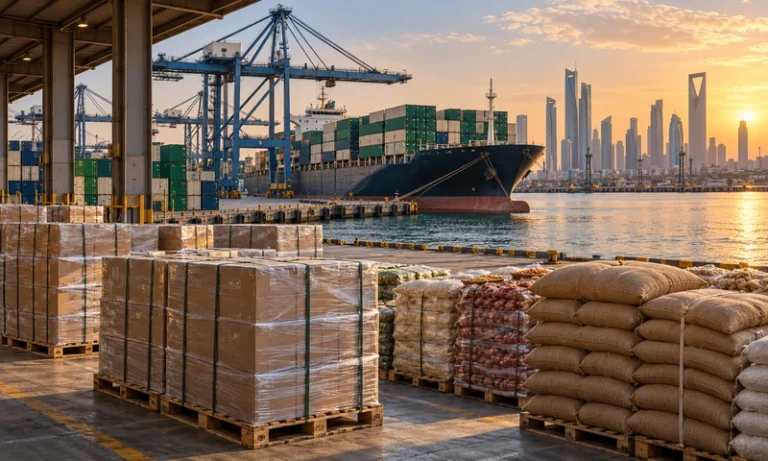
Its export markets include Japan, the United Arab Emirates, Sri Lanka and Nigeria. The new facility adds overseas assembly to its existing vehicle and automotive component exports.
The investment also comes as the Philippines pursues a 50% electric vehicle share in its vehicle fleet by 2040.
However, the plant’s stated capacity represents its assembly capability, rather than confirmed annual production or sales. Actual output will depend on orders, demand and the development of its local supply chain.