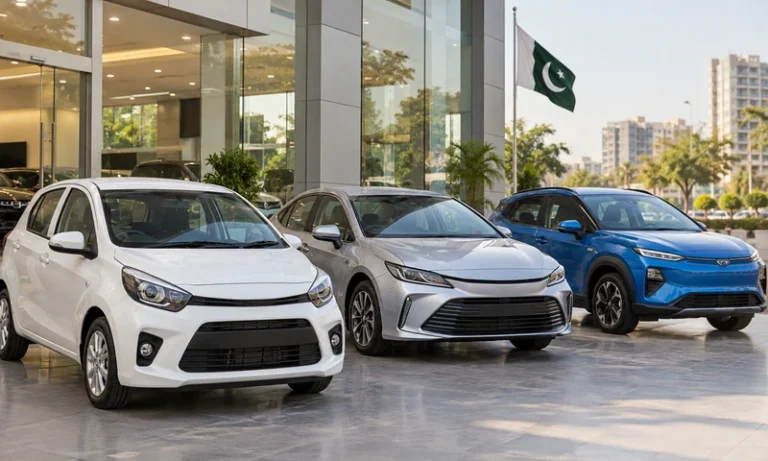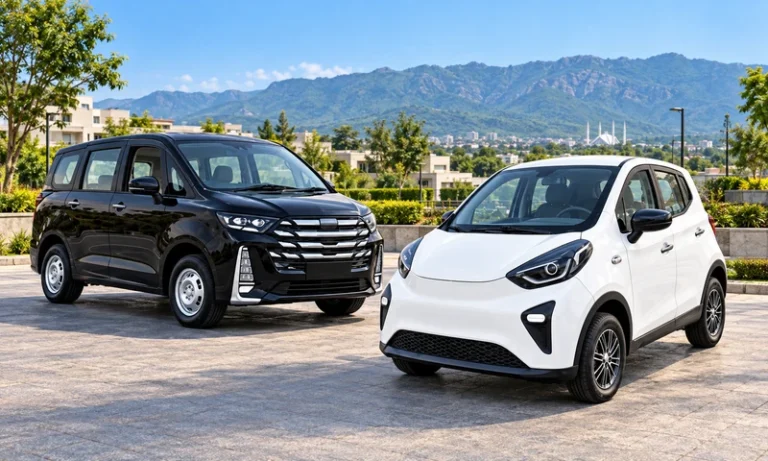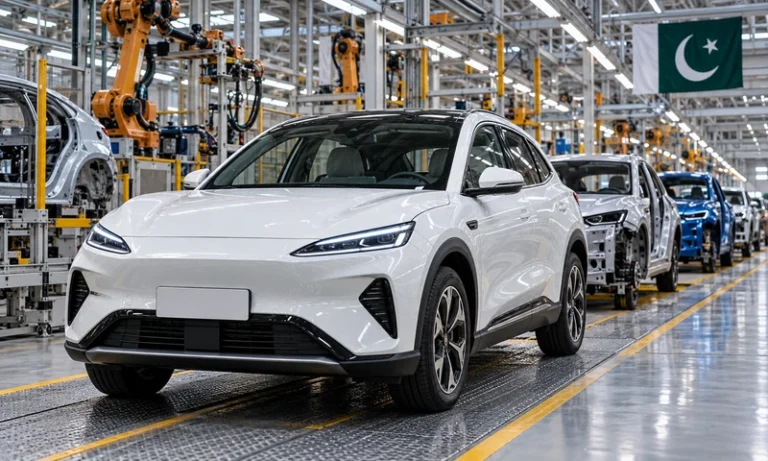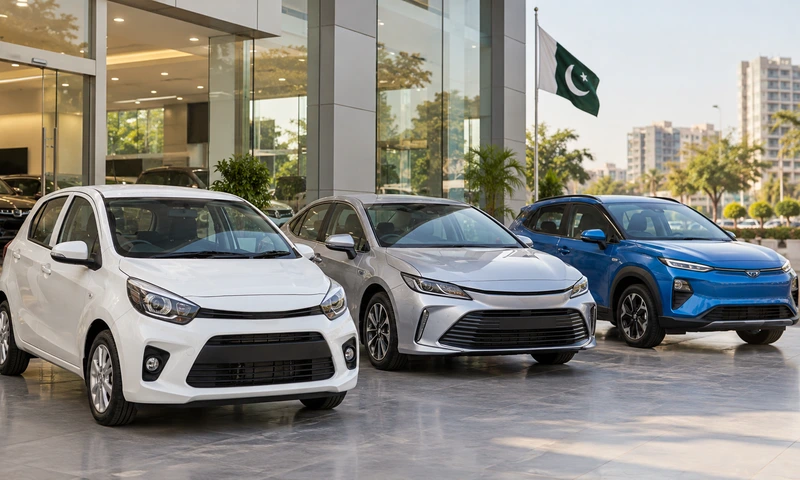
Pakistan’s proposed Auto Policy 2026-31 could lower prices across several vehicle categories, with plug-in hybrids and lower-value electric vehicles showing the largest potential reductions.
However, preliminary industry estimates suggest the benefits would vary considerably. Range-extended electric vehicles could become more expensive under the proposed tax structure.
According to the estimates reported by ProPakistani, conventional petrol cars could become approximately 8% to 10% cheaper. Hybrid electric vehicles, or HEVs, could see reductions of around 9%.
Plug-in hybrid electric vehicles, known as PHEVs, could record price cuts exceeding 20%. Battery electric vehicles, or BEVs, with import values below $15,000 could become approximately 22% cheaper.
Higher-priced BEVs could see reductions of around 8%. The $15,000 threshold refers to import value, rather than the vehicle’s final retail price in Pakistan.
In contrast, range-extended electric vehicles, or REEVs, could become approximately 3% more expensive. These projections reflect preliminary calculations, rather than confirmed price announcements from manufacturers.
Topline Securities said the latest draft retains a 1% general sales tax on BEVs. It proposes a 9% rate for PHEVs and 6% for REEVs.
An earlier draft proposed a uniform 1% GST across all new energy vehicles. The previous policy applied rates ranging from 8.5% to 12.75% to PHEVs.
The revisions therefore create different tax treatment within the new energy vehicle category. Buyers should also distinguish proposed sales tax rates from projected retail price changes, which reflect the wider policy package.
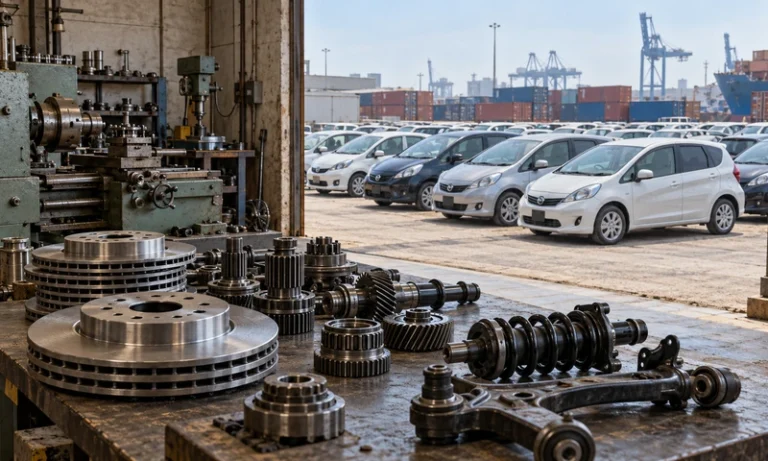
The government additionally plans to reduce tariffs on localised completely knocked-down parts from 25% to 15% by fiscal year 2031. These duties apply to imported components in categories that Pakistan also produces locally.
Topline warned that lower tariffs could hurt domestic auto-parts manufacturers. However, stronger competition could encourage vehicle assemblers to pass savings on to consumers.
Local suppliers have already raised concerns about the direction of tariff reforms. In August, the Pakistan Association of Automotive Parts and Accessories Manufacturers sought higher duties on imported vehicles and localised parts.
Business Recorder reported that the association also favoured minimal or zero duties on raw materials. It argued that the tariff structure should support localisation, investment, employment and export competitiveness.
Separately, the Pakistan Automotive Manufacturers Association requested consultation on the draft before finalisation, according to an October 2 report.
PAMA supported expanding exports but urged the government to prioritise incentives and a predictable policy framework. It warned against punitive measures linked to export targets.
Meanwhile, expectations of cheaper vehicles could affect sales before any revised prices take effect. Prospective buyers may delay purchases while waiting for clarity on taxes and manufacturers’ pricing decisions.
Such delays could slow demand and complicate inventory planning for automakers holding existing stock.
For consumers, the estimates indicate possible savings rather than guaranteed discounts. Final prices will depend on the implemented policy and how much of any cost reduction manufacturers pass through.